
Last updated October 17, 2026
 Metal roofing
 Architectural shingles
 Tile roofing
 GAF
GAF Owens Corning
 Flat & low-slope
Free roof inspection with deck photos before we talk money - GAF and Owens Corning certified installation
Roofing Company Maintenance Checklist for San Jose Homeowners
San Jose averages roughly 15 inches of rain per year, but about 80% of it falls inside a 90-day window from November through February. That compression is what makes roof maintenance in this city different from almost anywhere else in the country. A loose tile in August is an annoyance. That same loose tile on the first day of an atmospheric river is a water intrusion event that can run into five figures by the time drywall, insulation, and flooring get involved. This guide walks through the month-by-month maintenance calendar that actually fits San Jose’s weather patterns, plus the inspection points that matter for the roof types common here.
Styles & brands we work with
Quick Answer
A San Jose roof maintenance checklist should be organized by season, not by generic spring/fall advice: October is the critical month for pre-storm inspection and gutter work, June through September are for heat-related checks on flashing, sealant, and attic ventilation, and January through March are for post-storm damage walks and documentation. The five non-negotiable tasks every San Jose homeowner should perform are: clean and size gutters before November, inspect roof penetrations for dried sealant in late spring, document the roof with photos before each storm season, walk the roof line after any wind event over 35 mph, and have a contractor verify flashing and underlayment condition at least once every two years.
Table of Contents
- The San Jose Weather Calendar: Why Timing Is Everything
- Month-by-Month Maintenance Checklist for San Jose
- Spanish Tile vs. Flat TPO: Different Inspection Points
- Documenting Your Roof for Insurance Before Storm Season
- Gutter and Downspout Capacity Math for San Jose Storms
- Maintenance Tasks That Can Void Manufacturer Warranties
- Common Mistakes to Avoid
- When to Call a Professional
- Frequently Asked Questions
- The Bottom Line
The San Jose Weather Calendar: Why Timing Is Everything
Most maintenance checklists you find online were written for a generic four-season climate. They tell you to check your roof in spring and fall and leave it at that. San Jose doesn’t work that way. We have a Mediterranean climate with a wet season and a dry season, and the transition between them is sharp. The first significant Pacific low-pressure system usually arrives in late October or early November. By the time it gets here, whatever was wrong with your roof in September is now actively letting water in.
The other weather force most generic checklists ignore is Diablo wind. Diablo winds are the offshore wind events that blow from the northeast, usually in September and October, sometimes into November. They’re hot, dry, and gusty, frequently reaching 35 to 60 mph in the hills and foothills around San Jose. These winds don’t push rain against your roof, but they do lift tiles, tear loose flashing, and blow leaf litter into gutters at scale. The valley oaks, sycamores, and liquidambars across neighborhoods like Willow Glen, Rose Garden, and Almaden Valley drop leaves from October through December. A gutter that’s half full after a Diablo event becomes a fully clogged gutter after the next leaf drop, and then the first real rain arrives.
The heat is the third piece. San Jose routinely sees multiple days above 95°F between June and September. Attic temperatures on those days can hit 140°F. That sustained heat dries out sealant around vent pipes, skylights, and HVAC penetrations faster than most homeowners expect. By late August, sealant that was pliable in May can be cracked and pulling away. That’s a leak waiting for the first winter rain, not a problem that announces itself in summer.
Month-by-Month Maintenance Checklist for San Jose
The work that matters in October is completely different from what matters in June. Here is the calendar we actually use when we evaluate roofs in San Jose.
January: Post-Storm Inspection Walk
Atmospheric river events typically arrive back-to-back between December and February. Between those events, get eyes on the roof line from the ground. Look for shifted tiles, lifted ridge caps, or gutter sections that pulled away from the fascia. Check ceilings under known problem areas for water staining, especially the rooms below roof valleys and around chimneys. A stain that appeared after one storm will usually grow after the next. Call a Roof Inspection in San Jose if you see anything that doesn’t look right. We’ve walked onto roofs in January where a single shifted tile from a December wind event had been channeling water into the decking for weeks.
February-March: Dry-Spell Repairs and Full Documentation
San Jose usually gets a break between storm systems in late February or early March. That’s the window to fix anything January revealed. It’s also the time to photograph the entire roof: north, south, east, and west slopes, close-ups of flashings, and any areas you already flagged. Keep those photos in a dated folder. They become your baseline for storm-season insurance claims. For more on documentation and other topics, see our more guides & resources.
April-May: Post-Rain Gutter Cleanout and Sealant Check
Once the last rain has passed, get gutters cleaned out completely. The debris that winter rains carried off the valley oaks into your gutters will sit there and harden over summer. Decomposing leaf material holds moisture against the gutter seams and speeds up rust on steel gutters, and it creates standing water that breeds mosquitoes in warm spring weather. Then do a sealant check around every roof penetration: vent pipes, plumbing stacks, skylight curbs, attic fans, and HVAC stands. If the sealant is cracked or pulling away from the metal, it should be removed and re-done correctly, not smeared over.
June-July: Heat and Ventilation Verification
The real summer work in San Jose is about keeping attic heat under control. Check that attic vents are open and not blocked by bird nests, rodent debris, or blown-in insulation. Walk the roof line and look for lifted shingles or cracked tiles that heat expansion can worsen. On flat roofs, especially TPO or modified bitumen, check for areas where the membrane looks chalky or cracked. San Jose summer UV exposure is brutal on flat roof membranes, and failure usually starts as surface oxidation you can see before it becomes a leak.
August-Early September: Diablo Wind Preparation
Late August is the time to walk the yard and look for anything that can become airborne in a Diablo event. Tree branches within six feet of the roof should be trimmed back. Furniture, tools, and yard clutter get secured. Then check that all roof-mounted equipment is fastened: HVAC units on stands, satellite dishes, solar panel racking. We’ve seen a 50 mph gust lift a poorly secured satellite dish and drag its mount across a composition shingle roof, wiping out a 10-foot swath of shingles. That’s preventable.
October: The Critical Pre-Storm Inspection
This is the most important month on the San Jose calendar. Before the first Pacific storm arrives, the following tasks should be complete:
- Clean gutters and downspouts. Flush downspouts with a hose and confirm water exits at grade, not behind the gutter or against the foundation.
- Inspect flashing at chimneys, skylights, and sidewalls. Look for cracked sealant, rust, or lifted metal.
- Check ridges and hips for cracked or loose tiles. One displaced tile at a ridge lets wind-driven rain straight into the roof system.
- Verify downspouts are directing water at least three feet from the foundation. San Jose’s clay soil expands when saturated, and repeated winter saturation against a foundation can cause cracking.
- Examine the attic for dark stains on the underside of the decking, which indicate water has already found a way in during previous seasons.
If the idea of doing this yourself feels like too much, schedule a professional inspection in the first two weeks of October. Waiting until November means you’re competing for a roofer’s time with every other homeowner in San Jose who just discovered a leak. At Brennan Roofing, the roofing company San Jose homeowners call for pre-storm checks, October inspections fill fast. The earlier the better.
Spanish Tile vs. Flat TPO: Different Inspection Points
San Jose has two dominant roof styles that behave nothing alike under stress. The Spanish tile found on older and mid-century homes in Willow Glen, Rose Garden, Naglee Park, and parts of Campbell requires a completely different inspection protocol than the flat TPO or modified bitumen roofs common on Eichler-style and contemporary homes, especially on the west side and in newer construction.
Spanish Tile Roof: Five Inspection Points That Matter
Tile is a roof covering, not a waterproofing system. The actual water barrier on a Spanish tile roof is the underlayment beneath the tile. That’s the single most important concept for San Jose homeowners with tile roofs to understand.
- Broken or slipped tiles at hips and ridges. These are the first tiles to move in Diablo winds. Ridge tiles are not interlocked the way field tiles are, and they sit at the highest wind exposure point.
- Underlayment condition at eaves. Where the tile overhangs the gutter, the underlayment is visible from a ladder. Cracked, brittle, or missing underlayment at the eave line means the waterproofing layer is failing even if every tile looks fine.
- Failed mortar at ridge and hip lines. Older San Jose tile roofs used mortar or cement to bed ridge and hip tiles. When that mortar crumbles, the tile shifts and opens a direct path for water.
- Tile slippage in roof valleys. Debris accumulates in valleys, holds water longer than any other roof area, and in heavy storms valleys carry more water volume than any other part of the roof.
- Fascia board and rafter tail condition. On San Jose’s older homes, fascia and rafter tails at the eaves are often original, unsealed, or unpainted. When a tile roof leaks at the eave, water travels down inside the wall and rots those structural members behind the gutter.
Flat TPO Roof: Five Inspection Points That Matter
Flat roofs do not shed water like pitched roofs. They hold it until it drains. The inspection focus shifts accordingly.
- Ponding water more than 48 hours after rain. A properly installed flat roof drains fast. Standing water accelerates membrane deterioration at a rate most homeowners don’t appreciate. This is a design or drainage problem, not something to accept as normal.
- Seam integrity on the TPO membrane. TPO is heat-welded at the seams. A seam that was welded too hot or too cold will fail over time. Look for lifting, bubbling, or visible separation at any seam edge.
- Flashing at parapet walls and roof edges. San Jose’s flat roof buildings often have parapet walls with metal cap flashing. If the cap is loose or the sealant at the transition is cracked, wind-driven rain gets behind the membrane.
- Condition of roof drains and scuppers. A single clogged drain on a flat roof converts the entire roof into a retention pond during a 1-inch-per-hour San Jose storm. Every drain needs to be clear before October.
- HVAC unit stand penetrations. Flat roofs in San Jose almost always host rooftop HVAC units on metal stands or curbs. The penetrations where those stands bolt through the membrane are high-risk sealant points, especially after a summer of heat cycling.
Documenting Your Roof for Insurance Before Storm Season
Insurance adjusters process hundreds of roof claims in San Jose after a major storm. The homeowners who get claims approved quickly are the ones who can prove what the roof looked like before the storm hit. If you wait until after damage occurs to start photographing, you’re documenting the damage, not the change in condition.
What matters is not just having photos. It’s having the right photos with the right information attached.
- Photograph each roof slope from at least two angles. Flat, straight-on shots don’t show the texture of tile, shingle, or membrane. Angle matters.
- Include close-ups of all roof penetrations. Chimneys, skylights, vents, HVAC stands, and pipe boots. These are the most common failure points in wind and rain events.
- Photograph gutters and downspouts before cleaning. This proves the debris that clogged them during the storm arrived during the storm, not from a year of neglect.
- Capture the attic decking underside. Every leak shows up here first. Dated photos of clean, un-stained decking are powerful evidence in a dispute.
- Embed the date in the file metadata, and also write it in the file name. Insurers look at metadata, but assumptions get made when metadata is missing or edited. A file named “roof_north_slope_2025_10_02.jpg” defeats that argument.
We tell every homeowner we work with to keep a simple folder, digital or physical, with dated photos, receipts from any maintenance or repair work, and a one-page log of what was inspected and when. That log exists so that when the adjuster asks when the roof was last inspected, the answer is a date and a photo, not a memory.
Gutter and Downspout Capacity Math for San Jose Storms
San Jose’s building standards assume a design rainfall of about 1 inch per hour for roof drainage. That is a meaningful number, because a 1-inch-per-hour storm is exactly what a strong Pacific front delivers, and most residential gutters in San Jose are sized for a tenth of that water volume.
A standard 5-inch K-style gutter in good condition with properly spaced hangers can carry roughly 1.1 gallons per minute per linear foot before it overflows under real-world conditions. That sounds like a lot, but the math changes fast. A 1,500-square-foot roof catchment area in a 1-inch-per-hour storm is delivering water at about 15.6 gallons per minute across its total area, or roughly 0.78 gallons per minute per foot of gutter on a 40-foot run. That gets a 5-inch gutter close to its capacity before you account for any leaf debris, any slope imperfection, any corner seam, or any short downspout run. Add one season of valley oak leaves and you’re over.
The weak point in almost every San Jose gutter system is downspout quantity and placement. A 2×3-inch downspout can handle about 20 gallons per minute under ideal conditions. A 3×4-inch downspout handles roughly double. But one downspout per 40 feet of gutter is common, and on a 1-inch-per-hour storm that’s borderline. The right check before October is simple: count linear feet of gutter, count downspouts, and know that in San Jose’s heaviest winter rains, your gutters should be capable of carrying more water than the roof can deliver. If you’ve cleaned them and they still overflow in a moderate storm, the system is undersized. That’s a gutter capacity problem, not a maintenance problem, and no amount of cleaning fixes the math.
Maintenance Tasks That Can Void Manufacturer Warranties
Every shingle and membrane manufacturer we install, including GAF, CertainTeed, Owens Corning, IKO, Atlas, and Tamko, publishes a written warranty. Those warranties contain specific language about maintenance and who may perform it. A detail most checklists never mention is that some maintenance tasks, done by an unlicensed party or done incorrectly, can give the manufacturer a reason to reject a future claim.
- Power washing a composition shingle roof. The granule layer on an asphalt shingle is the UV protection and the fire resistance. A pressure washer strips granules off the mat. Owens Corning and GAF both state that high-pressure washing can void the warranty. Shingle roofs should be cleaned with a low-pressure rinse and specialized cleaner, if cleaned at all.
- Applying sealant or “roof coating” products to a shingle or tile roof. Coatings trap moisture in the roof system and prevent the roof from drying out. Most shingle warranties exclude damage caused by non-manufacturer coatings.
- Walking a tile roof without load distribution and breaking tiles. Broken tiles from foot traffic are not a manufacturer defect. The warranty covers defects in the tile, not impact damage. If a repair crew walks your tile roof without tile steps or crawl boards, the homeowner inherits the broken tile liability.
- Replacing flashing with an unapproved material. Some warranties specify compatible flashing materials. Using the wrong metal or a non-standard sealant at a flashing junction can give the manufacturer grounds to deny a related leak claim.
- Failing to maintain adequate ventilation. Shingle warranties from most major manufacturers are voided if the attic ventilation at the time of installation did not meet minimum requirements. Poor ventilation that overheats shingles is typically excluded. This matters in San Jose, where summer attic temperatures routinely exceed 130°F.
The point is not that you should never touch your roof. It’s that you should read your warranty and know which tasks are safe for a homeowner and which ones should only be done by a licensed contractor who understands the manufacturer’s specifications. When in doubt, ask the manufacturer directly or work with a Roofing Company that will show you the relevant warranty language.
Common Mistakes to Avoid
- Cleaning gutters in November. By the time the first heavy rain arrives, gutters need to be clear already. October is the month to do it in San Jose. November is too late.
- Ignoring a small leak because it only appears during heavy storms. A leak that only shows up during atmospheric rivers is still a leak. Water that enters once is already in the decking and insulation. It does not dry out harmlessly.
- Treating a flat roof like a pitched roof. Flat roofs need drainage clearing and ponding checks, not tile inspections. Applying sloped-roof logic to a flat roof misses the most common failure modes.
- Skipping the attic inspection. The attic is where virtually every roof leak announces itself first. A homeowner who only looks at the roof from street level is checking the surface, not the system.
- Painting over a water stain without finding the source. A ceiling stain that gets painted over is a hidden moisture problem. Mold grows behind that paint in a San Jose winter before the stain reappears. Find the source first.
- Assuming a new roof means no maintenance. Even a roof installed last year has sealant points, gutter systems, and penetrations that need annual checks. The first five years of any roof’s life are when installation errors reveal themselves.
When to Call a Professional
Some maintenance tasks are genuinely homeowner-friendly. Cleaning gutters, checking for visible tile shift from the ground, and photographing the roof line are all things a homeowner can do safely. But the moment the work involves getting on a ladder with tools, walking on tiles, or touching sealant or membrane, the risk equation changes. If you see a water stain on a ceiling that you cannot trace to a specific source, a cracked ridge tile after a wind event, or ponding water on a flat roof, that’s a professional call. Same for any attic inspection that reveals dark streaks on decking. None of those are situations where a DIY fix is a good idea. Brennan Roofing Co San Jose offers roof repair in San Jose with a written price before any work starts. You can reach us at (669) 238-2101 for a free estimate.
Frequently Asked Questions
Most San Jose homeowners spend between $150 and $400 per year on routine roof maintenance: gutter cleaning, sealant touch-ups, and a visual inspection. For a detailed look at what drives these numbers, see our Roofing Cost Breakdown: The San Jose Homeowner’s Reference for 2026. If a contractor finds damage during that maintenance visit, repair costs run higher, typically $250 to $800 for minor flashing or tile work. A full professional roof inspection in San Jose usually costs $200 to $450. Call (669) 238-2101 for an exact quote on your roof.
At minimum, once every two years. In practice, San Jose homeowners with older tile roofs or flat roofs should have an inspection annually, ideally in early October before storm season. Homes under 10 years old can usually go to the two-year interval. If a major wind event occurs, schedule a visual check with a contractor even if you don’t see damage from the ground.
Yes. San Jose’s wind patterns blow leaf debris from valley oaks and sycamores across entire neighborhoods, not just into the yards of homes with trees. Add to that the fine grit that wind carries, plus granules from aging shingles if you have a composition roof, and even relatively treeless streets produce clogged gutters by January. The check takes 20 minutes once a year in October.
Spring and early fall. The dry season from May through October gives roofing crews the longest run of dry days, and material temperatures are more stable in the shoulder seasons. October is workable but the window narrows as the first storms approach. Summer is possible but extreme attic heat makes shingle work physically harder and slows sealant curing times. Call (669) 238-2101 to discuss timing for your specific roof.
Insurance covers sudden and accidental damage, not maintenance. A roof that leaks because sealant was never replaced is a maintenance failure and typically not covered. A roof damaged by a named wind event or storm is often covered, subject to your deductible and policy terms. Proper documentation before storm season is the smartest way to protect a future claim.
Yes. We work with San Jose homeowners to set up a maintenance plan that matches their roof type, age, and tree cover. We provide the written inspection report and the photo documentation, and we’ll tell you exactly what needs to happen each season, in the right order for the San Jose climate. Call (669) 238-2101 to get started with a free estimate.
The Bottom Line
Roof maintenance in San Jose is a calendar problem. Do the right task at the wrong time and you’ve still got a leak when the storms arrive. October is the month that matters most: gutters clear, flashing sound, drainage tested, and documentation in place before the first Pacific event. From June through September, heat and UV are the adversary; from November through February, it’s wind-driven rain and back-to-back storm systems. Homeowners who calendar these tasks to San Jose’s actual weather keep small repairs at $250 instead of finding out in January that the bill is $12,000. If you want a professional set of eyes on your roof before the next season turns, call us at (669) 238-2101 and we’ll have someone out.
Written by Travis Oakley, Owner at Brennan Roofing Co San Jose, serving San Jose since 2000.
See the difference
 Before
 After
After Before
 After
After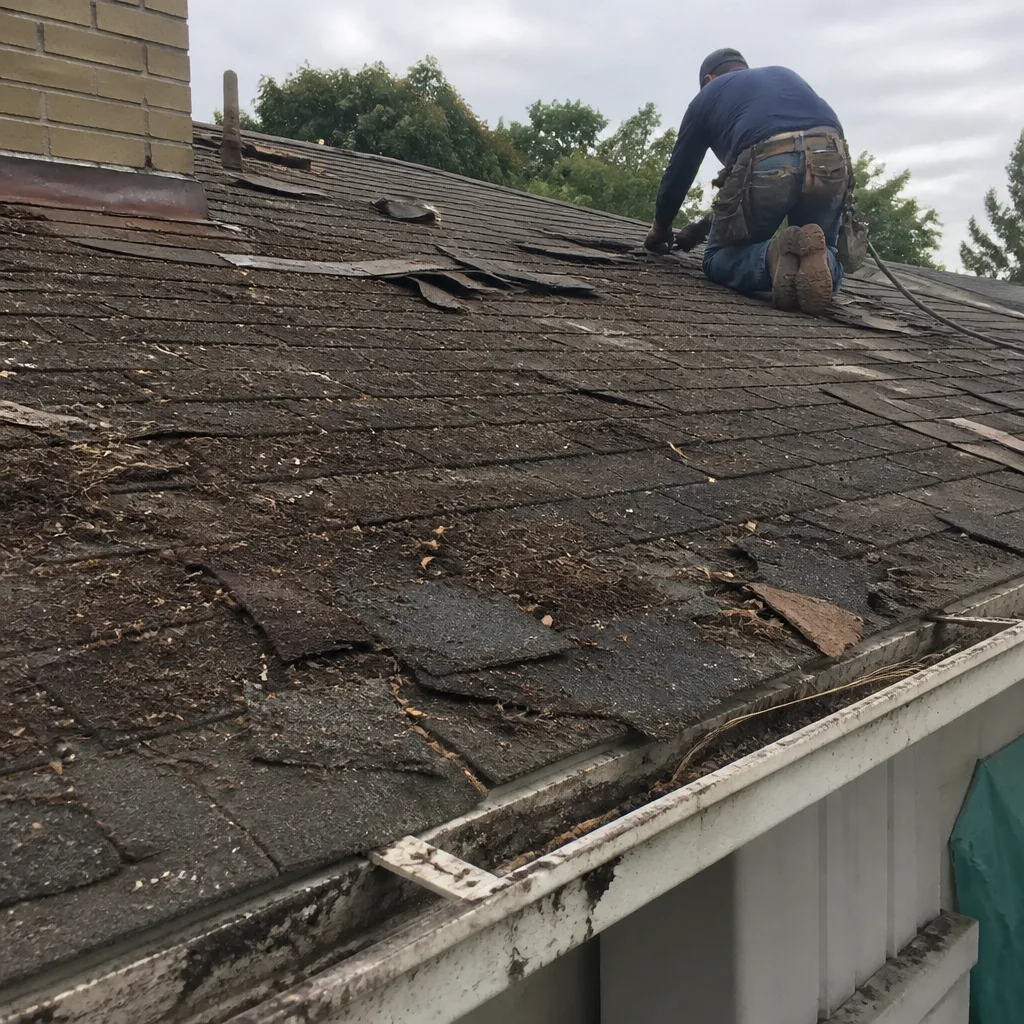 Before
 After
After