
Last updated October 17, 2026
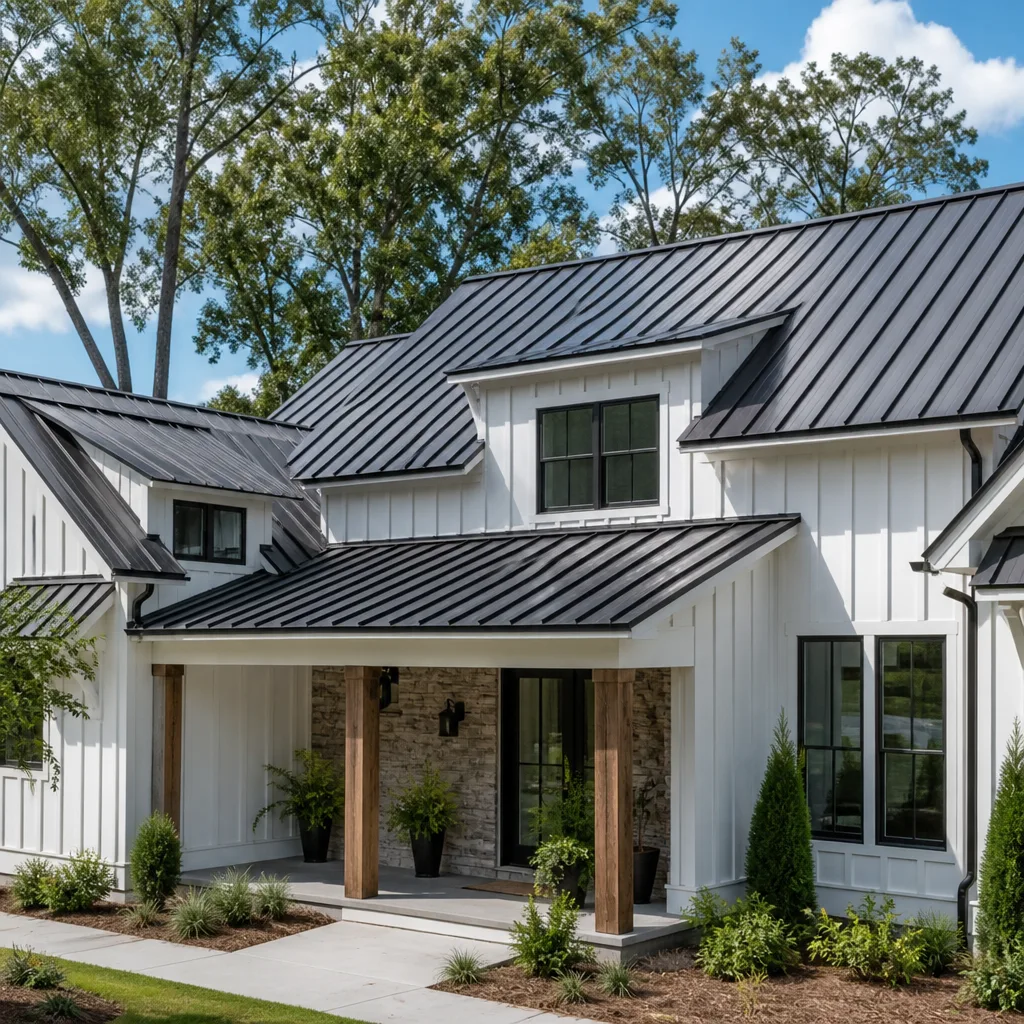 Metal roofing
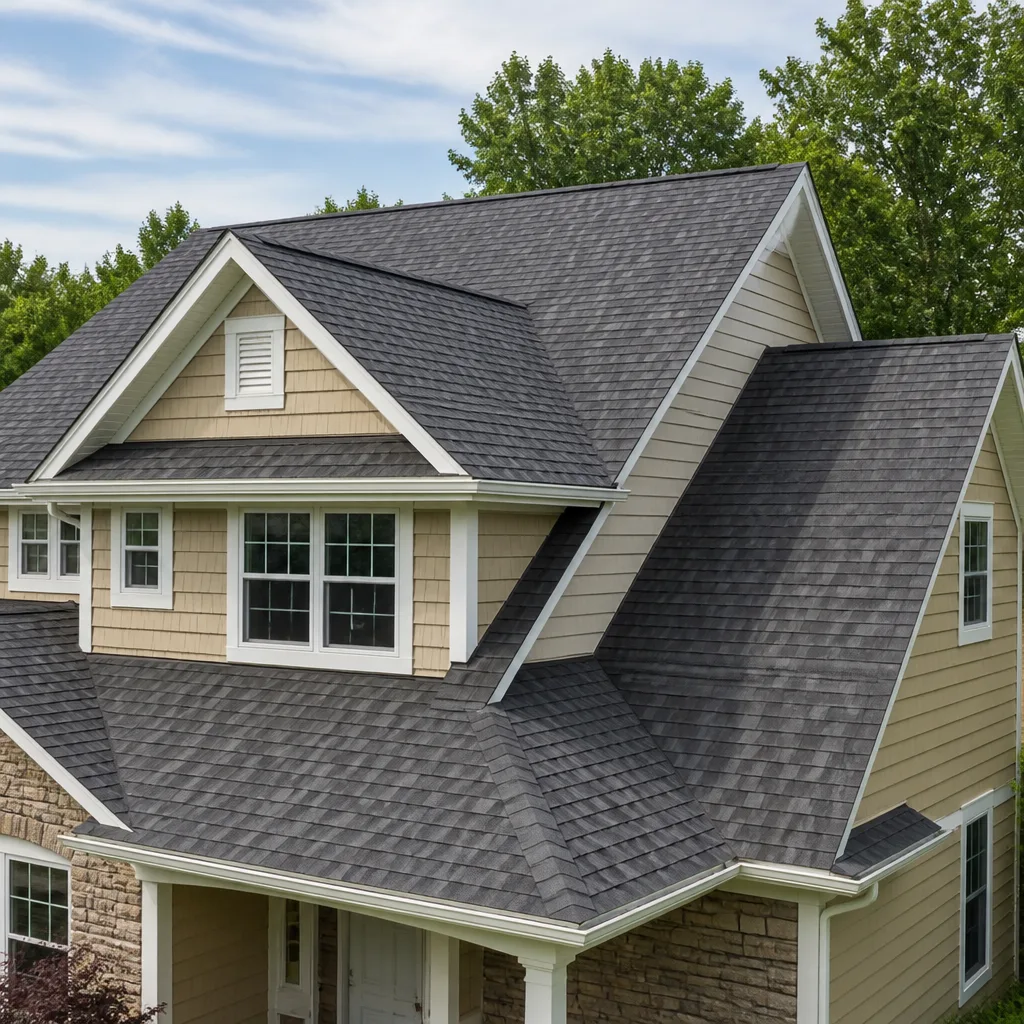 Architectural shingles
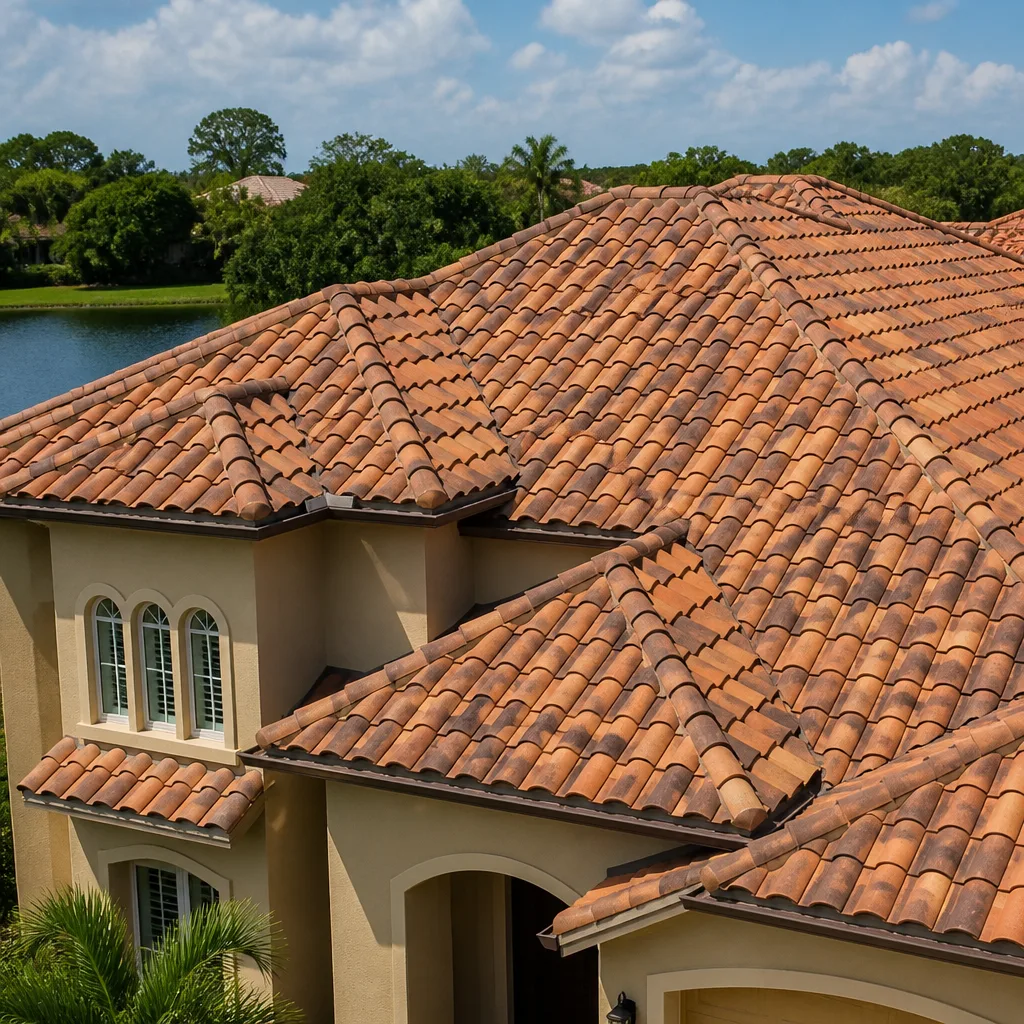 Tile roofing
 GAF
GAF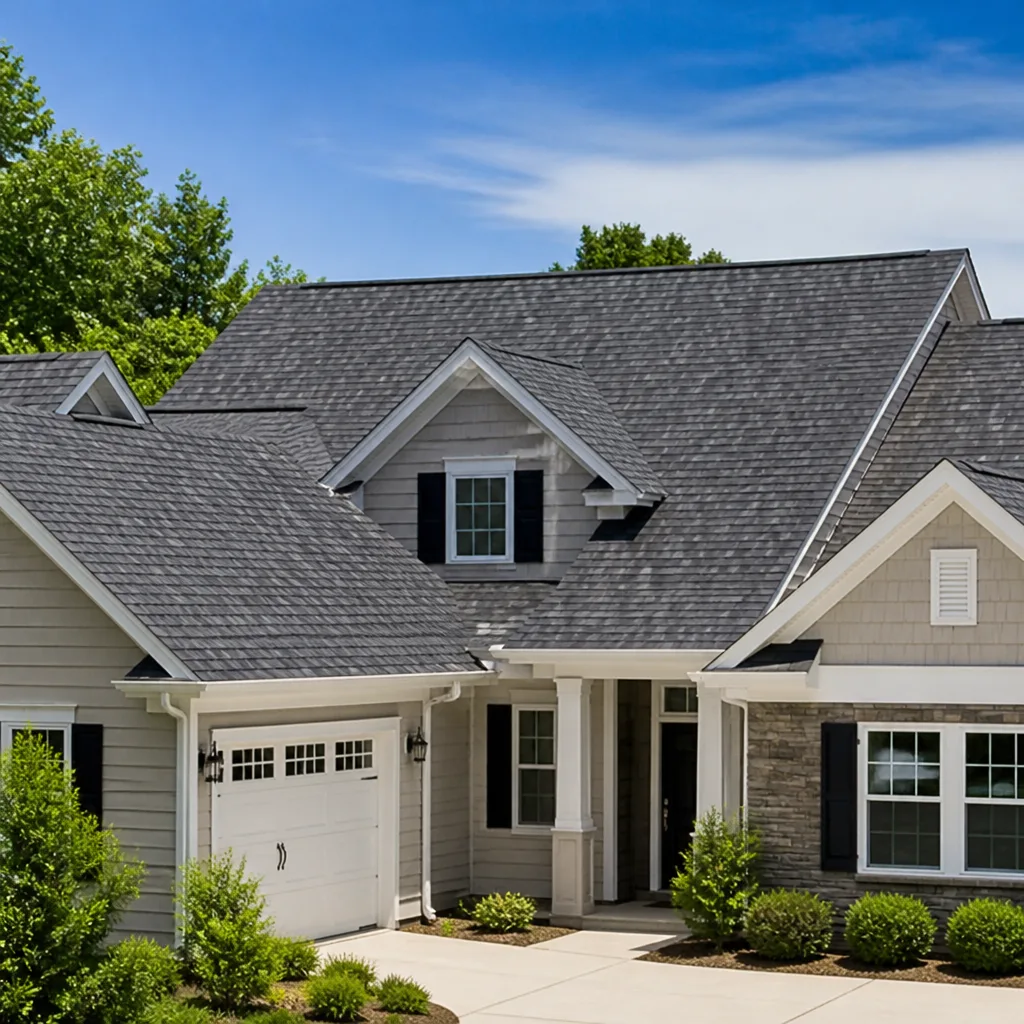 Owens Corning
 Flat & low-slope
Free roof inspection with deck photos before we talk money - GAF and Owens Corning certified installation
Roofing Cost Breakdown: The San Jose Homeowner’s Reference for 2026
The average San Jose re-roof quote has at least three line items that most homeowners never ask about: the pitch multiplier (which can add 20-35% for anything over a 6:12 slope), the dump fee for old material, and the permit fee. None of these appear in the headline price-per-square number most contractors advertise. This guide builds the price from components, not averages, so you can stress-test any bid you receive in San Jose before you sign it.
Styles & brands we work with
Quick Answer
A full roof replacement in San Jose in 2026 typically runs $11,500 to $34,000, depending on material, roof pitch, layers of existing material, and permit scope. The per-square-foot numbers most guides publish are useless without adjusting for San Jose’s permit fees, the pitch multiplier on older Eichler and rancher roofs, and current dump costs. The realistic installed cost range is $5.50 to $16.00 per square foot for shingle roofs, and $14.00 to $28.00 per square foot for tile.
Table of Contents
- Material Cost Ranges in San Jose for 2026
- Labor Cost Variables: Pitch, Height, and Roof Geometry
- What San Jose Permit Fees Actually Cost
- Tear-Off Count and Dump Fees: The Hidden Line Item
- Flashing, Underlayment, and the Low-Bid Omissions
- Warranty Cost Math: Why Bids Without Workmanship Warranties Are Cheaper
- Sample Breakdowns: Three Real San Jose Roof Scenarios
- Common Mistakes to Avoid
- When to Call a Professional
- Frequently Asked Questions
- The Bottom Line
Material Cost Ranges in San Jose for 2026
Material prices in San Jose have stabilized after the volatility of 2021-2023, but they have not come back down. What changed is the spread between budget and premium options. The gap is wider now than it was five years ago. That means the material line on a San Jose bid can differ by $6,000 or more between two contractors quoting the same roof. Here are the realistic installed ranges we see in San Jose right now, including the material, underlayment, fasteners, and trim accessories.
2026 Installed Cost by Material Type for San Jose
- 3-tab asphalt shingle: $5.50 to $7.50 per square foot installed. Entry-level. 20-year life expectancy in San Jose’s sun. Rarely the right call for a home you plan to keep.
- Architectural asphalt shingle: $6.50 to $10.00 per square foot installed. The workhorse for San Jose ranchers and two-story tract homes built from the 1960s through the 1990s. Lines from IKO, Atlas, and Tamko dominate this category, and the differences between them are real in terms of granule retention and wind rating.
- Class A cool roof composite: $8.50 to $13.00 per square foot installed. A growing segment in San Jose because of Title 24 energy requirements and the city’s cooling load. These carry a Class A fire rating, which matters in the dry hills above the valley floor.
- Concrete tile: $14.00 to $22.00 per square foot installed. Common in the Evergreen, Almaden, and Silver Creek areas where Mediterranean and Spanish styles dominate. Requires the roof structure to carry the weight. You cannot simply swap a shingle roof for tile without an engineering check.
- Clay tile: $18.00 to $28.00 per square foot installed. Premium aesthetic, heavier than concrete, and more fragile during installation. Long lead times in 2026 – some manufacturers are quoting 12 to 16 weeks for clay tile orders.
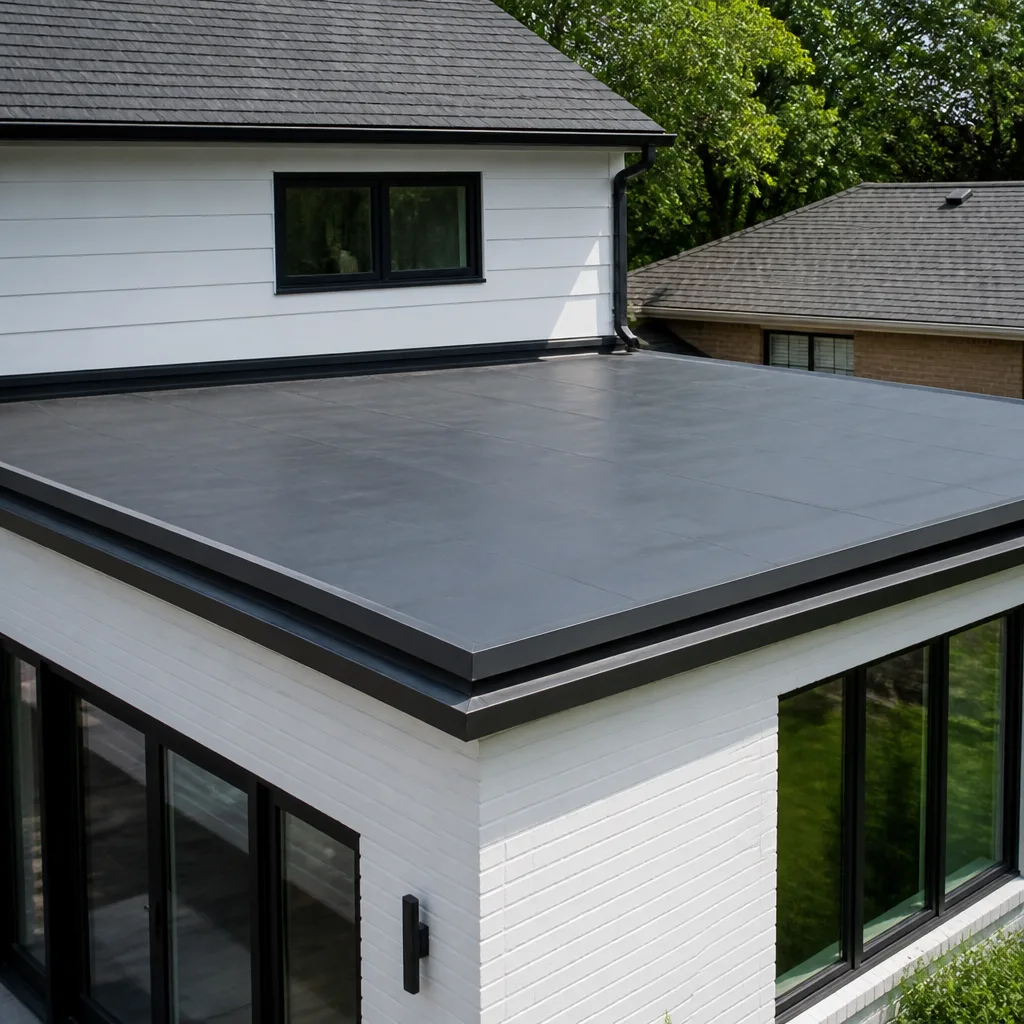
- TPO single-ply flat roof: $8.00 to $14.00 per square foot installed. San Jose has thousands of Eichler-style and mid-century homes with low-slope or flat sections, and TPO is the current standard for those. Boral also offers flat roof systems that some San Jose architects specify for contemporary builds.
The supply chain context matters. Asphalt-based products are regionally manufactured, so freight costs are lower and lead times are short, normally a week or less. Clay tile can sit on a production schedule for months. If a San Jose contractor promises clay tile installed in three weeks, ask to see the order confirmation from the manufacturer.
For a broader look at how these materials perform on San Jose homes, see our page on Roofing Company in San Jose.
Labor Cost Variables: Pitch, Height, and Roof Geometry
Labor is the line item that moves the most between bids, and it is the one homeowners are least equipped to evaluate. The two levers are the pitch multiplier and the roof’s complexity, which determines how many labor hours the job actually takes. A simple 4:12 gable roof on a single-story San Jose rancher might take a crew of four two days. A 9:12 hip-and-valley roof with three dormers and a chimney chase can take the same crew five days. Same square footage. The second roof costs more because it is more work.
Roofers price labor using a pitch multiplier. The steeper the roof, the slower the work, the higher the safety equipment requirement, and the more the labor costs. Here is the standard multiplier table used across the industry, and what it means in dollars for a 2,000-square-foot roof in San Jose.
Pitch Multiplier Table for San Jose Roofs
- 3:12 to 4:12 pitch: Base rate, no multiplier. A 2,000-square-foot roof in this range carries a labor line of roughly $3,500 to $5,000.
- 5:12 to 6:12 pitch: 1.10x multiplier. Add $350 to $500 to the labor line compared to base.
- 7:12 to 8:12 pitch: 1.20x to 1.25x multiplier. Add $700 to $1,250. Most San Jose hillside homes and many two-story designs fall here.
- 9:12 to 12:12 pitch: 1.35x to 1.50x multiplier. Add $1,225 to $2,500. Common on Craftsman and Cape-style homes in the Rose Garden and Naglee Park areas, and on custom builds throughout the hills.
- Over 12:12: 1.50x and up, bid by the job. These are steep enough that the crew is working on roof jacks and harnesses the entire time. Safety compliance alone adds labor hours.
Story height is a separate surcharge. A two-story home adds staging, ladder setup, and material handling time. In San Jose, where older neighborhoods mix one-story ranchers with two-story additions, the difference is often $1,000 to $2,500 on the labor line for a full replacement, depending on how much material has to be walked up a ladder versus loaded by conveyor or boom.
The shape of the roof matters more than the square footage. A simple rectangle gable has four or five planes. A hip-and-valley roof can have twelve. Every valley requires hand-cut flashing work. Every dormer requires step flashing. Every skylight, chimney, and vent pipe is a penetration that must be flashed properly. A roof with eight penetrations costs several hundred dollars more in labor than the same roof with two, simply because of the time it takes to flash each one correctly. This is also where low-bid contractors cut. Flashing work is slow and detail-heavy, and it is the easiest place to rush a crew. We’ll return to what that looks like in the section on omissions.
What San Jose Permit Fees Actually Cost
San Jose requires a building permit for any roof replacement that involves structural decking replacement or changes to the roof system; you can read more about Roofing Permits, Codes & Inspections in CA: What You Need to Know. A straightforward re-roof with like-for-like material and no decking replacement falls under a re-roof permit, which is faster and cheaper. A full tear-off that exposes and replaces more than a small section of decking triggers a full building permit. Here are the actual ballpark costs in 2026.
San Jose Roofing Permit Cost Ranges
- Re-roof permit (like-for-like, no structural work): $250 to $450, depending on the valuations submitted and the City’s current fee schedule.
- Full building permit with decking replacement or structural changes: $600 to $1,600 on a typical 2,000-square-foot San Jose home. Larger or more complex projects run higher.
- Plan check fees (if required for unusual roof systems or structural work): $150 to $400 additional.
Some contractors in San Jose quietly omit the permit fee from the bid, then call the homeowner mid-project and ask for it as a “change.” That is against the law in California, and it is one of the most common complaints we hear from San Jose homeowners who call us after a job went sideways. The permit fee is a pass-through cost. A square contractor includes it as a line item in the written price before any work starts. There is no legitimate reason for a permit fee to surprise you later.
An unpermitted roof replacement in San Jose creates problems at resale. The city can flag the work during a presale inspection, and title can get held up while the roof is brought into compliance. Saving $600 on the permit is a poor trade, and a contractor who suggests skipping the permit for your roof is not working in your interest. We pull every permit we take out in the homeowner’s name and we do not start work until the written price includes the permit line.
Tear-Off Count and Dump Fees: The Hidden Line Item
A roof that has been re-roofed before has multiple layers of old material that must come off before the new roof goes on. San Jose building code limits a residential roof to two layers of asphalt shingles. Many older San Jose homes, particularly in Cambrian, Willow Glen, and the East Side, have two layers bought decades apart. That means every re-roof on that home involves stripping two layers, not one.
Here is what the layers actually cost:
- No tear-off, overlay on a single existing layer: Legal in some cases but rarely advisable. Overlays trap moisture and hide decking rot. We do not recommend them and do not install them.
- Single-layer tear-off: $1.50 to $2.50 per square foot of roof area. On a 2,000-square-foot roof, that is $3,000 to $5,000.
- Double-layer tear-off: $3.00 to $4.50 per square foot. On the same roof, that is $6,000 to $9,000.
Dump fees are a separate charge that many contractors fold into the tear-off line. San Jose haulers charge by the ton, and a full tear-off from a 2,000-square-foot roof produces six to ten tons of material depending on the layers. Dump fees in 2026 run $700 to $1,400 on a typical San Jose re-roof all-in. If your bid does not show a dump line or a tear-off volume, ask where the old material is going and who is paying to haul it. A bid that omits this line is not cheaper. The contractor is simply planning to ask for it later.
The tear-off also reveals decking damage that no one can see from above. In San Jose’s older housing stock, we regularly find rotted decking around skylights, near roof valleys, and wherever a prior owner’s gutter system failed. Decking replacement runs $2.50 to $4.50 per square foot of affected area, and a responsible contractor will write that as a per-board contingency in the original bid rather than springing it as a surprise. Our written price includes a decking contingency line, and we document any rot we find with photos before we replace a single board.
Flashing, Underlayment, and the Low-Bid Omissions
Every San Jose homeowner eventually receives a bid that is dramatically lower than the others. The temptation is to assume the other contractors are padding their numbers. In our experience, the truth is usually the opposite. The low bid is low because it omits materials and detail work that are required for a roof to perform in this climate. Here is exactly what gets cut and what it costs to put back.
What Low Bids Omit in San Jose
- Underlayment grade: San Jose’s code minimum is a 15-pound felt equivalent, but the standard for a quality re-roof in this market is a synthetic underlayment or a 30-pound felt. The upgrade costs $0.30 to $0.80 per square foot, or $600 to $1,600 on a 2,000-square-foot roof. The cheap option tears during installation and degrades faster in our dry heat. This is the most common omission we see.
- Flashing metal gauge: Valley flashing and drip edge should be 26-gauge minimum, and 24-gauge on exposed valleys. Thin 28-gauge steel costs half as much and corrodes through in a decade, usually at the valley, which is where San Jose roofs leak first in winter rain.
- Valley treatment: Woven or closed-cut valleys are both acceptable, but both require more labor than an open valley with exposed flashing. Low bids often run a single layer of shingle straight through the valley, which is the first point of failure in heavy rain. Proper valley work adds $800 to $1,500 on a typical San Jose roof.
- Drip edge: Required by code, but frequently forgotten in cut-rate bids. Installing drip edge on a 2,000-square-foot roof costs $400 to $800. Without it, water wicks back under the shingle edge and rots the fascia board.
- Ice and water shield in valleys and at eaves: A peel-and-stick membrane that protects the highest-risk zones. $1.50 to $3.00 per linear foot, or $500 to $1,200 on a typical San Jose roof. Many low bids skip it entirely.
These omissions add up. The difference between a roof built to the San Jose code minimum and a roof built to what we would call the standard for this climate is roughly $3,000 to $6,000 on a 2,000-square-foot home. That is the number the low bid is hiding. We do not write low bids at Brennan Roofing Co San Jose home. We write one number, it goes on paper, and it covers the roof done the way a San Jose roof should be done.
Warranty Cost Math: Why Bids Without Workmanship Warranties Are Cheaper
A workmanship warranty costs the contractor money to back, not because they expect the roof to fail, but because they have to stay in business, answer the phone, and send a crew back if something goes wrong. A contractor who plans to sell the business, change a DBA, or simply disappear next year has no reason to include a workmanship warranty in the bid. It is a liability on their books and they price accordingly.
Here is what a 10-year workmanship warranty on a San Jose roof actually costs a contractor to honor. Roof failures cluster in the first two years. A contractor who provides a 10-year workmanship warranty is telling you they will still be reachable in two years, and they are pricing the small risk of a callback into every job. That risk-adjusted cost is typically $800 to $1,800 on a typical San Jose re-roof. A one-year workmanship warranty costs much less to back, and a bid with no workmanship warranty at all has no callback risk priced in whatsoever.
Manufacturer warranties are different. When you buy a GAF, CertainTeed, Owens Corning, IKO, Atlas, Tamko, or Boral product, the manufacturer stands behind the material itself for a term based on the product line, often 25 to 50 years on architectural shingles. But the manufacturer warranty does not cover the installation. If your roof leaks because the flashing was poorly installed, the manufacturer will not pay. That is the gap a workmanship warranty fills, and it is the reason two identical bids for the same material can be $2,000 apart. One contractor is pricing their promise, the other is not.
Our standard at Brennan Roofing is a written one-year guarantee called the 365-Day Done Right Promise. It is in writing, it lasts a full year, and if a repair or installation fails within that period, we come back free. We are not going to pretend it is a 10-year warranty, because it is not. What it is: a written commitment from a San Jose company that answers its phone, sends a background-checked technician, and stands behind the work. That matters more than the warranty term on paper. A 50-year warranty from a contractor who is gone in three is worth nothing.
Sample Breakdowns: Three Real San Jose Roof Scenarios
Here are three typical San Jose roofs and what a fair, complete written bid looks like for each in 2026. These are not quotes and not promotions. They are working examples built from the cost ranges in this guide, so you can hold them up against any bid you receive and see what is missing.
Scenario 1: 1,800-square-foot rancher in Cambrian, single-story, 4:12 gable, one layer of existing shingles
- Tear-off and dump: 1,800 sq ft single layer at $1.75/sq ft = $3,150, plus dump fee $850 = $4,000.
- Underlayment and ice/water shield: Synthetic underlayment $0.55/sq ft = $990, shield in valleys $600 = $1,590.
- Architectural shingles (Atlas or IKO mid-line): $2.90/sq ft material plus $1.60/sq ft install = $4.50/sq ft = $8,100.
- Flashing, drip edge, vents: $1,400.
- Re-roof permit: $400.
- Total: $15,490, or about $8.61 per square foot.
Scenario 2: 2,400-square-foot two-story in Almaden Valley, 7:12 hip-and-valley, two layers of existing shingles, two skylights
- Double-layer tear-off and dump: 2,400 sq ft at $3.75/sq ft = $9,000, plus dump $1,100 = $10,100.
- Pitch multiplier on labor: Base labor $4,000 at 1.25x = $5,000.
- Two-story surcharge: $1,500.
- Architectural shingles with upgraded underlayment: Material $3.10/sq ft plus labor $2.00/sq ft = $5.10/sq ft = $12,240.
- Skylight re-flashing and curbs (two): $900.
- Full permit with decking contingency ($1,200 held in contingency): $1,900.
- Total: $31,640, or about $13.18 per square foot.
Scenario 3: 2,200-square-foot Eichler-inspired home in Willow Glen, mostly 3:12 with a flat roof section, one layer
- Tear-off and dump on sloped section (1,600 sq ft): $2,800 plus dump $650 = $3,450.
- TPO flat roof removal and replacement (600 sq ft): $9.50/sq ft = $5,700.
- Architectural shingles on sloped section: $4.50/sq ft = $7,200.
- Transition flashing between sloped and flat sections: $1,200.
- Permit: $700.
- Total: $18,250, or about $8.30 per square foot blended.
These numbers are useful as a reference for the San Jose market in 2026. They are not a substitute for a written quote, which is why we provide a written price before any work starts, every time. For more on what a full replacement involves on a typical San Jose home, see Roof Repair in San Jose, and if you are trying to decide between repair and replacement, see Roof Inspection in San Jose.
Common Mistakes to Avoid
- Comparing bids by the headline per-square-foot number. Two bids with the same per-square number can differ by $5,000 in actual cost once tear-off, pitch, permit, and flashing are accounted for. Compare line items, not headlines.
- Assuming a permit is optional. In San Jose it is not. An unpermitted roof can delay or derail a future sale, and the city can require the work to be brought into compliance at your expense.
- Accepting an overlay instead of a tear-off. Overlays are cheaper upfront and more expensive over time. They trap moisture between layers and hide decking rot until it has spread.
- Not asking about underlayment grade. The underlayment is what protects your home if a shingle blows off in a winter storm. The cheap felt tears during install and weakens fast. Ask for the spec in writing.
- Ignoring decking contingency language. If the bid says “decking as needed” without a per-board price, the contractor controls the cost of every surprise. Get the per-board price in writing before work starts.
- Choosing a contractor without a workmanship warranty. A material warranty covers the shingle, not the install. Without a workmanship warranty, a leak at the flashing is your problem, not the contractor’s.
When to Call a Professional
If your roof is over 20 years old, if you see granule loss in your gutters, if you have a leak that has stained a ceiling, or if you are buying a San Jose home with an aging roof and need a real number for negotiation, call a professional, or see our Seasonal Roofing Care for San Jose: Year-Round Homeowner’s Guide for maintenance tips. A roof inspection is not a sales visit. It is the only way to know what you are actually dealing with under the surface. If you are within San Jose and want a written inspection report you can hold in your hand, call Brennan Roofing Co San Jose at (669) 238-2101. We offer free estimates in San Jose, and the price goes on paper before any work starts.
Frequently Asked Questions
A full roof replacement in San Jose costs $11,500 to $34,000 for most single-family homes in 2026, depending on material, roof pitch, layers of existing material, and permit scope. The per-square-foot range is $5.50 to $16.00 for shingle roofs and $14.00 to $28.00 for tile. Call (669) 238-2101 for a written quote specific to your roof – estimates are free.
No, San Jose requires a permit for roof replacement, and doing the work without one creates problems at resale and can trigger a city compliance order. A legitimate San Jose contractor includes the permit fee as a line item in the written bid. We pull permits in the homeowner’s name on every job and the permit cost is on paper before any work starts.
Steeper roofs require slower, safer work, and the industry prices labor using a pitch multiplier that runs from 1.0x at a 4:12 slope to 1.5x or more over a 12:12 slope. A 7:12 roof costs about 20-25% more in labor than a 4:12 roof of the same size because the crew works on jacks and harnesses and the material handling is slower. Call (669) 238-2101 and we will walk the roof with you and show you exactly where the multiplier applies.
A double-layer tear-off in San Jose runs $3.00 to $4.50 per square foot, or $6,000 to $9,000 on a 2,000-square-foot roof, not including dump fees of $700 to $1,400. Single-layer tear-off runs roughly half that. The layer count is one of the biggest variables between bids, so confirm it is written on the bid you receive.
Not if you have a written price that includes a decking contingency at a fixed per-board rate. Our written price at Brennan Roofing is exactly that: the number goes on paper before any work begins, the decking rate is fixed in advance, and we document any rot with photos before we replace a board. If a contractor will not write the decking rate into the bid, expect the price to move.
A manufacturer warranty covers defects in the shingle or tile material, but it does not cover installation errors like poor flashing, improper valley treatment, or failed underlayment. A workmanship warranty from the contractor covers those install risks for a defined period, in writing. Our 365-Day Done Right Promise covers every repair and installation for one full year, and we return free if it fails. Call (669) 238-2101 with any roof questions – a live person answers.
The Bottom Line
Roofing prices in San Jose are not driven by a single per-square-foot number. They are driven by four variables: the pitch multiplier on your roof, the number of layers that must come off, the flashing and underlayment details that protect against our winter rains and summer heat, and the permit and dump fees that honest contractors include in the written price. A bid that omits any of these is not cheaper. It is incomplete. The right approach is to demand a written, line-item price before any work starts, and to choose a San Jose contractor who will put their guarantee in writing and come back if the work fails; for more guides & resources, visit our blog. That is the standard we build to at Brennan Roofing Co San Jose, and it is the standard we are glad to show you on your roof.
Written by Travis Oakley, Owner at Brennan Roofing Co San Jose, serving San Jose since 2000.
See the difference
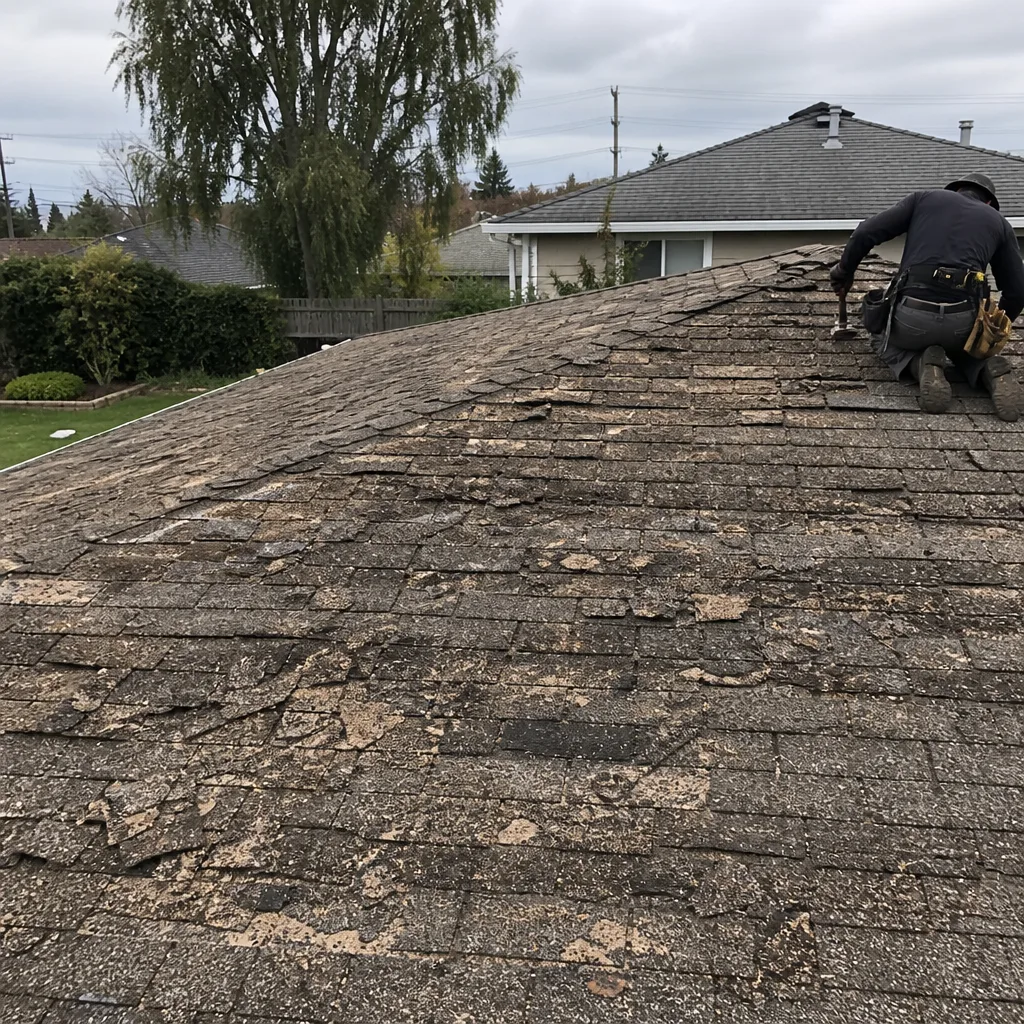 Before
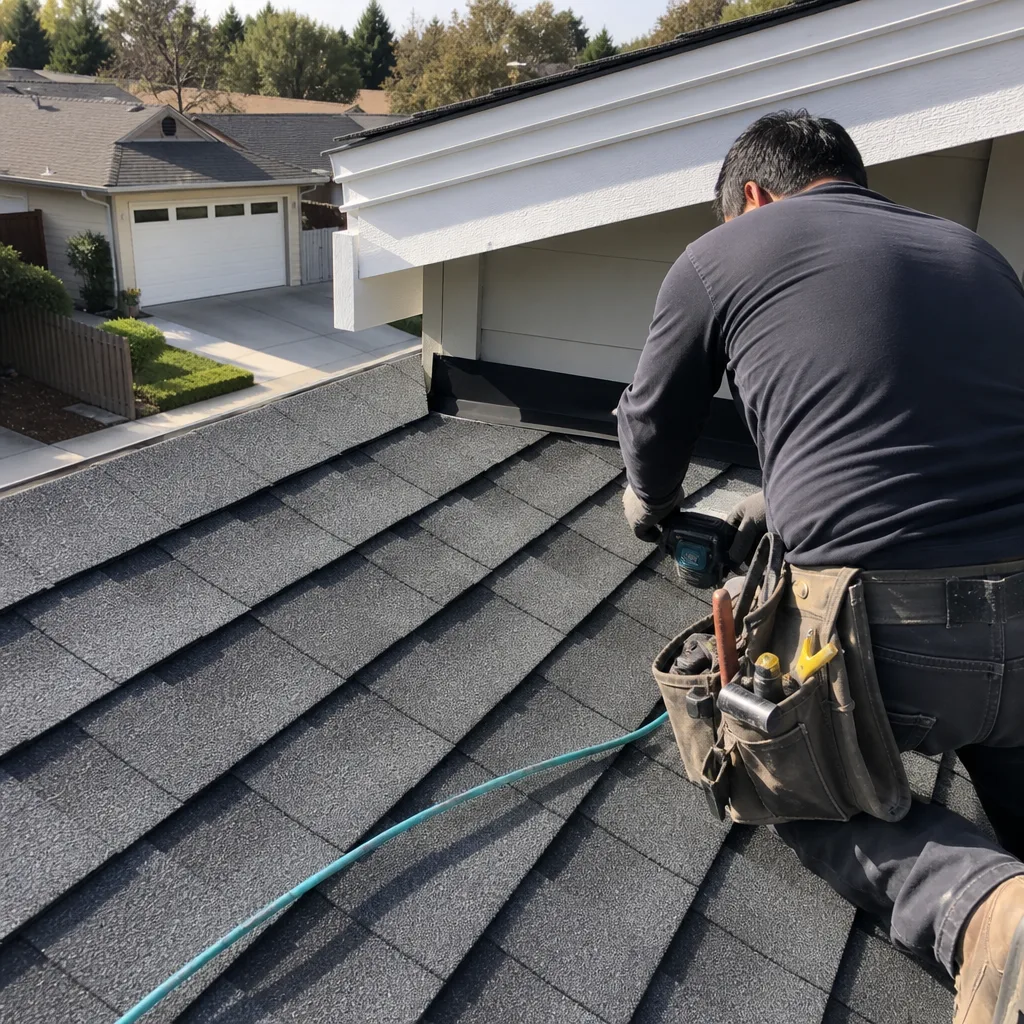 After
After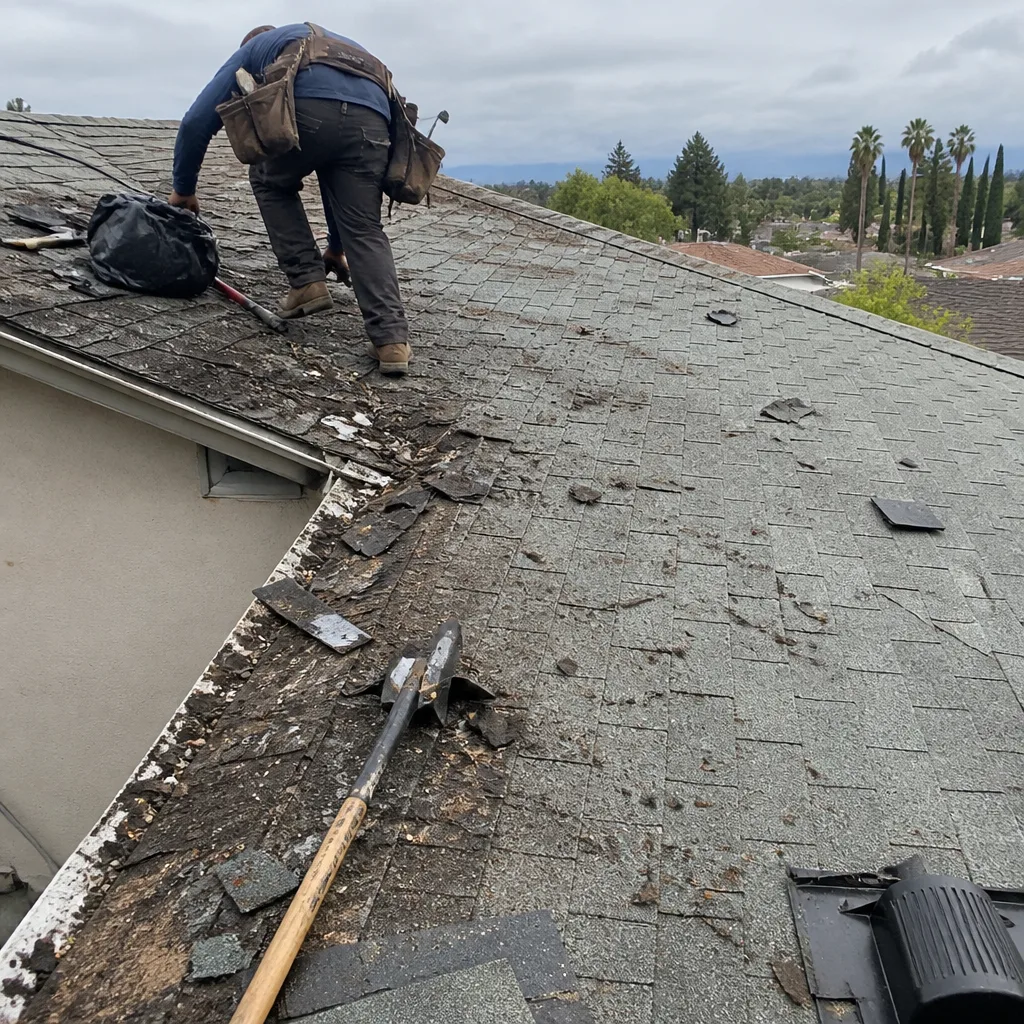 Before
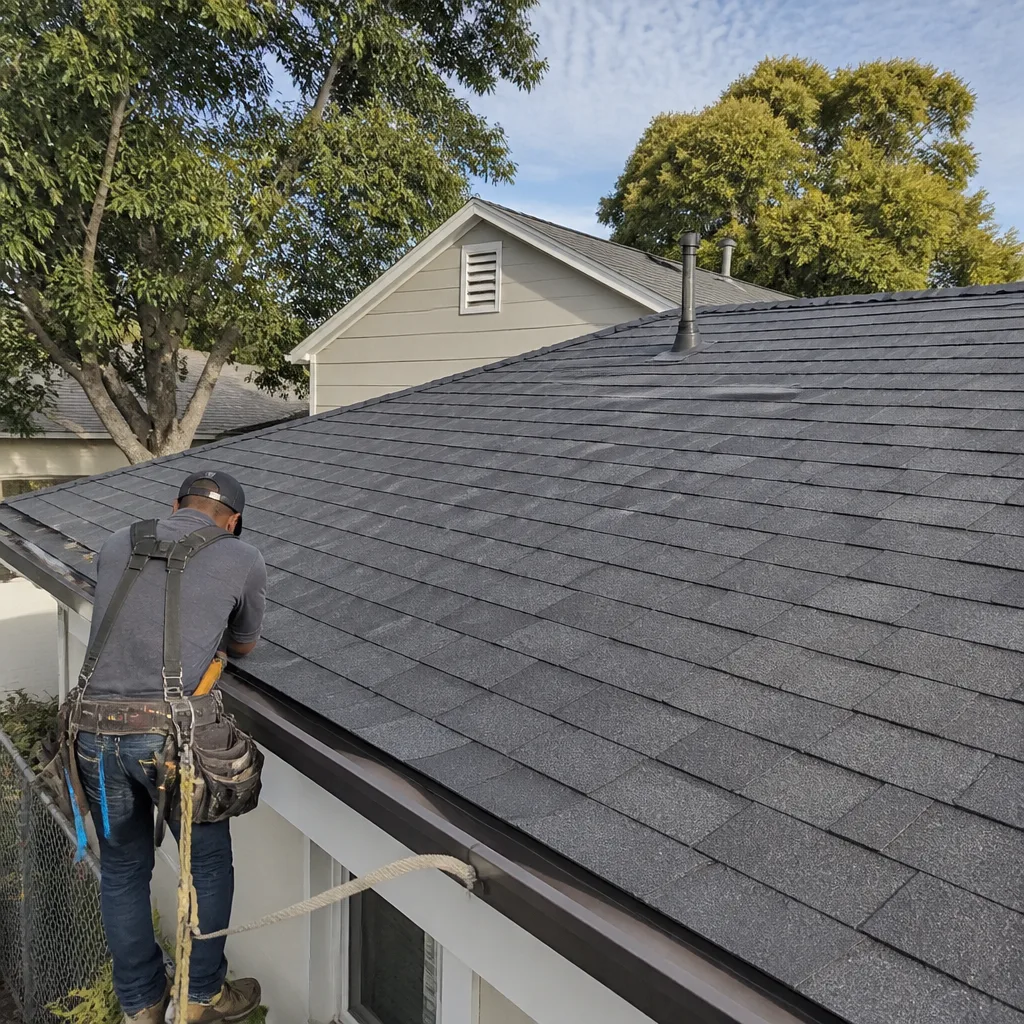 After
After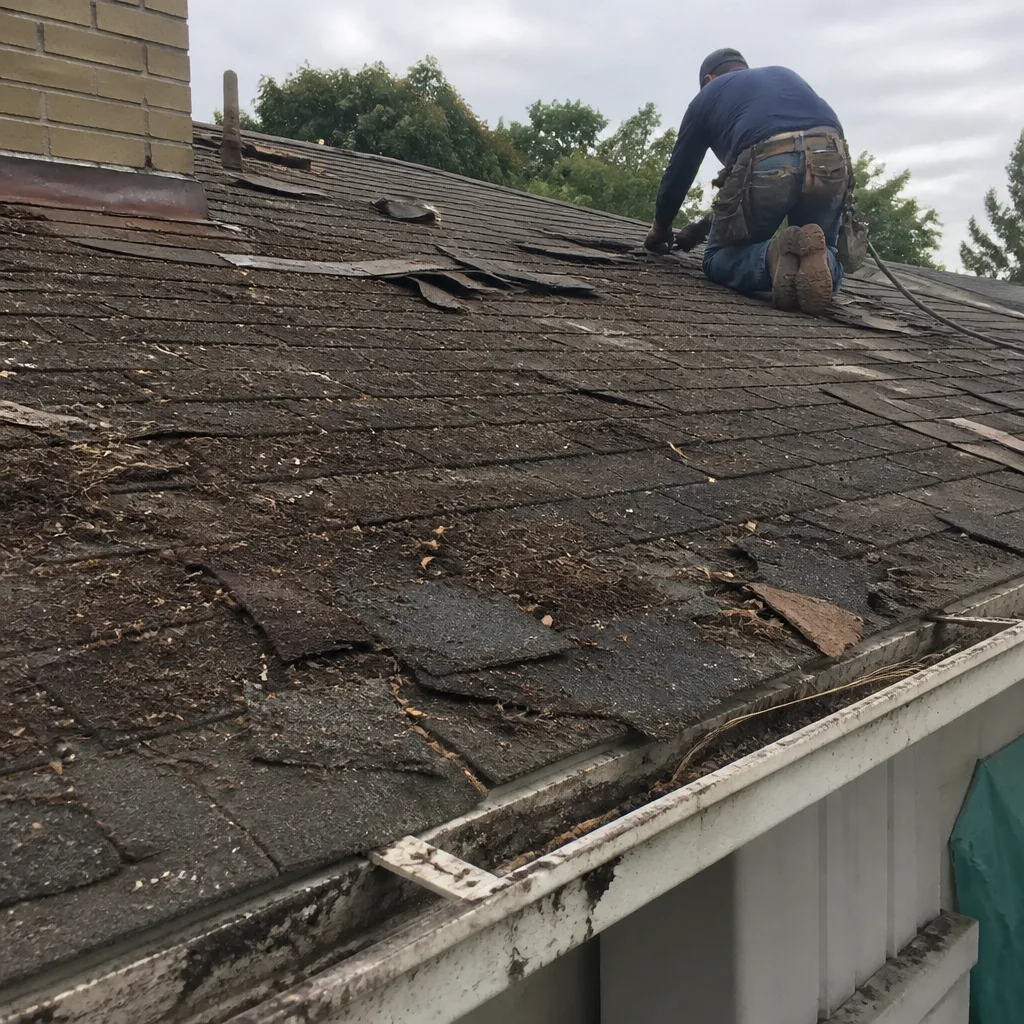 Before
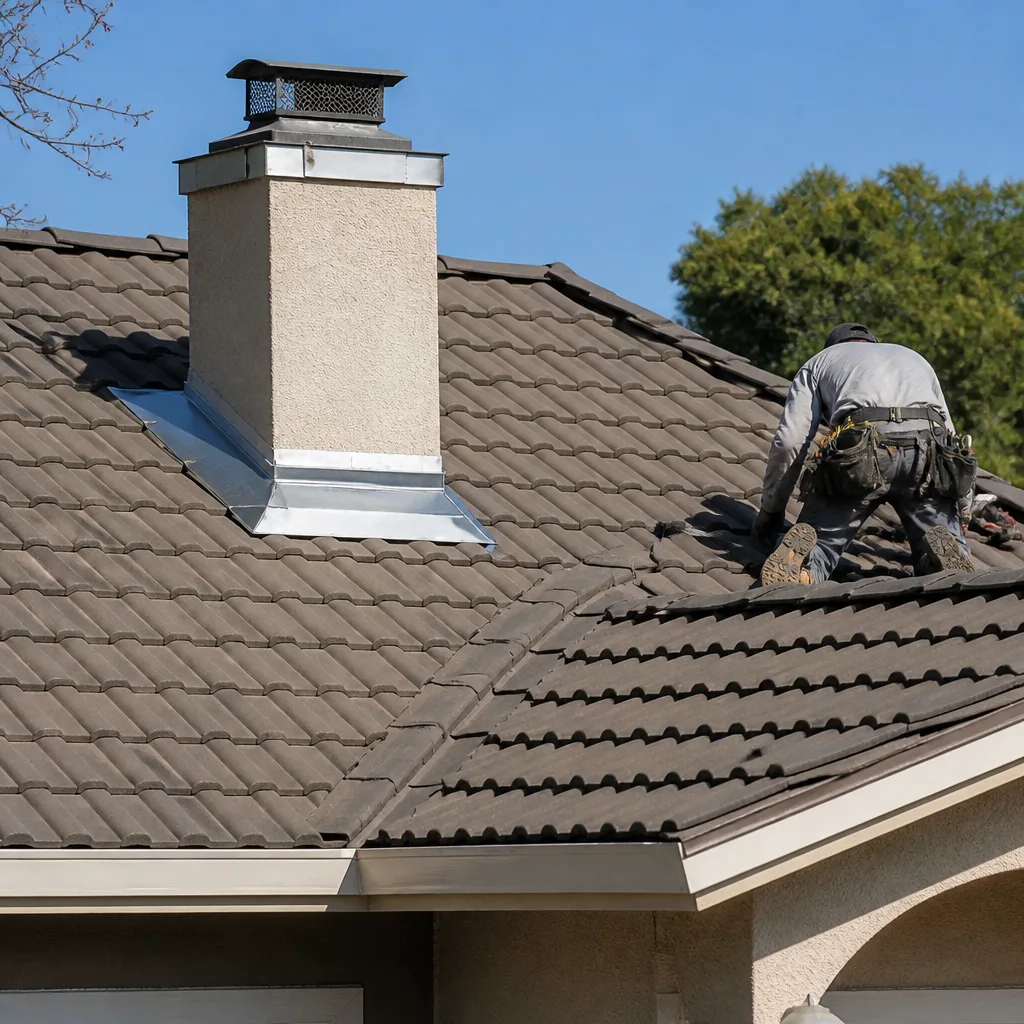 After
After