
Last updated October 17, 2026
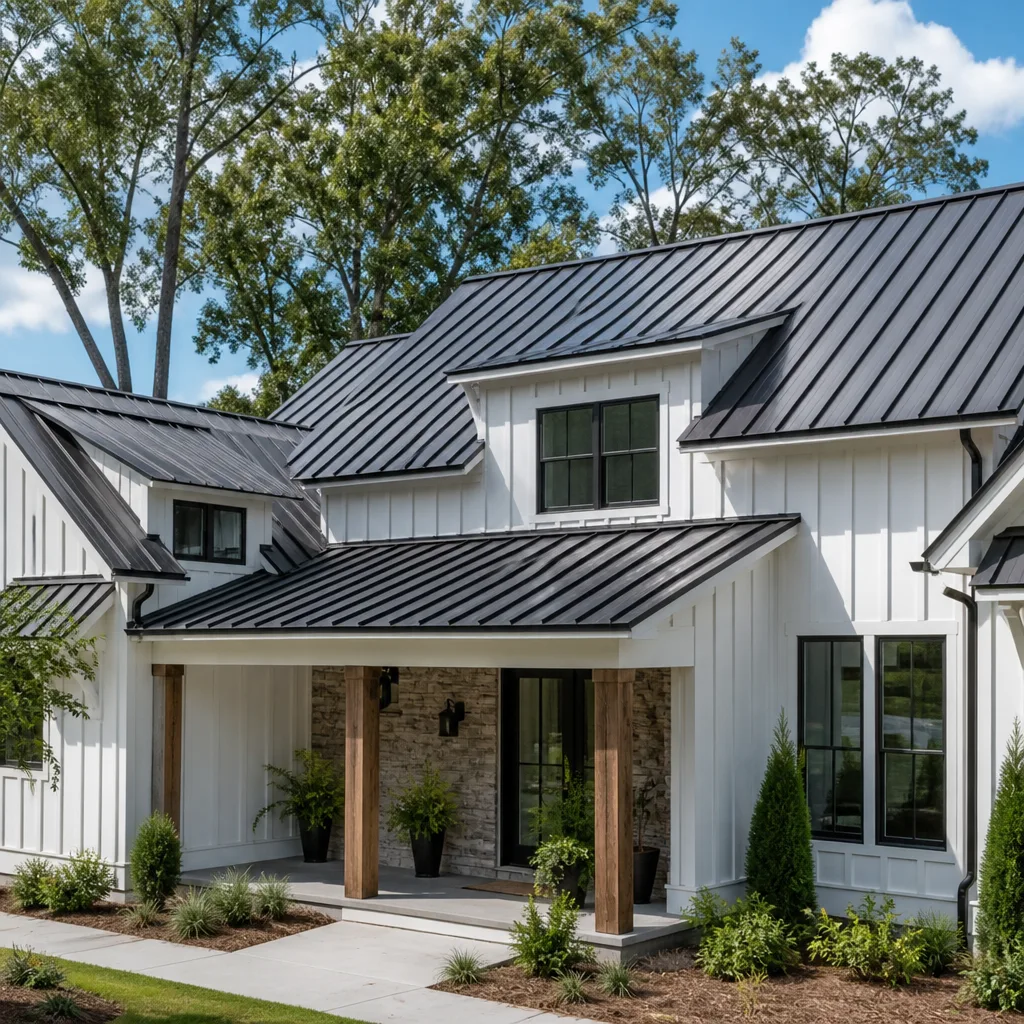 Metal roofing
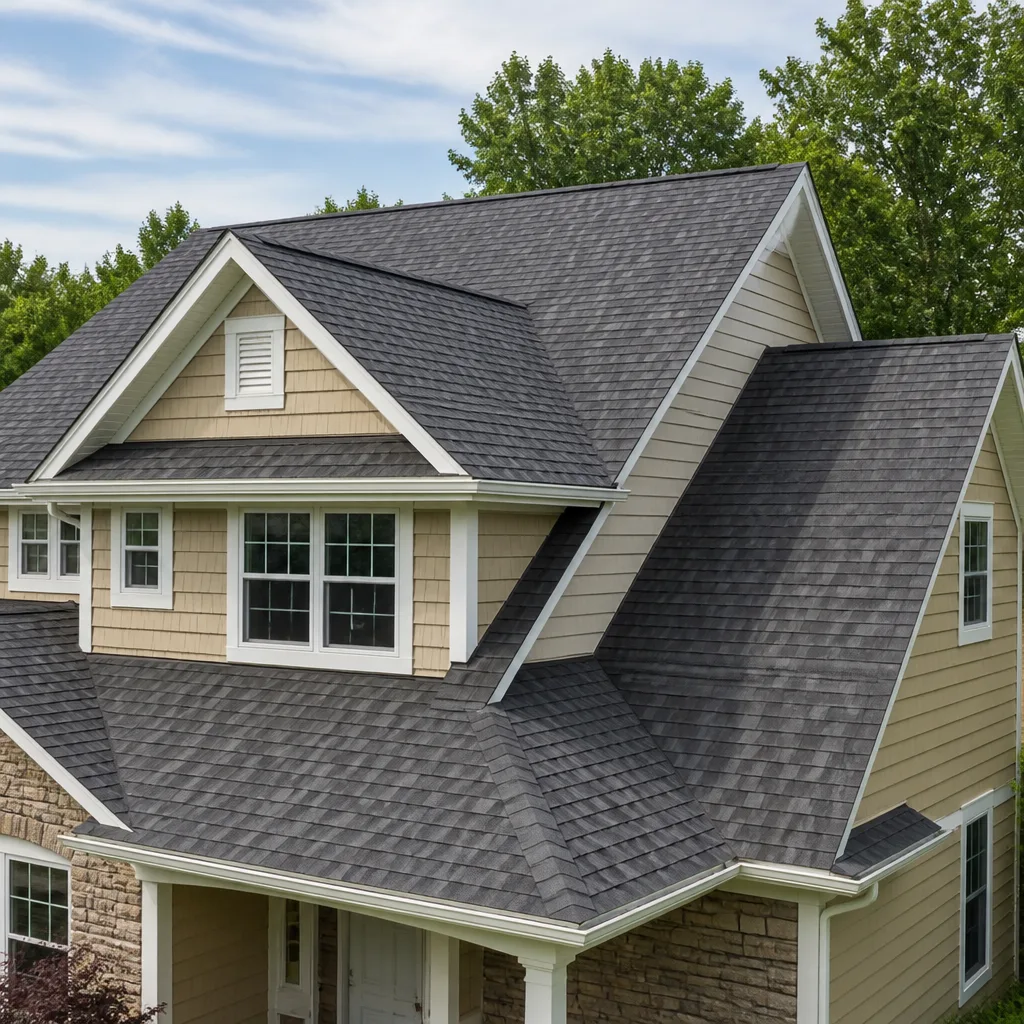 Architectural shingles
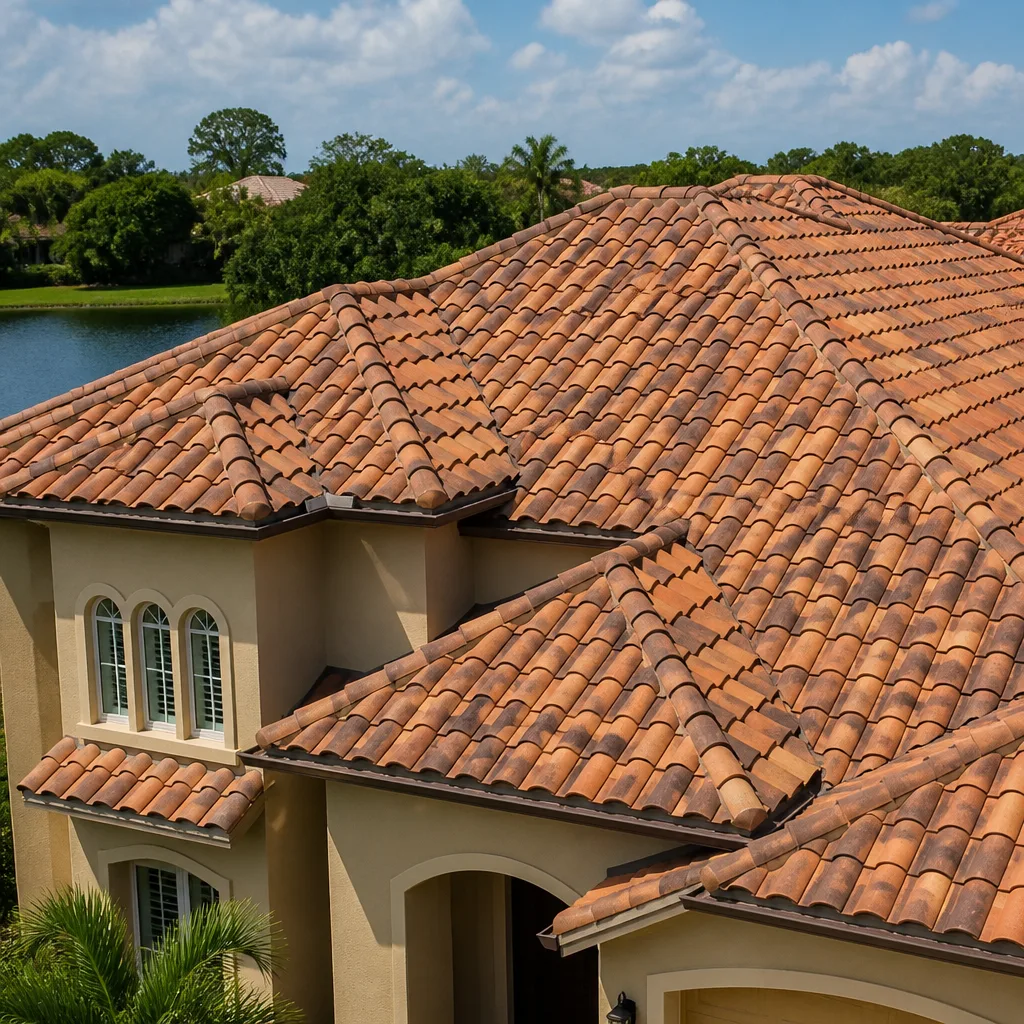 Tile roofing
 GAF
GAF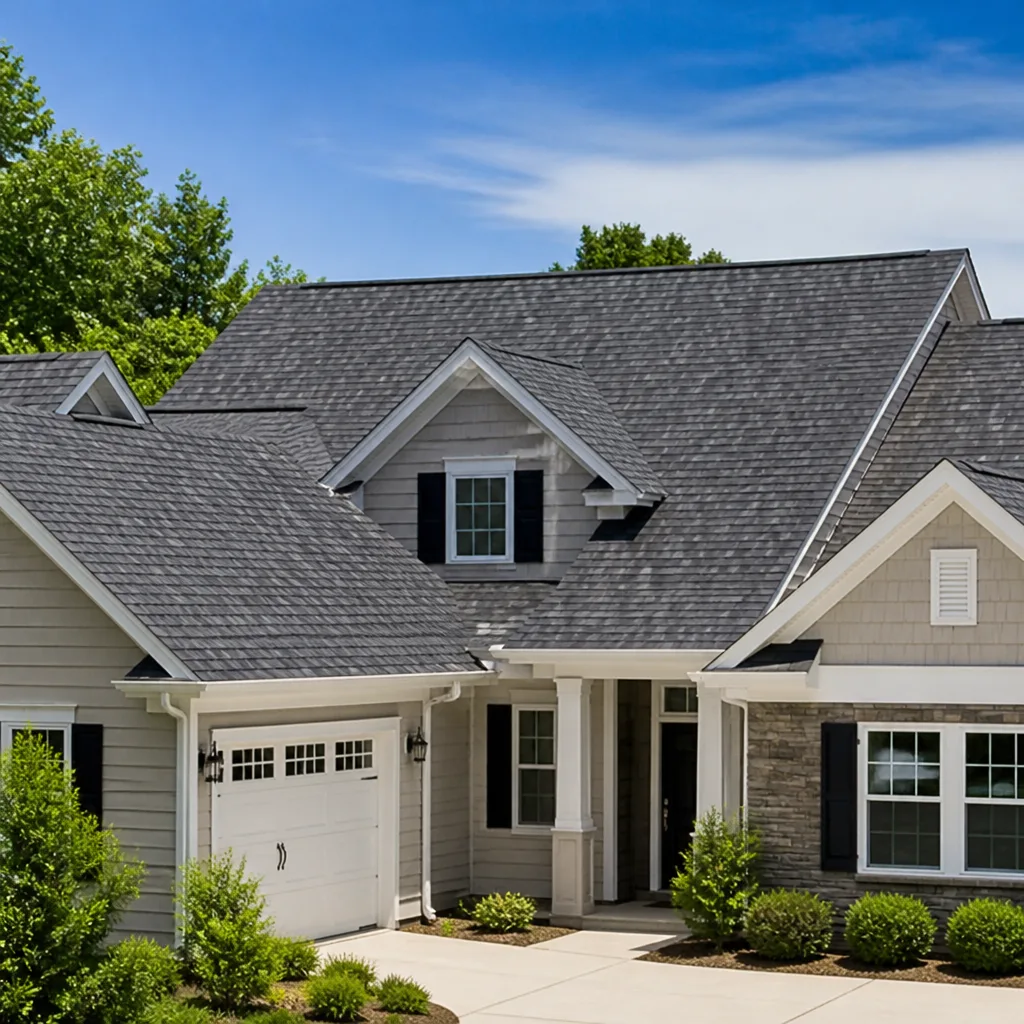 Owens Corning
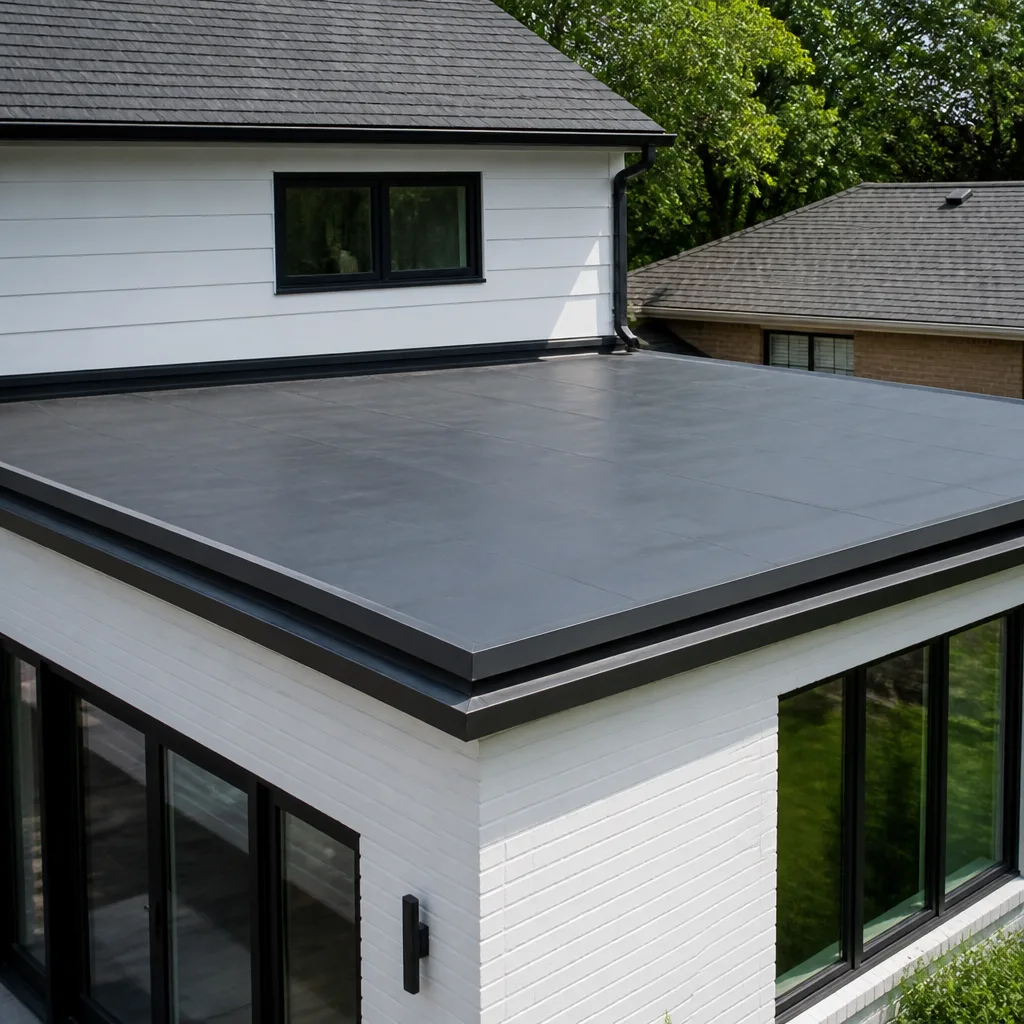 Flat & low-slope
Free roof inspection with deck photos before we talk money - GAF and Owens Corning certified installation
The Complete Guide to Roofing in San Jose
Most roofing guides read like they were written for a house in Ohio. San Jose is not Ohio. We sit inside Seismic Design Category D, which means the ground under your house is classified as capable of severe shaking. We also sit inside a state-mandated fire hazard severity zone, which means ember exposure is a design requirement, not a preference. These two facts alone eliminate roughly half the material and fastening advice you will find in generic national guides. This guide covers the engineering side of roofing in San Jose: what actually meets code here, what fails early here, and what a disciplined roofing company should put in writing before a single shingle comes off the truck. For more guides & resources, see our blog.
Styles & brands we work with
Quick Answer
Roofing in San Jose means choosing materials and installation methods that meet California Title 24 cool roof standards, Seismic Design Category D fastening schedules, and Wildland-Urban Interface fire ratings, all while handling a microclimate that swings from 100°F valley heat to coastal fog within the same week. A full roof replacement in San Jose typically runs between $14,000 and $32,000 depending on material class, roof complexity, and whether the existing decking needs repair. The decision that matters most is not shingle color; it is what goes under the shingle.
Table of Contents
- What San Jose’s Microclimate Actually Does to a Roof
- Title 24 Cool Roof Rules: What Is Code-Legal vs. Code-Optimal
- Seismic and Wind Uplift: The Fastening Standards Most Quotes Ignore
- Coastal Fog and the North-Facing Plane Problem
- Material Longevity in the Bay Area: Real Numbers, Not National Averages
- The San Jose Permit Process: How It Actually Works at the Counter
- What a Roof Costs in San Jose: Real Ranges by Material and Scope
- Common Mistakes to Avoid
- When to Call a Professional
- Frequently Asked Questions
- The Bottom Line
What San Jose’s Microclimate Actually Does to a Roof
San Jose gets roughly 17 inches of rain in an average year. That number sounds gentle, and it is, until you understand how that rain arrives. We do not get slow, soaking drizzle. We get atmospheric river events that dump two to three inches in a day, often with wind gusts that drive water sideways under shingle laps and flashings that have relaxed over 20 years of thermal cycling. A roof in San Jose does more work in one January storm than a roof in Seattle does all winter.
The bigger degradation engine is temperature swing. Summer days in the Evergreen and Alum Rock areas regularly push past 95°F, and the surface of an asphalt shingle roof can hit 160°F or more. At night, especially in neighborhoods near the hills, temperatures drop 35 to 40 degrees. That daily expansion and contraction is what cracks shingles, loosens nails, and separates flashing from the decking. Thermal cycling is why we see roof failures in San Jose on 15-year-old roofs that would make it to 25 in a more stable climate like the Pacific Northwest.
UV exposure is the third factor. San Jose averages over 260 sunny days per year, and the UV index in July and August sits in the 9 to 10 range, which the EPA classifies as very high. UV radiation breaks down the asphalt oils that keep shingles pliable. Once those oils degrade, shingles turn brittle, and brittle shingles crack at the nail line during the next wind event. This is the most common failure mode we see on roofs in the Blossom Valley and Cambrian areas.
Title 24 Cool Roof Rules: What Is Code-Legal vs. Code-Optimal
California’s Title 24 energy code applies to every reroofing project in San Jose that replaces more than 50% of the roof surface. The code requires that low-slope roofs, meaning roofs with a pitch under 2:12, use a cool roof product. That means a surface with a minimum solar reflectance index, or SRI, that reflects enough sunlight to reduce cooling load. For steep-slope roofs, which covers most single-family homes in San Jose, the rules are more nuanced.
What the Code Actually Requires
- Steep-slope roofs (2:12 pitch or greater): If you use asphalt shingles, you must install a cool roof rated product unless you add at least R-38 ceiling insulation or there is existing insulation that meets that level in at least 90% of the attic. Some lighter-colored shingle lines from IKO and Atlas meet the cool roof threshold because their granule coatings reflect enough sunlight. Dark shingles do not.
- Low-slope roofs (under 2:12 pitch): Cool roof is mandatory. That means a reflective membrane, coating, or a product with a high SRI rating. There is no insulation loophole here.
- Tile and concrete roofs: Clay and concrete tile products generally meet the cool roof standard due to their thermal mass and natural reflectivity, though color matters. Lighter tiles perform better on the SRI scale.
The distinction between code-legal and code-optimal matters. A dark architectural shingle might pass Title 24 if your attic insulation is deep enough, but it will still run hotter than a cool-rated shingle, which means higher attic temperatures, more strain on your HVAC system, and faster asphalt degradation. In our experience, San Jose homeowners who choose cool-rated shingles for their steep-slope roofs report noticeably cooler upstairs rooms, especially in two-story homes built before 1990 with original insulation levels.
What “Cool Roof” Means in Practice
Cool roof is about solar reflectance and thermal emittance. A standard dark asphalt shingle reflects maybe 5 to 15% of solar energy. A cool-rated shingle reflects 25 to 40%. That difference translates to a surface temperature drop of 20 to 40 degrees on a 95°F San Jose afternoon. The engineer at the city counter cares about the SRI number on the product data sheet. The homeowner cares about the upstairs bedroom that stops feeling like a kiln in August. Both concerns point in the same direction.
Seismic and Wind Uplift: The Fastening Standards Most Quotes Ignore
San Jose sits in Seismic Design Category D, which is a classification assigned by the International Residential Code based on mapped ground acceleration. What that means for your roof is simple: the connection between your roof decking and your rafters or trusses is a structural element, not a convenience. A roof that is nailed to code for a Category B or C zone, which covers most of the Midwest, has roughly half the fastening density of what San Jose requires.
The Fastening Schedule That Matters
- Decking-to-framing nails: San Jose code requires 8d nails at 6 inches on center at panel edges and 12 inches on center in the field. Most 1980s-era homes in San Jose were built with 4-inch edge spacing and 6-inch field spacing, which was code at the time. When we reroof, we check this. If the decking is under-fastened, we add fasteners before underlayment goes down.
- Underlayment: In high-wind areas, which includes much of the Santa Clara Valley floor and all of the east foothills, a minimum of one layer of ASTM D226 Type II underlayment (often called 30-pound felt) or a synthetic equivalent is required under shingles. In the interface zones near open space, two layers are sometimes specified.
- Drip edge: Drip edge must be installed at the eaves and rakes, and it must be fastened to the decking, not just to the fascia board. This detail gets skipped on a significant number of San Jose reroofs, and it is the first place wind-driven rain intrudes.
- Shingle nailing: For roofs in the moderate wind zone, which includes San Jose, shingle manufacturers recommend six nails per shingle, not four. Four nails is a low-wind spec. Six nails is what most premium shingle warranties in California require anyway. Tamko, Atlas, and IKO all publish six-nail specs for high-wind installation, and we follow those specs on every job.
Wind Uplift Is the Silent Failure Mode
People associate seismic risk with whole-house movement, but the more common roof-level failure in San Jose is wind uplift. When a Pacific storm front pushes through the Santa Cruz Mountains gap with gusts at 45 to 55 mph, the wind accelerates over the ridge and creates negative pressure on the leeward side of your roof. That negative pressure tries to lift the shingles off the decking. The only thing holding them on is the nail pattern. Six nails per shingle with proper placement is the difference between a roof that survives a January storm and a roof that sheds shingles into the neighbor’s yard.
If you are comparing quotes in San Jose, ask each contractor to show you the fastening schedule in writing. Most will not have one. That tells you something. The Roofing Company in San Jose you hire should be able to say exactly what nail gauge, what nail length, what pattern, and what underlayment spec they will use, because all of it goes on the permit application.
Coastal Fog and the North-Facing Plane Problem
The Santa Cruz Mountains do something specific to San Jose weather: they trap marine layer fog that rolls over the ridge in the early morning and sits against the north-facing slopes of local neighborhoods until mid-morning. In areas like Willow Glen, Rose Garden, and the northern edges of downtown, that fog creates a condensation problem on north-facing roof planes that southern-facing planes never experience.
Here is how it works. A north-facing roof plane stays shaded all winter. The shingle surface temperature on that plane might never rise above 45°F on a January day. The air underneath the roof decking, in the attic, is warmer, because it is heated by the house. Warm air holds moisture. When that warm, moist attic air contacts the cold underside of the north-facing decking, condensation forms. Over a winter, that condensation soaks the decking from below. Over five winters, the decking starts to delaminate and rot from the back side, where no roofer can see it during a visual inspection from the outside.
This is why a proper attic ventilation design matters more in San Jose than in drier climates. Ridge vents, soffit vents, and in some cases a powered vent or a smart vent system, have to work together to keep the attic air moving so it does not sit against the north-facing decking. When we inspect roofs in San Jose, we always go into the attic. A roof that looks fine from the street can be watching its north plane rot from the inside, and the homeowner will not know until a water stain appears on the ceiling.
Material Longevity in the Bay Area: Real Numbers, Not National Averages
The national shingle manufacturers publish lifespan ranges based on national average weather data. San Jose is not average. Our UV index is higher, our temperature cycling is more aggressive, and our occasional hail events, while rare, hit hard when they come. Here are the real longevity ranges we observe on roofs in San Jose, based on our experience pulling and replacing them.
- 3-tab asphalt shingles (basic): 12 to 18 years in San Jose. The national claim is 20 to 25. UV degradation on the granule coating is the primary limiter. These fail on the south and west planes first.
- Architectural asphalt shingles (dimensional): 20 to 28 years. Cool-rated architectural lines from IKO and Atlas tend to hit the upper end because the reflective granules slow the asphalt oil breakdown. Dark architectural shingles hit the lower end.
- Concrete tile: 40 to 60 years, but the underlayment beneath the tile fails in 25 to 35 years and needs replacement. The tile itself is functionally permanent in San Jose’s climate. The system is not.
- Clay tile: Similar to concrete. 40 to 60 years for the tile. The paper underneath is the weak link.
- Standing seam metal: 40 to 60 years with proper installation. Metal performs well in San Jose’s UV environment; the failure points are fastener gaskets and panel seams on complex roofs.
- Modified bitumen and built-up roofs (flat and low-slope): 15 to 25 years depending on coating maintenance. The difference between a 15-year flat roof and a 25-year flat roof in San Jose is usually whether the homeowner recoats every 5 years.
- Boral steel-coated stone shingles: 30 to 50 years. These are a specialty product that performs well in high-wind zones. The price is premium, but the longevity matches it.
One more note: the south and west exposures in San Jose always fail first. If you are deciding between repairing one plane and reroofing the whole structure, the condition of the south and west planes is the honest indicator. In neighborhoods like Almaden Valley and Silver Creek, where homes have large south-facing rooflines, the sunward planes typically show granule loss 3 to 5 years before the north planes do.
The San Jose Permit Process: How It Actually Works at the Counter
Reroofing a home in San Jose requires a building permit from the City of San Jose’s Development Services division. This is not optional, and any contractor who tells you they can skip the permit is cutting a corner that will surface when you try to sell the house. Here is the realistic sequence.
- Submit the application. Your roofing contractor submits a reroof permit application online through the SJPermits portal or in person at the Development Services Permit Center, located downtown on North First Street. The application includes the roof square footage, a description of the materials, the fastening schedule, and the underlayment specification.
- Pay the fee. Reroof permit fees in San Jose for a typical single-family home run roughly between $250 and $600 depending on project valuation. This is a hard cost that should appear as a line item on your written estimate.
- Over-the-counter review. Most straightforward reroofs on existing single-family homes qualify for same-day, over-the-counter review. If the roof has unusual conditions (a second-story addition, a roof deck, a complex mixed-material design), the review can take 1 to 2 weeks.
- Inspection scheduling. After the roof is stripped and the underlayment is down, the city requires a mid-roof inspection before the finish material goes on. This is called the in-progress inspection. Once the roof is complete, there is a final inspection.
- Closeout. The inspector signs off, the permit is closed, and you keep the documentation. The final inspection sign-off is the document you want in your file when you sell the house.
Timeline reality: a same-day permit pull is possible, but the in-progress inspection scheduling depends on the city’s inspector availability. During the spring and summer busy season, San Jose inspections are typically scheduled 2 to 5 business days out. A complete reroof from tear-off to final inspection takes 3 to 7 days for a standard single-story home, and 5 to 10 days for a two-story or complex roof. Weather delays in January and February can add days between phases. If you want a detailed look at how a professional Roof Inspection in San Jose works before you commit to a full reroof, that is a good place to start.
What a Roof Costs in San Jose: Real Ranges by Material and Scope
Roof pricing in San Jose is higher than the national average in two ways: labor is more expensive, and the code-compliant material package costs more. A roof that would cost $12,000 in Texas will run $18,000 to $24,000 in San Jose for the same square footage, because the fastening schedule is heavier, the underlayment spec is higher, and the labor force is more expensive to keep on payroll. Here are realistic ranges for a typical San Jose single-family home of 1,600 to 2,400 square feet of roof area.
- Basic 3-tab asphalt shingle reroof: $12,000 to $18,000. This is the entry-level option, and it is the roof most likely to need replacement in 15 years.
- Architectural asphalt shingle reroof (cool-rated): $16,000 to $28,000. This is the most common residential roof in San Jose right now. The spread depends on whether the decking needs spot repair and whether the home is one story or two.
- Standing seam metal roof: $32,000 to $55,000. Premium material, premium labor. The price is high because metal roofing requires specialized crews and the panel fabrication is not forgiving of measurement errors.
- Concrete tile reroof (full system with new underlayment): $28,000 to $45,000. If you are reusing existing tile and only replacing the underlayment, the price drops to roughly $15,000 to $25,000.
- Boral steel-coated stone shingle roof: $35,000 to $55,000. This is a niche product with exceptional wind and fire performance. It makes sense for homes in the wildland-urban interface zones of the east foothills.
- Flat roof replacement (modified bitumen with cool coating): $12,000 to $22,000 for a typical 800 to 1,200 square foot flat section. This is common on Eichler homes and mid-century builds in the Cambrian and West San Jose areas.
What moves the price: roof pitch (steep roofs cost more because the crews work slower and with fall protection), number of stories (two-story homes require staging and safety systems), decking condition (rot repair adds $2 to $4 per square foot of replaced decking), skylight and flashing work (each skylight re-flashing adds $400 to $800), and whether the house has a tile roof that needs a full tear-off rather than a recover. The honest answer is that no two San Jose roofs price the same, and any contractor who quotes you a number without walking the roof is guessing. Our How to Hire a Roofing Contractor in San Jose: A Step-by-Step Guide explains how to vet candidates properly.
The better question to ask is not “how much?” but “what is the price on paper before any work starts?” That is the number that matters. A written price that does not move at the door is the difference between a roofer who runs a disciplined operation and one who shrinks the price on day one and grows it on day four. If you want to understand what goes into a Roof Repair in San Jose estimate specifically, the cost structure is different from full replacement, and that page breaks it down.
Common Mistakes to Avoid
- Buying on the lowest bid without seeing the fastening schedule. Two quotes can be $8,000 apart for the same roof. The difference is usually in what is under the shingles: nail count, underlayment grade, drip edge spec. Ask for the fastening schedule in writing. If the contractor cannot produce one, that is the answer.
- Reroofing over a compromised deck. Some contractors will lay new shingles over soft or delaminated decking to save time. The roof looks fine for a year, then the nail pattern starts to fail because the nails are biting into rotten wood. In San Jose’s moisture-cycling climate, this is a guaranteed callback. Inspect the deck after the tear-off, and do not let anyone shingle over rot.
- Ignoring ventilation when reroofing. A new roof on an under-ventilated attic will fail from the inside. San Jose’s daily temperature swing means the attic air has to move. If your soffit vents are clogged with insulation or your ridge vent is missing, the new shingles will cook and curl from the bottom up.
- Skipping the permit to save the fee. A $400 permit fee seems like waste until you try to sell your house and the buyer’s inspector asks for the reroof permit that was never pulled. An unpermitted reroof in San Jose becomes a title issue at closing.
- Choosing material based on national reviews. A shingle that performs beautifully in Ohio can fail in five years in San Jose’s UV environment. Check the cool roof rating and the six-nail wind spec for any product you are considering.
- Paying in full before the final inspection passes. The safest payment structure on a San Jose reroof is a deposit, a material delivery payment, and a final payment after the city’s final inspection sign-off. Paying in full before the inspector signs means you have no leverage if the roof fails the first inspection.
When to Call a Professional
Some roofing work in San Jose is safely DIY: cleaning gutters, trimming branches away from the roofline, visually checking for missing granules in the downspouts. Most of it is not. You need a licensed roofing professional when you see water stains on the ceiling, when shingles start lifting at the rake edges after a windstorm, when you find granules accumulating in gutters in significant volume, when the roof is over 15 years old and has never been inspected, or when the underlayment under a tile roof is approaching its 25-year service life. Read our DIY vs Professional Roofing: The San Jose Homeowner’s Decision Guide for a deeper look at what you can safely handle yourself. Steep roofs, two-story homes, and any work involving gas vents, skylights, or chimney flashing should be handled by a trained crew with fall protection and liability insurance. A roof is a structural system. Treating it like a painting project is how people get hurt and homes get ruined. Brennan Roofing Co San Jose offers free estimates in San Jose – call (669) 238-2101 to schedule one.
Frequently Asked Questions
A full roof replacement in San Jose typically costs between $14,000 and $32,000 for a standard single-family home, depending on material class, roof complexity, decking condition, and home height. Architectural asphalt shingles land in the $16,000 to $28,000 range, while standing seam metal and concrete tile run $28,000 to $55,000. Call (669) 238-2101 for an exact quote – estimates are free.
A standard single-story reroof in San Jose takes 3 to 7 days from tear-off to final inspection, while a two-story or complex roof takes 5 to 10 days. The timeline includes the city’s in-progress inspection, which typically gets scheduled 2 to 5 business days after the underlayment is down. Weather delays in January and February can stretch the schedule.
Yes, the City of San Jose requires a building permit for any reroofing project that replaces the roof covering. The permit application goes through the Development Services division, and the project must pass an in-progress inspection and a final inspection before the permit is closed. Any contractor who suggests skipping the permit is cutting a corner that will surface later.
For low-slope roofs under 2:12 pitch, yes, a cool roof product is mandatory under Title 24. For steep-slope roofs, a cool-rated product is required unless the attic already has sufficient insulation (typically R-38 or better in 90% or more of the ceiling area). Even when a dark shingle passes code through the insulation exception, a cool-rated shingle will run 20 to 40 degrees cooler on the surface and last longer in San Jose’s UV environment.
In San Jose’s climate, a professional roof inspection every 2 to 3 years catches problems before they become failures. See our Roofing Company Maintenance Checklist for San Jose Homeowners for what a thorough inspection should cover. If your roof is over 12 years old, inspect annually. After a major atmospheric river event with wind gusts over 40 mph, it is worth scheduling an inspection even if you do not see missing shingles, because uplift damage often hides along the rake edges and behind flashings.
For most San Jose homeowners, a cool-rated architectural asphalt shingle with a six-nail high-wind fastening pattern offers the best balance of cost, longevity, and code compliance. Concrete tile and standing seam metal cost more upfront but deliver 40 to 60 years of service. Homes in the wildland-urban interface of the east foothills should consider a Class A fire-rated product, which includes metal and certain stone-coated steel lines.
The Bottom Line
Roofing in San Jose is an engineering problem with a weather report attached. The decisions that determine whether a roof lasts 15 years or 30 are made before the first shingle goes on: the fastening schedule, the underlayment spec, the ventilation design, the Title 24 compliance path. A disciplined roofing company writes those decisions down, on paper, before any work starts, and stands behind the result in writing for a full year. That is the standard every San Jose homeowner should demand. If you are ready to talk numbers, call Brennan Roofing Co San Jose at (669) 238-2101 for a free estimate. Our Brennan Roofing Co San Jose home page has more on how we work.
Written by Travis Oakley, Owner at Brennan Roofing Co San Jose, serving San Jose since 2000.
See the difference
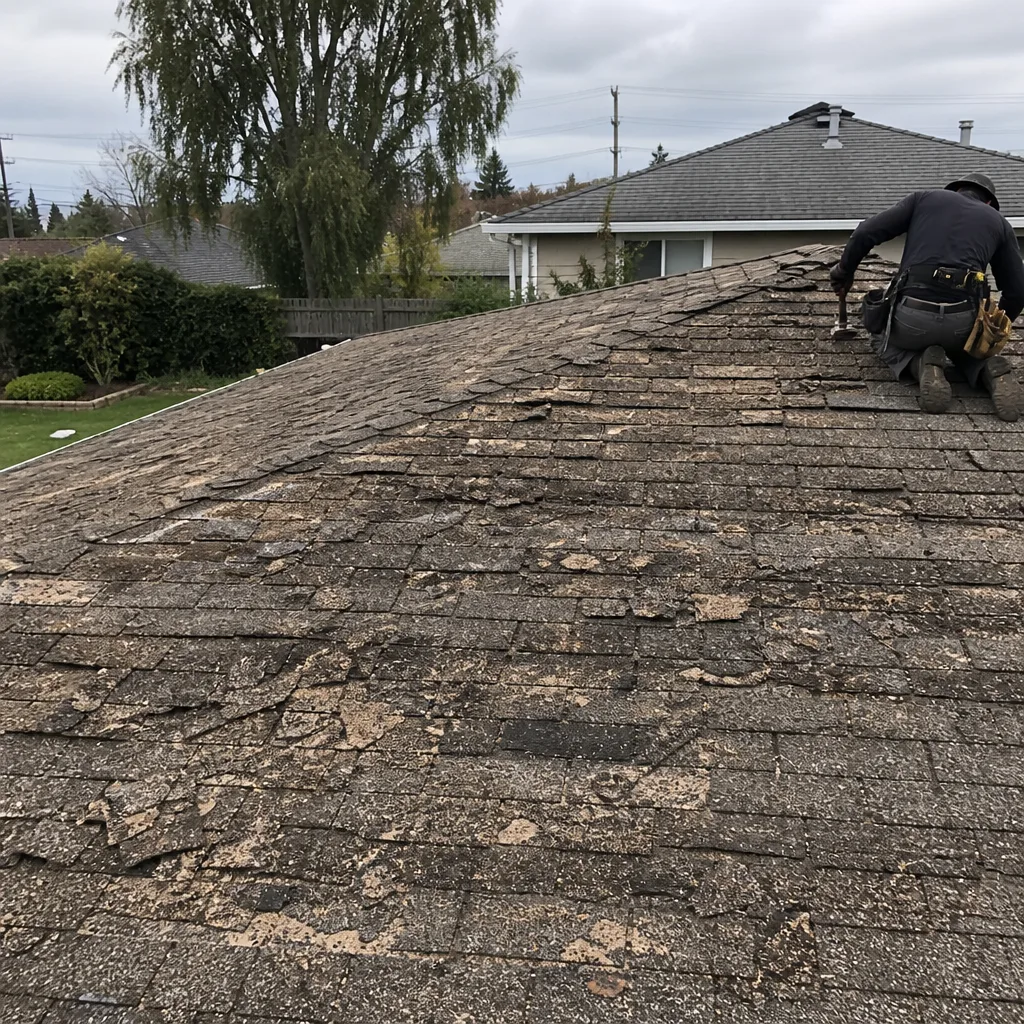 Before
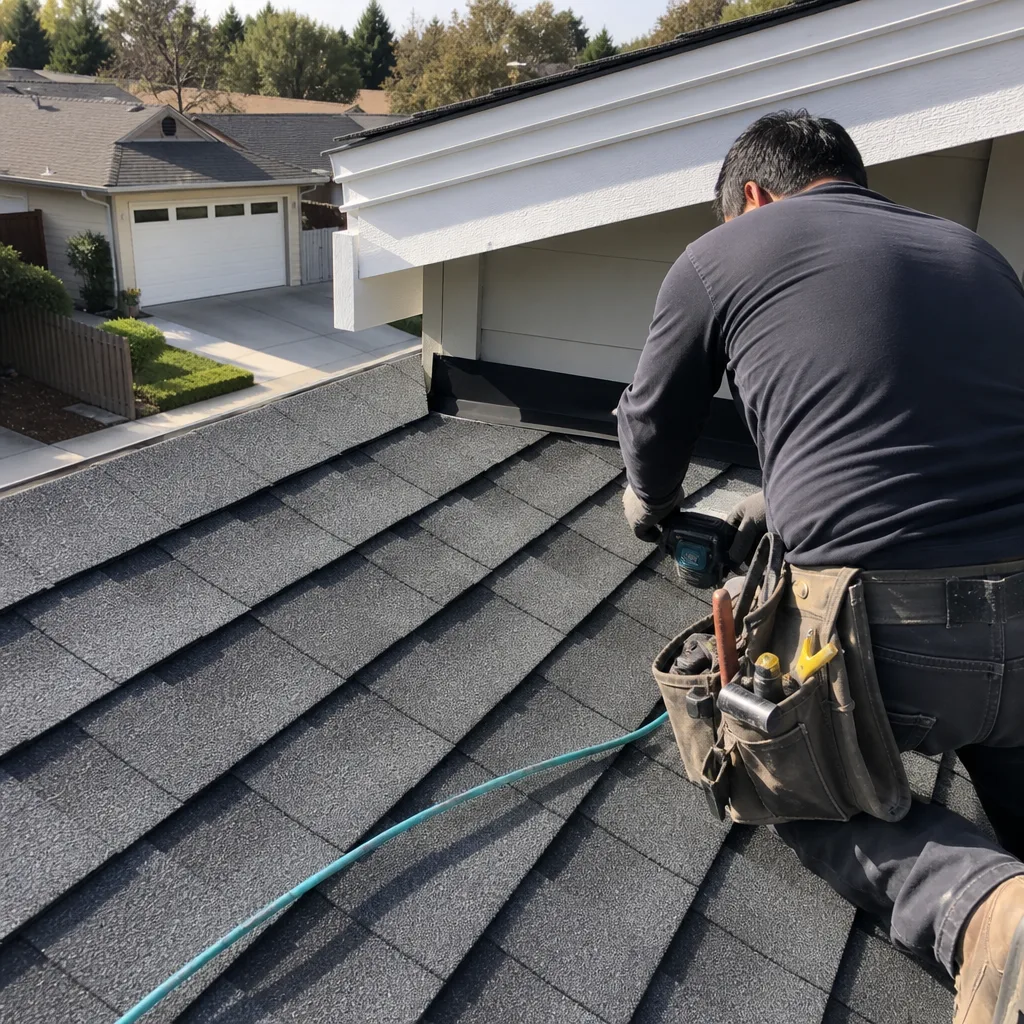 After
After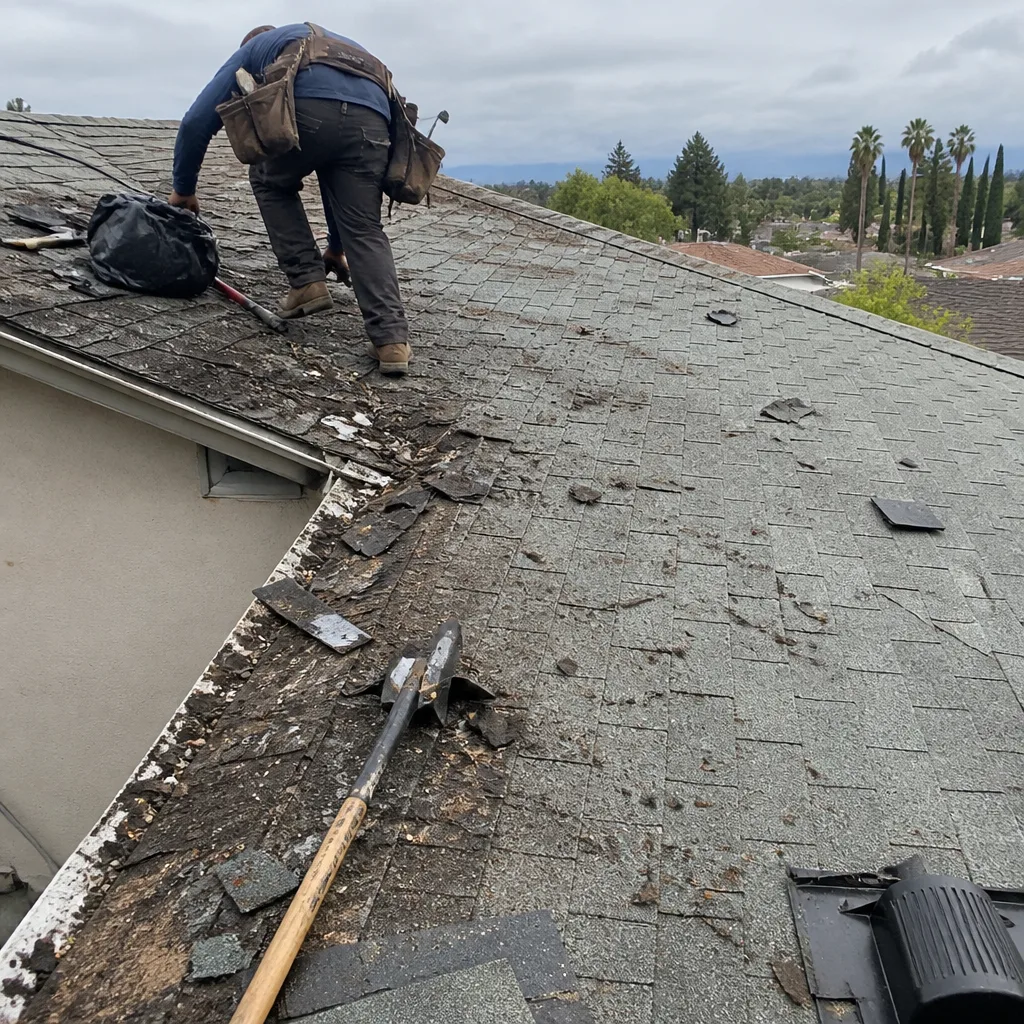 Before
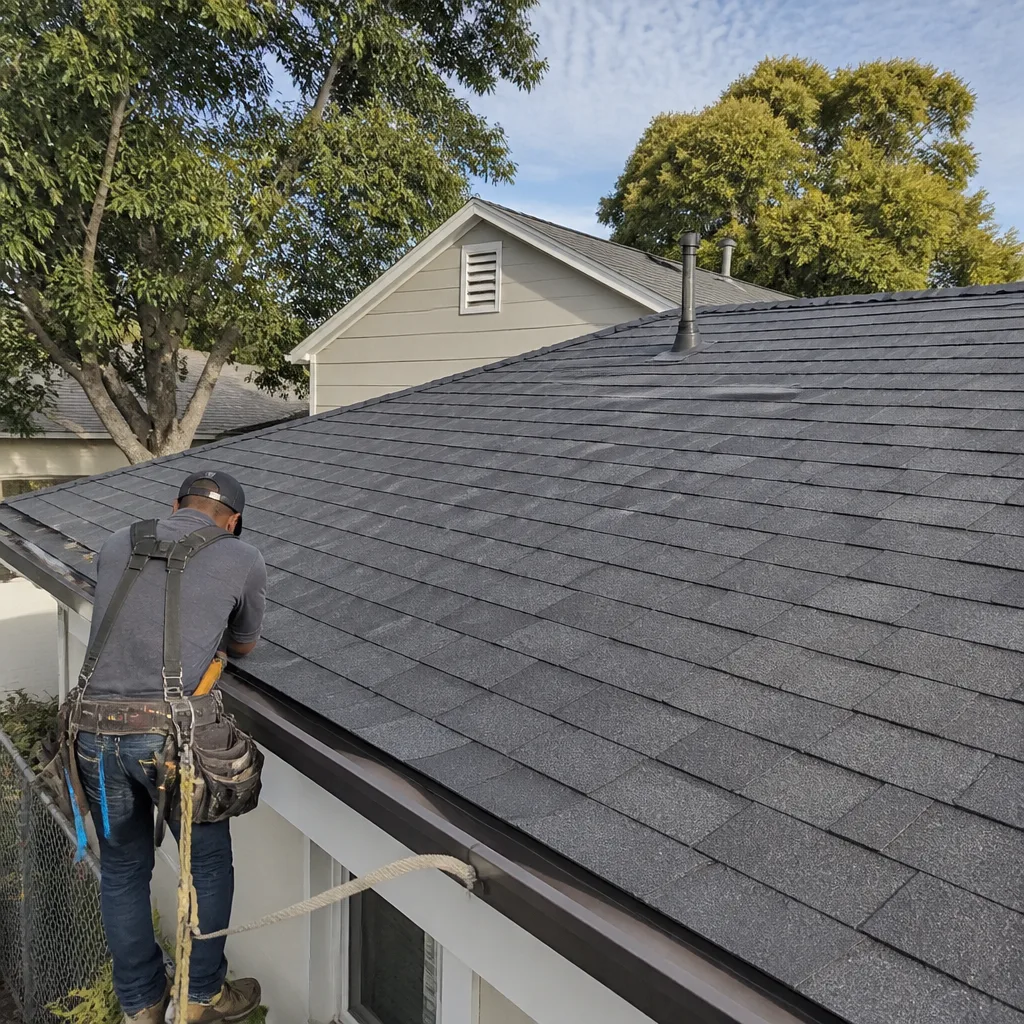 After
After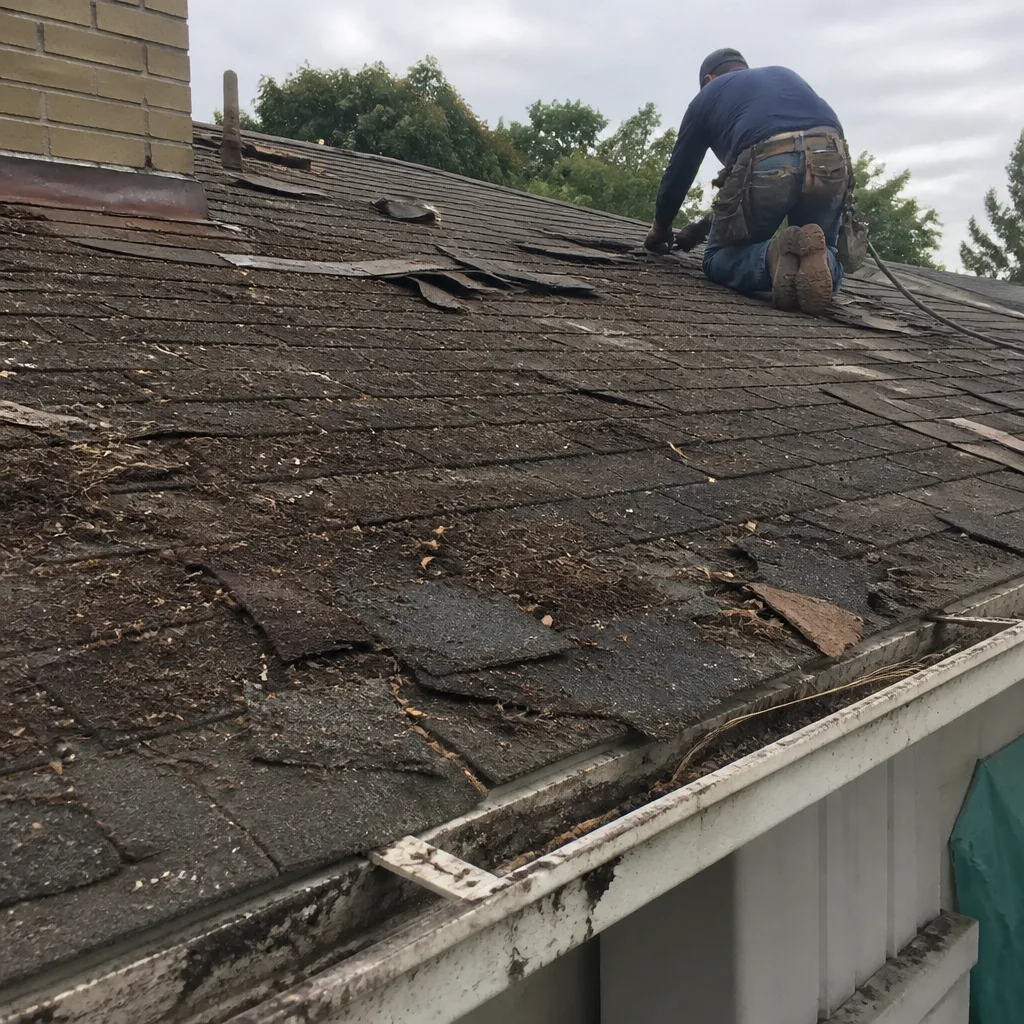 Before
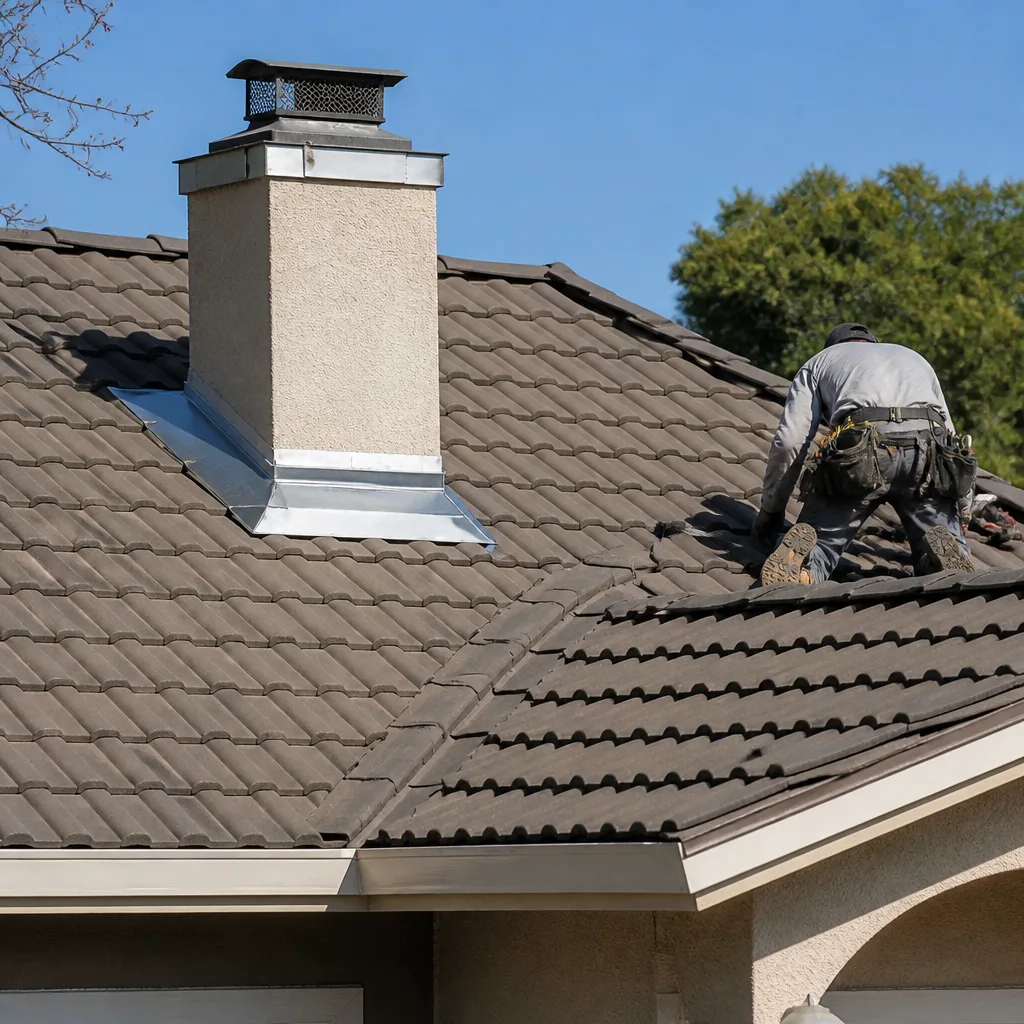 After
After