
Last updated October 17, 2026
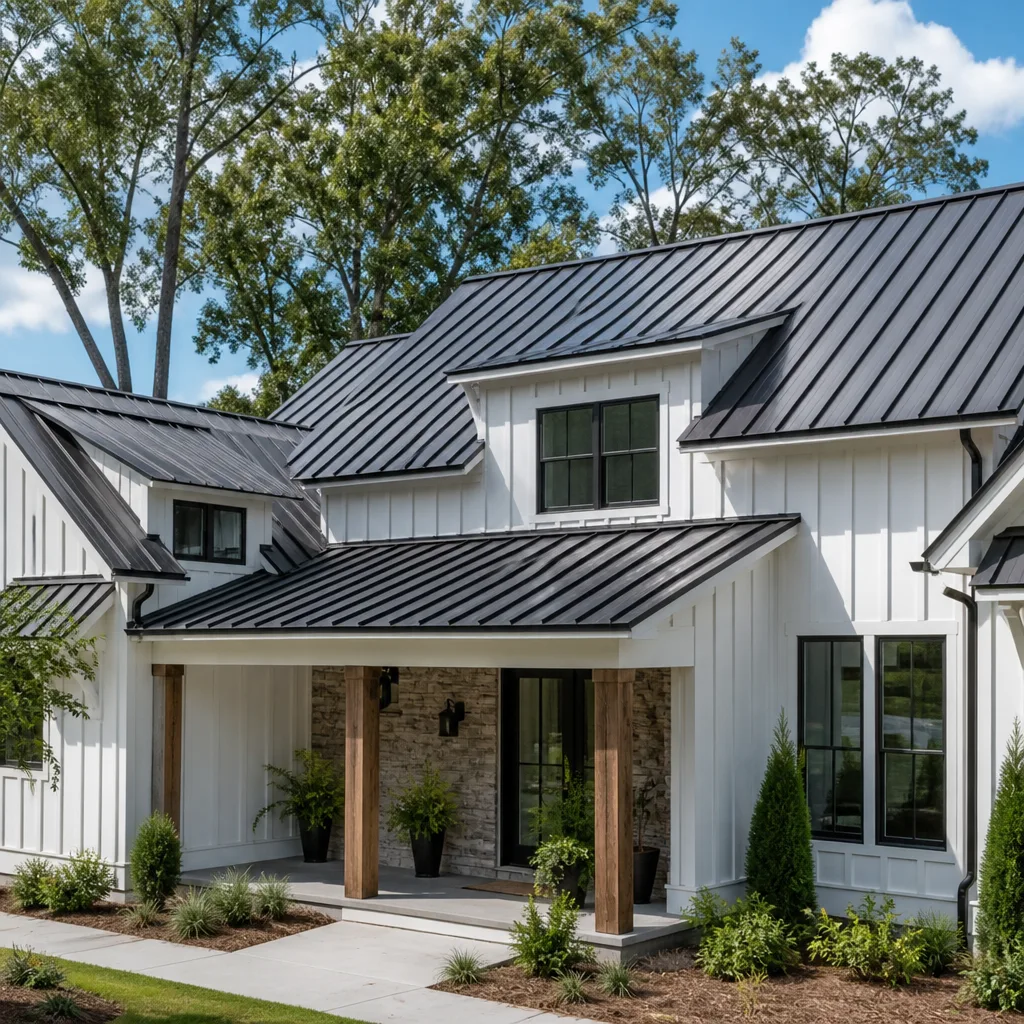 Metal roofing
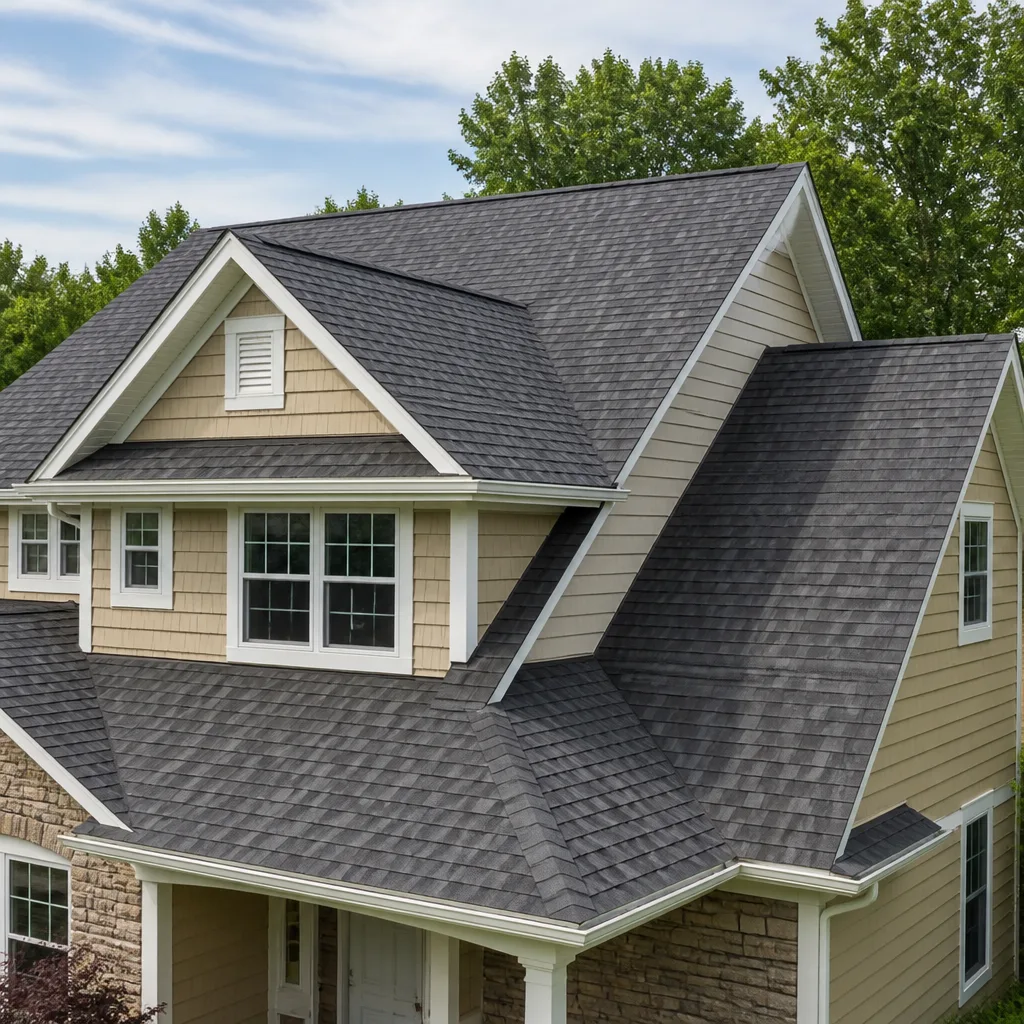 Architectural shingles
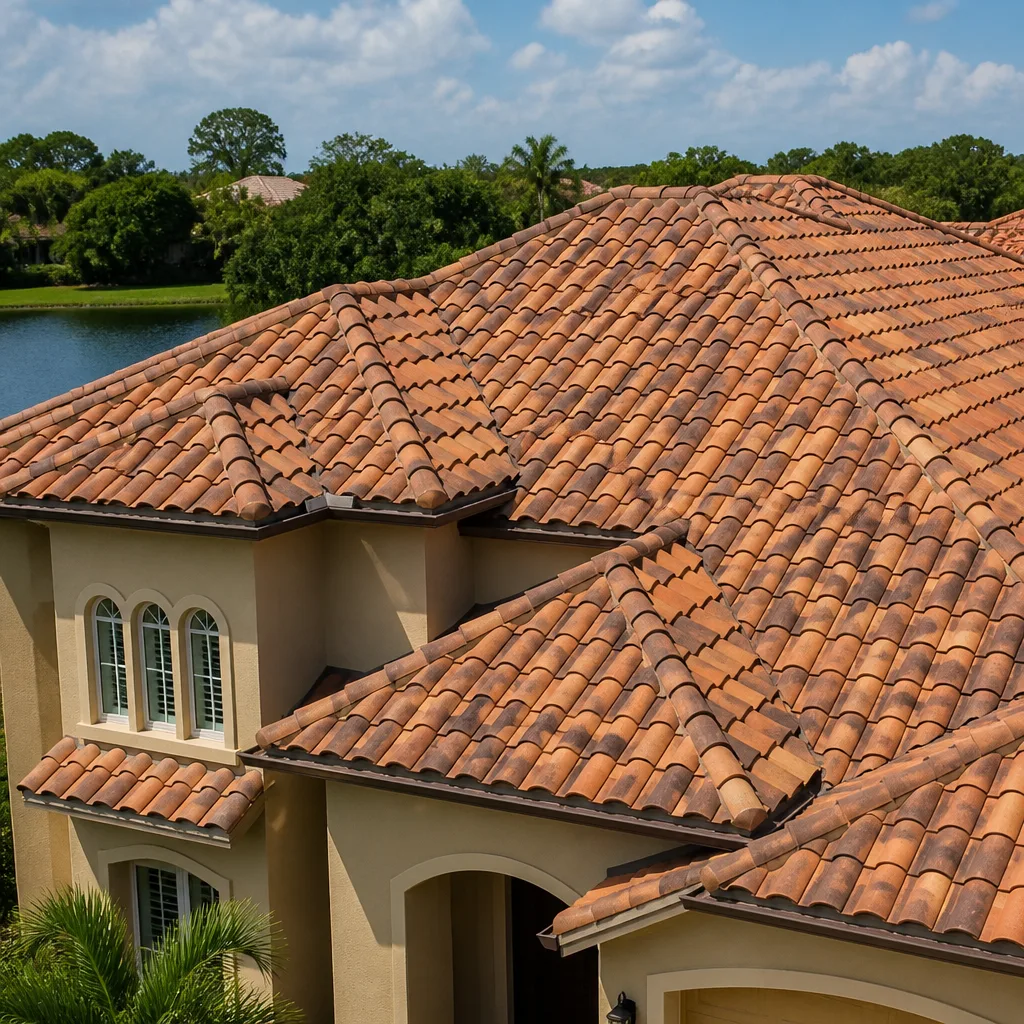 Tile roofing
 GAF
GAF Owens Corning
 Flat & low-slope
Free roof inspection with deck photos before we talk money - GAF and Owens Corning certified installation
Roofing Permits, Codes & Inspections in CA: What You Need to Know
A re-roof in San Jose that skips the permit process doesn’t just risk a stop-work order. It creates a material defect disclosure obligation when you sell, and title companies in Santa Clara County are now routinely flagging unpermitted roofing work during escrow. The transaction falls apart, the seller eats the cost of retroactive permits, or the buyer walks. This guide-along with our The Complete Guide to Roofing in San Jose-explains the three layers of California roofing regulation: state code, county amendments, and city overlays. You’ll learn which roofing scopes trigger a permit in San Jose, which are exempt, how inspections actually run, and what to do if you find unpermitted work from a previous owner.
Quick Answer
Most roofing work in San Jose, California requires a building permit from the City of San Jose Building Division, including full re-roofs, sheathing replacement, and structural repairs. Small repairs under 100 square feet of roofing area are generally exempt, along with minor patching that does not remove more than one layer of existing roofing. The permit triggers inspections at rough and final stages, and the entire process is governed by the California Building Code (CBC), CALGreen mandatory measures, and San Jose municipal code amendments. Call Brennan Roofing Co San Jose at (669) 238-2101 for help navigating your specific project.
Styles & brands we work with
Table of Contents
- Which Roofing Scopes Trigger a Permit in San Jose
- Exempt Roofing Work: The Square Footage and Layer Rules
- CALGreen Mandatory Measures for Re-Roofing
- The Inspection Sequence at City of San Jose Building Division
- How WUI Designation Changes Roofing Requirements
- Unpermitted Re-Roofs: The Retroactive Permit Process
- What Permits Cost and How Long the Process Takes
Which Roofing Scopes Trigger a Permit in San Jose
San Jose operates under the 2022 California Building Code with local amendments. The Building Division requires a roofing permit for any project that involves removing, replacing, or installing roofing materials on a roof area of 100 square feet or more. That is the trigger point most contractors misquote. It is not 50 square feet. It is not 150 square feet. The City of San Jose’s published threshold is 100 square feet of roof surface, measured in plan view, not along the slope. For a typical 2,000 square foot ranch home in Almaden Valley or Willow Glen, a full re-roof obviously clears that threshold by a wide margin. Even a partial re-roof over one side of a garage often exceeds 100 square feet once you account for the slope.
The permit list includes more than shingle replacement. Here is what actually triggers a permit in San Jose:
- Full re-roofs – removing all existing roofing layers and installing a new roof covering
- Partial re-roofs over 100 square feet – any section of roof meeting that area threshold
- Sheathing replacement – any replacement or structural repair of roof decking, plywood, or OSB
- Rafter or truss repair – structural framing work, including sistering cracked rafters
- Skylight installation or replacement – any penetration through the roof deck changes the waterproofing assembly
- Roof-mounted solar installations – these require combined building, electrical, and sometimes structural review
- Insulation retrofits above the roof deck – adding rigid insulation above sheathing changes the assembly and triggers review
What most homeowners miss is that the permit obligation is not just about the roof covering. If the underlayment, drip edge, flashing, or venting is being modified as part of the work, the permit covers that too. The inspector checks all of it. On older homes in the Rose Garden or Naglee Park neighborhoods, we see original 1950s roof assemblies with no underlayment at all. The permit scope covers the full assembly correction, not just a shingle swap.
Exempt Roofing Work: The Square Footage and Layer Rules
Not every roofing repair needs a permit in San Jose. The City’s exemption list is specific, and understanding it saves homeowners from paying for a permit when the work does not legally require one. The core exemption: repairs to existing roofing covering less than 100 square feet of roof area. That is a patch, not a section replacement. A leak repair around a plumbing vent in a Berryessa home, a torn section of ridge cap, or a few lifted shingles after a windstorm all fall under this exemption. The repair must not remove more than one layer of existing roofing. If you strip down to the decking, you have crossed out of the repair exemption and into permit territory.
Here is the exact language homeowners should know:
- Repairs under 100 square feet – patching, sealing, and isolated shingle replacement. No permit required.
- One-layer rule – permitted repair work cannot tear off more than one existing roofing layer. Two-layer removal requires a permit.
- Roof coating applications – applying a liquid-applied coating over an existing roof without removing any material is generally exempt.
- Gutter and downspout work – gutters, leaders, and downspouts attached to the fascia are not roofing permits and do not require a building permit.
- Flashing repair around vents and chimneys – replacing a flashing boot or resealing a pipe collar under 100 square feet does not require a permit.
There is a nuance that trips up even experienced contractors. If you do two separate repairs on the same roof within a short period, the Building Division considers the aggregate roof area. Fifty square feet in March and sixty square feet in April on the same home is not “under 100 square feet” if the inspector determines the work was part of one continuous project. We have seen this exact situation cited in San Jose. The safe practice is to pull a permit if the total disturbed area across the project will approach 100 square feet. That number is the line.
For the layer rule: California allows re-roofing over a single existing layer of shingles in some circumstances, provided the roof structure can support the added weight and the existing roof is in sound condition. San Jose follows this state standard. Two layers of existing shingles mean full tear-off before adding new material. Three layers is a red flag for structural overload and almost always requires full removal. Every roofing assembly has a dead load limit, and in San Jose’s seismic zone, those limits are taken seriously.
CALGreen Mandatory Measures for Re-Roofing
Here is the section most roofers have never read. CALGreen, the California Green Building Standards Code, is not just for new construction. It applies mandatory measures to re-roofing projects over a threshold area. For residential re-roofs, CALGreen Section 4.106 regulates solar readiness, and Section 5.106 addresses cool roofing requirements. In San Jose climate zone 4, cool roof requirements kick in for certain roof slopes and materials.
The CALGreen mandatory measures that apply to a typical San Jose re-roof include:
- Cool roof standards – for low-slope roofs, CALGreen requires a minimum aged solar reflectance of 0.55 and a thermal emittance of 0.75, or a minimum SRI of 64. For steep-slope roofs, the aged solar reflectance minimum is 0.20 and thermal emittance is 0.75, or a minimum SRI of 16. Most modern asphalt shingles in lighter colors meet the steep-slope standard. Dark architectural shingles often do not.
- Solar-ready zone requirements – CALGreen requires that new residential buildings set aside a roof area designated for future solar installation. This applies to new construction and substantial additions, not to every re-roof. But when a re-roof includes structural changes to the roof framing, the solar-ready zone provisions can apply.
- Attic ventilation and radiant barrier requirements – CALGreen mandates specific attic ventilation ratios in climate zone 4. A re-roof that changes the attic ventilation setup, such as converting from gable vents to ridge vents, must meet the current ventilation standards in the California Energy Code.
- Demolition waste diversion – CALGreen Section 4.408 requires that roofing tear-off waste be diverted from landfill where feasible. In San Jose, this means old asphalt shingles go to a recycling facility, not the general waste stream. Shingle recycling is available in Santa Clara County and the compliance is documented on the permit.
What does this mean in plain English? Your roofer cannot simply tear off your old shingles and nail on new ones. The new assembly must meet current energy and environmental standards, and the roofer must document that compliance. At Brennan Roofing Co San Jose, our written scope of work breaks out every CALGreen line item so homeowners can see exactly what is being done and why. A professional roof inspection before the project starts identifies which CALGreen measures will apply to your specific roof.
The Inspection Sequence at City of San Jose Building Division
San Jose’s inspection sequence is structured, and knowing it before work starts prevents the most common failure mode: rushing to tile-down before the inspector has cleared the rough work. The Building Division runs two primary inspections for most re-roofs. Depending on the scope, additional electrical, plumbing, or shear wall inspections may be required. Here is the sequence we follow on every permitted project in San Jose.
- Pre-inspection or site verification (sometimes required) – for complex re-roofs, additions, or structural work, the inspector may visit before any work begins to verify the existing conditions match the plans. For a straight re-roof, this inspection is often waived.
- Rough / underlayment inspection – after tear-off, after decking repair, and after underlayment installation but before any final roofing material is installed. The inspector checks: decking condition and attachment, underlayment type and lap coverage, flashing installation at penetrations and valleys, drip edge, and compliance with the approved plans.
- Final inspection – after the roofing material is fully installed, the inspector verifies: shingle alignment and nailing pattern, ridge cap installation, flashing completion, vent boot installation, and overall workmanship against code. The inspector also verifies that the job site is clean and that demolition waste was properly handled.
What the rough inspection looks for specifically: underlayment laps must be a minimum of 2 inches for synthetic and 4 inches for felt. Fasteners must be corrosion-resistant and spaced per manufacturer specs. Roof decking must be minimum 7/16-inch OSB or 1/2-inch plywood, and any damaged sections must be replaced before underlayment goes down. In the Evergreen and Blossom Valley areas where we work often, we see a lot of original 1/2-inch plywood from the 1980s that has delaminated at the edges. The inspector will flag every damaged sheet. That is not the roofer being picky. That is the inspector enforcing the code.
The most common inspection failure in San Jose is nailing through the underlayment without proper lap sequencing. The second most common is missing or improperly flashed roof penetrations. A third is insufficient attic ventilation per the Energy Code. None of these failures happen when the roofer knows exactly what the inspector will check. The checklist is not a secret.
How WUI Designation Changes Roofing Requirements
Some San Jose hillside properties fall within a designated Wildland Urban Interface (WUI) zone, and that designation changes the entire roofing assembly requirement. In a WUI zone, the roof covering must meet Class A fire resistance standards. A standard Class C asphalt shingle is not acceptable. A WUI-compliant roof assembly includes the covering, the underlayment, the flashing, the gutters, and the vents, all working together to prevent ember intrusion and surface ignition.
Here is what WUI designation changes for a San Jose homeowner:
- Roof covering must be Class A – most fiberglass asphalt shingles from manufacturers like GAF, CertainTeed, Owens Corning, and Atlas are Class A when installed over the proper underlayment. But the underlayment matters. A Class A shingle over bare wood decking may not meet the assembly rating in a WUI zone.
- Underlayment must be a rated barrier – the California Building Code Chapter 7A requires a fire-retardant underlayment in WUI zones. Standard 30-pound felt does not qualify. Homes with WUI designation need a Chapter 7A-listed underlayment product, which costs about $15 to $25 per square more than standard felt.
- Eave and cornice venting must be ember-resistant – standard open eave vents are a failure point. WUI assemblies require 1/8-inch to 1/16-inch mesh screening over all vents, or vent designs tested for ember resistance.
- Gutter guards and debris resistance – in WUI zones, the inspection may require gutter covers that prevent leaf and needle accumulation that could hold embers.
- Valley flashing requirements – valleys in WUI zones often require heavier-gauge metal flashing or hot-mopped construction per the approved plans.
How do you know if your property is in a WUI zone? The City of San Jose maintains a WUI map through the Planning Department. Properties in the East Foothills, parts of Evergreen, and the Santa Teresa hills are commonly flagged. The designation is tied to the parcel, not the structure. If the parcel is in the WUI, the roof assembly requirements apply even if you are just replacing shingles. Many roofers outside San Jose do not check the WUI map. We check it on every project before writing the scope of work. It changes the material spec, the permit plan set, and the final inspection checklist. Finding out at final inspection that you installed the wrong underlayment is a $2,000 to $5,000 correction, plus schedule delay.
Unpermitted Re-Roofs: The Retroactive Permit Process
We get this call every month. A homeowner buys a house, or goes to sell one, and discovers during escrow that the previous owner replaced the roof without a permit. The title company flags it. The buyer’s lender wants it resolved. The seller did not disclose it. The situation is common enough in San Jose that the Building Division has a defined process for it: the retroactive permit and inspection.
Here is how the retroactive process works in San Jose, step by step:
- Identify the work – determine the scope of the unpermitted roofing work. Was it a full re-roof? A section replacement? A layer added over existing shingles? A roof inspection can determine what was done and when, based on material brands, weathering, and installation patterns.
- Prepare a permit application – the Building Division accepts retroactive permit applications for roofing work. The application includes a description of the completed work, the roofing assembly details, and the date the work was performed if known.
- Submit plans if required – for simple re-roofs, a permit application may not need stamped plans. For structural repairs, WUI properties, or modified assemblies, the city may require a California-licensed engineer or architect to evaluate the assembly.
- Pay the permit fees plus any penalty – San Jose does not automatically charge a penalty for retroactive permits. The standard permit fee applies. However, if the work required structural review or created a code violation, additional fees may apply. The Building Division evaluates each case individually.
- Schedule the inspection – an inspector visits and verifies the existing roof assembly against the permit documents. If the roof meets current code, the permit is finalized. If it does not, the inspector issues a correction list.
- Resolve corrections – most retroactive inspections on old roofs reveal code deficiencies: missing underlayment, improper fastening, inadequate flashing. These must be corrected before the permit closes. The correction work is a separate project with its own scope and cost.
The cost of a retroactive permit in San Jose runs roughly $300 to $800 depending on the scope and valuation, plus any correction work. The correction work is the wild card. If the previous owner skipped the underlayment, the entire roof may need a tear-off and rebuild. That is a $12,000 to $18,000 project for a typical 2,000 square foot home in San Jose, not a $500 paperwork fix. The lesson is not that permits are optional paper. The lesson is that the paper protects the assembly.
Roof repair work done without a permit can be corrected, but the process is faster and cheaper when a licensed contractor handles the retroactive permit as part of the repair scope. We have walked San Jose homeowners through this process on properties in Cambrian, Japantown, and the Alum Rock corridor. The sooner you start, the sooner the title issue clears.
What Permits Cost and How Long the Process Takes
San Jose Building Division roofing permits are relatively inexpensive compared to the cost of the roof itself. The permit fee is based on the project valuation, which is the fair market value of the roofing work including labor and materials. For a typical residential re-roof, that valuation runs $10,000 to $25,000. The permit fee calculation multiplies the valuation by the city’s fee schedule rate, which produces a permit cost in the range of $250 to $600 for most homes. Additional plan check fees apply if structural review is required. The total permit cost for a standard re-roof in San Jose typically lands between $300 and $800.
Here is the cost breakdown homeowners should expect:
- Building permit fee – $250 to $600 depending on project valuation
- Plan check fee (if structural review required) – $150 to $400
- Inspection fees – included in the permit fee for standard re-roofs
- Retroactive permit surcharge (if applicable) – $0 to $300 depending on case review
- Total typical range – $300 to $800 for a standard permitted re-roof in San Jose
How long does the process take? For a straightforward re-roof with no structural changes, the permit can be issued over the counter or within one to three business days if the application is complete. Projects requiring structural review, WUI compliance, or engineering documentation take longer, typically two to six weeks from submittal to permit issuance. The physical work itself runs three to five days for a standard single-family re-roof with a full tear-off, depending on the crew size and the complexity of the roof geometry. Roofs with multiple valleys, steep pitches, or heavy flashing details take longer. The inspection adds one to two days to the calendar if scheduled ahead. Most San Jose re-roof projects, from permit application to final inspection, complete within two to eight weeks depending on plan review timing; see our Seasonal Roofing Care for San Jose: Year-Round Homeowner’s Guide for timing considerations.
At Brennan Roofing Co San Jose, the permit is included in every written proposal, and you can find more guides & resources on our blog. We handle the application, the plan check, and the inspection scheduling. You are never left to navigate the Building Division alone. Travis Oakley has been shepherding San Jose roofing projects through this process since 2000.
Common Mistakes to Avoid
- Skipping the permit on a re-roof because the roofer says it’s not needed. Any roofer telling you a full re-roof in San Jose does not need a permit is wrong, and that error becomes your title defect at resale. A licensed contractor who skips permits is cutting costs on your back.
- Assuming the square footage exemption covers your repair. The 100-square-foot exemption is measured in plan view. A pitched roof section that looks small from the ground can easily exceed 100 square feet once measured along the slope. Measure it, do not eyeball it.
- Installing dark shingles on a low-slope roof without checking CALGreen compliance. Dark architectural shingles on a low-slope San Jose roof may fail the cool roof standards, forcing a rework or a variance application after the fact. Select the shingle color and product after checking the CALGreen requirements, not before.
- Closing the roof before the rough inspection. The underlayment, flashing, and decking must be inspected before the final roofing goes on. Nail down shingles too early and you will be pulling them back off. The City of San Jose inspector will not sign off on work they cannot see.
- Ignoring WUI requirements on hillside properties. The East Foothills, Evergreen hills, and Santa Teresa hills parcels have WUI overlays that change the required roofing assembly. A standard roofing quote from a flatlands contractor will not include the Chapter 7A underlayment and ember-resistant venting that the inspector will require.
- Hiding a previous owner’s unpermitted re-roof from a buyer. Failure to disclose unpermitted roofing work in a California real estate transaction is a legal exposure, not just a negotiation issue. The retroactive permit process exists. Use it before listing.
- Using a contractor who does not write the price down before starting. A verbal price is not a price. In San Jose, roofing projects routinely involve permit fees, inspection scheduling, and material changes. A written scope of work protects you when the inspector asks questions and the roofer wants to charge extra for the corrections.
See the difference
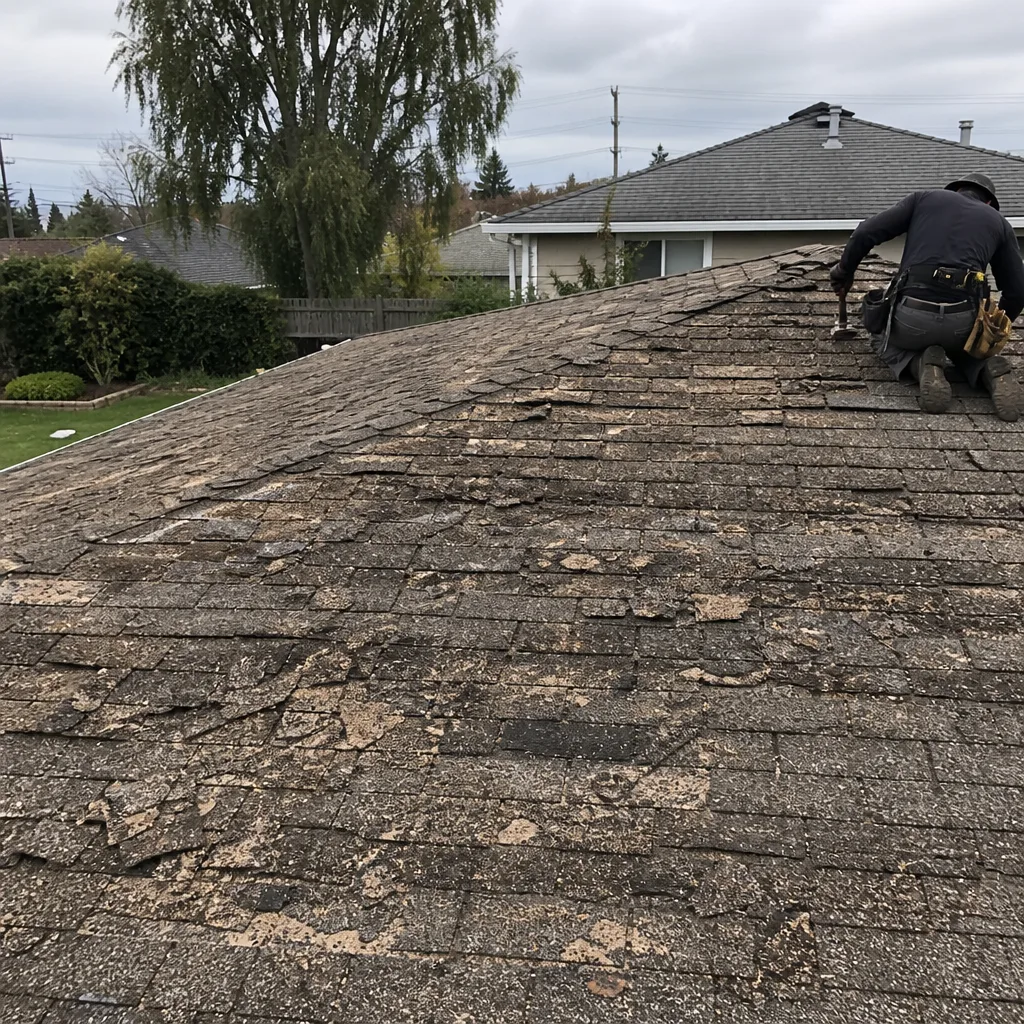 Before
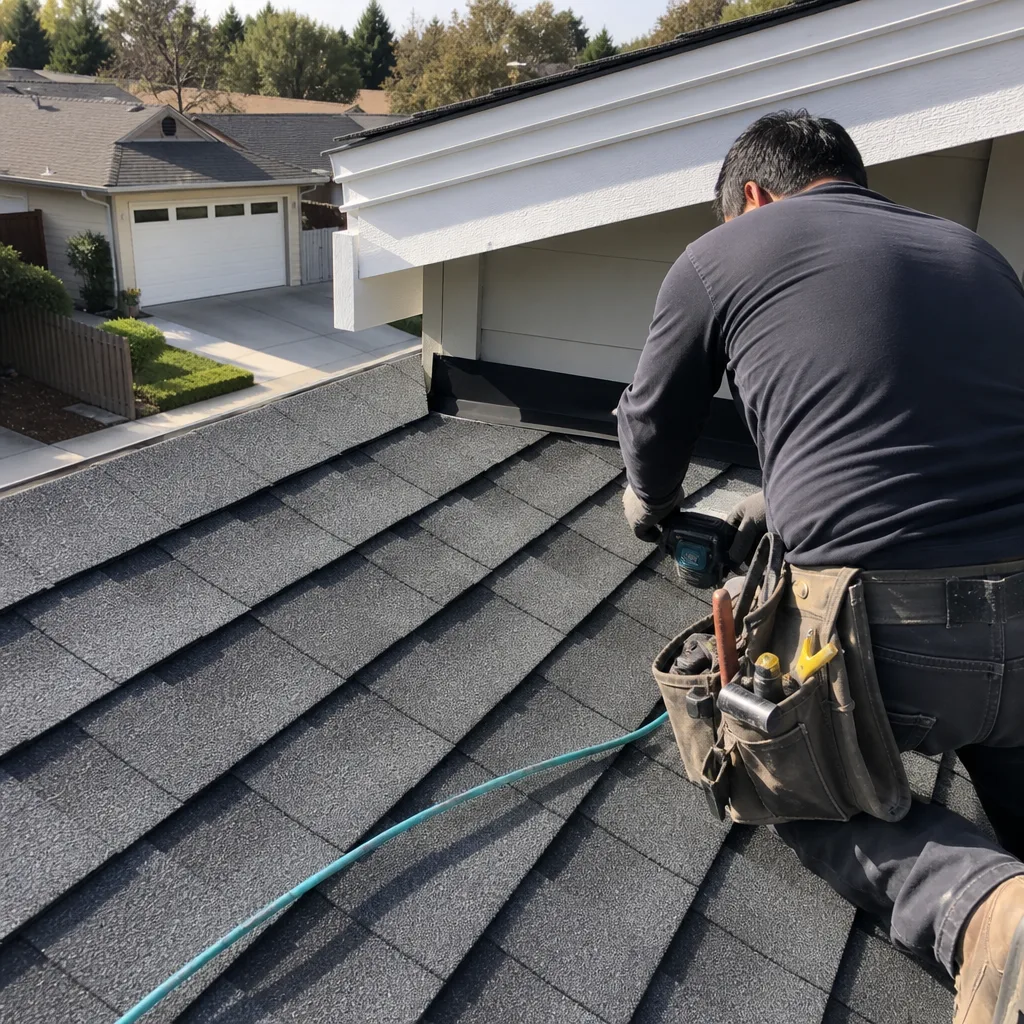 After
After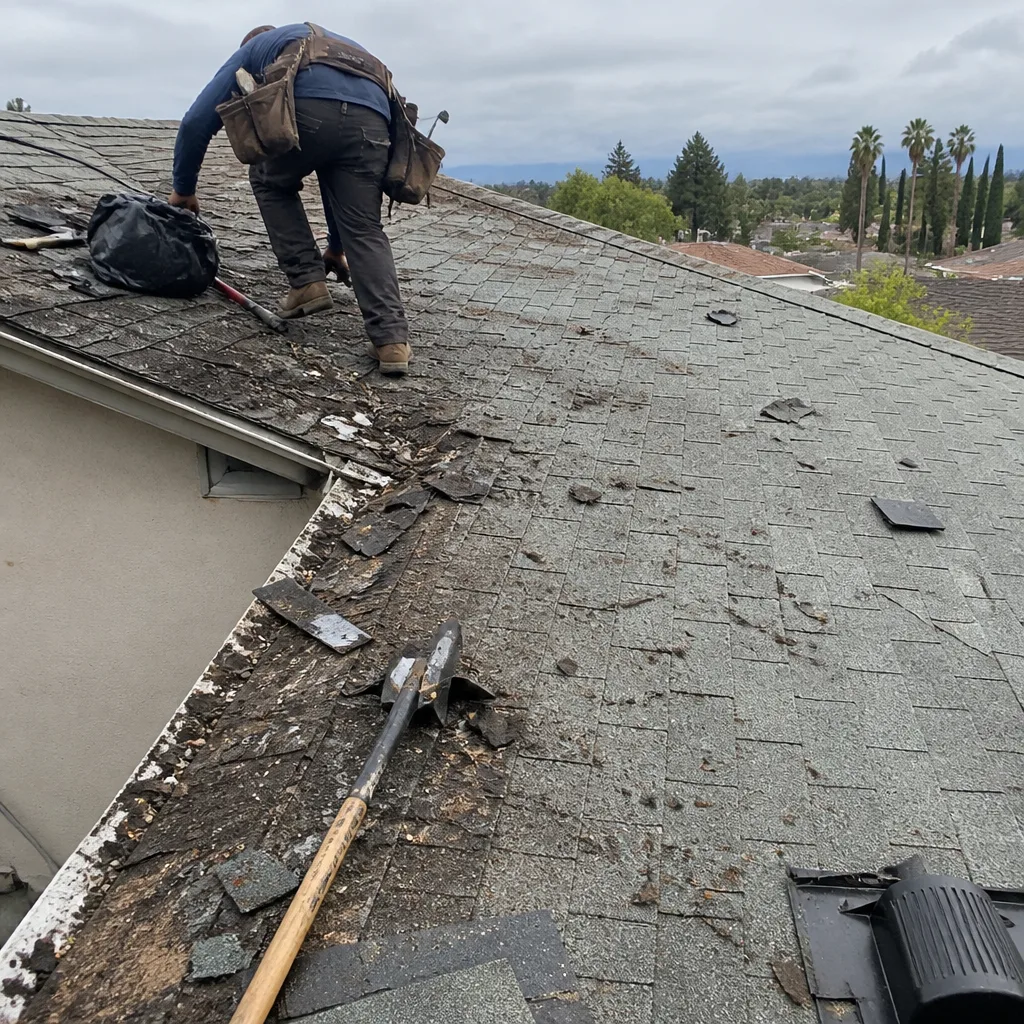 Before
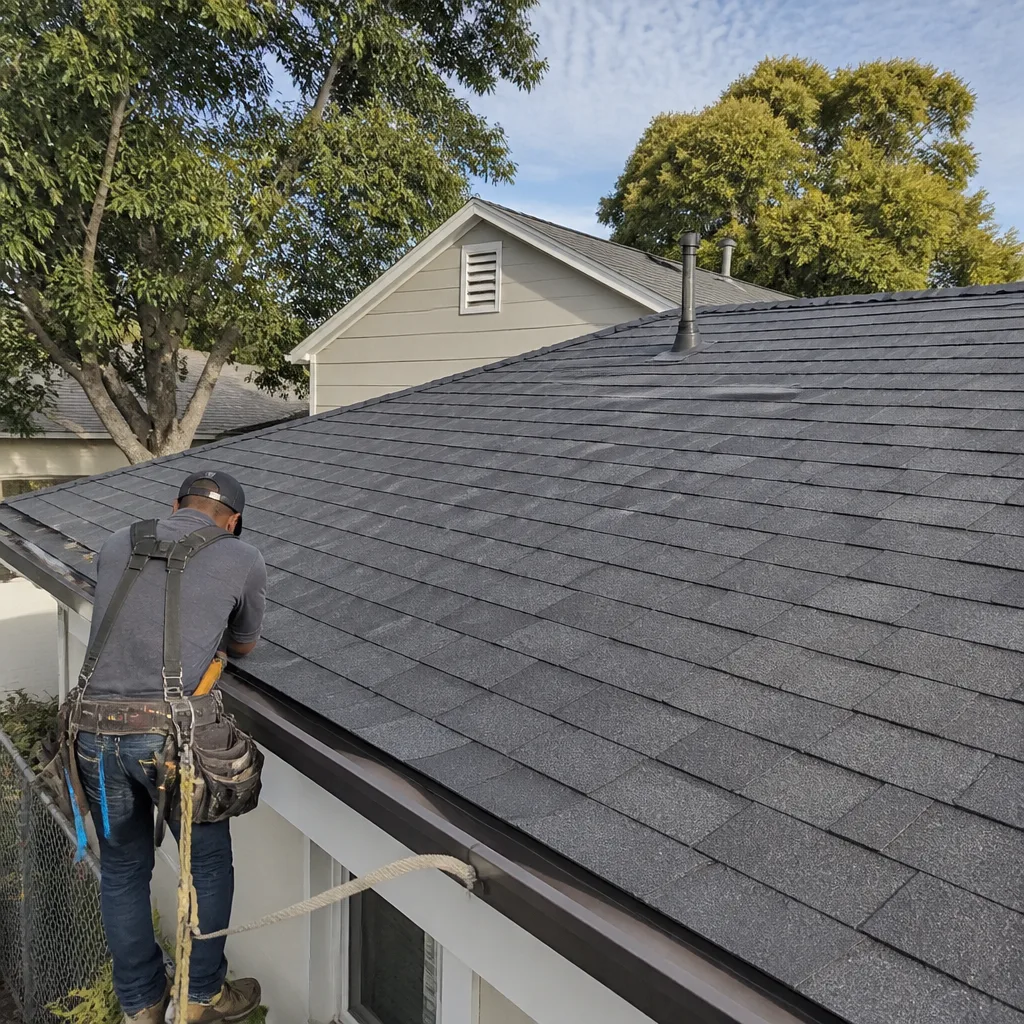 After
After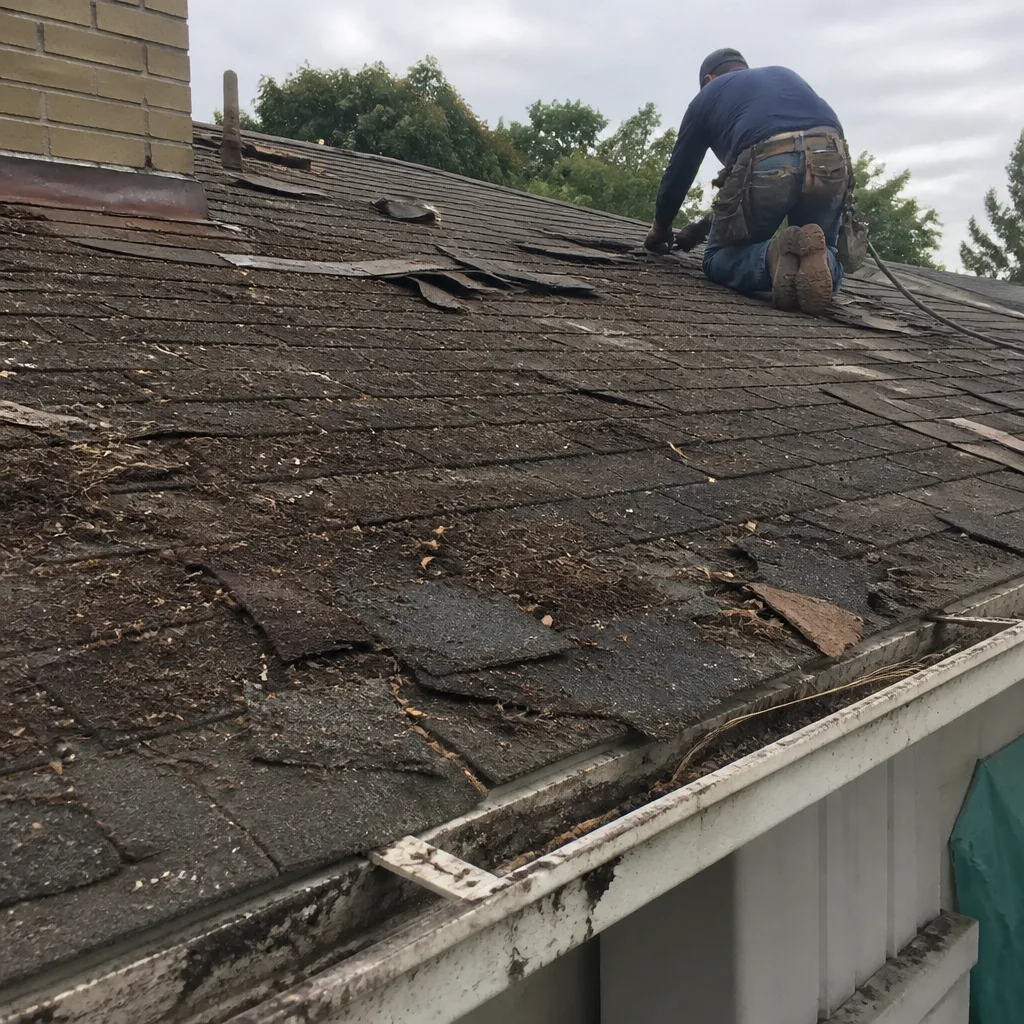 Before
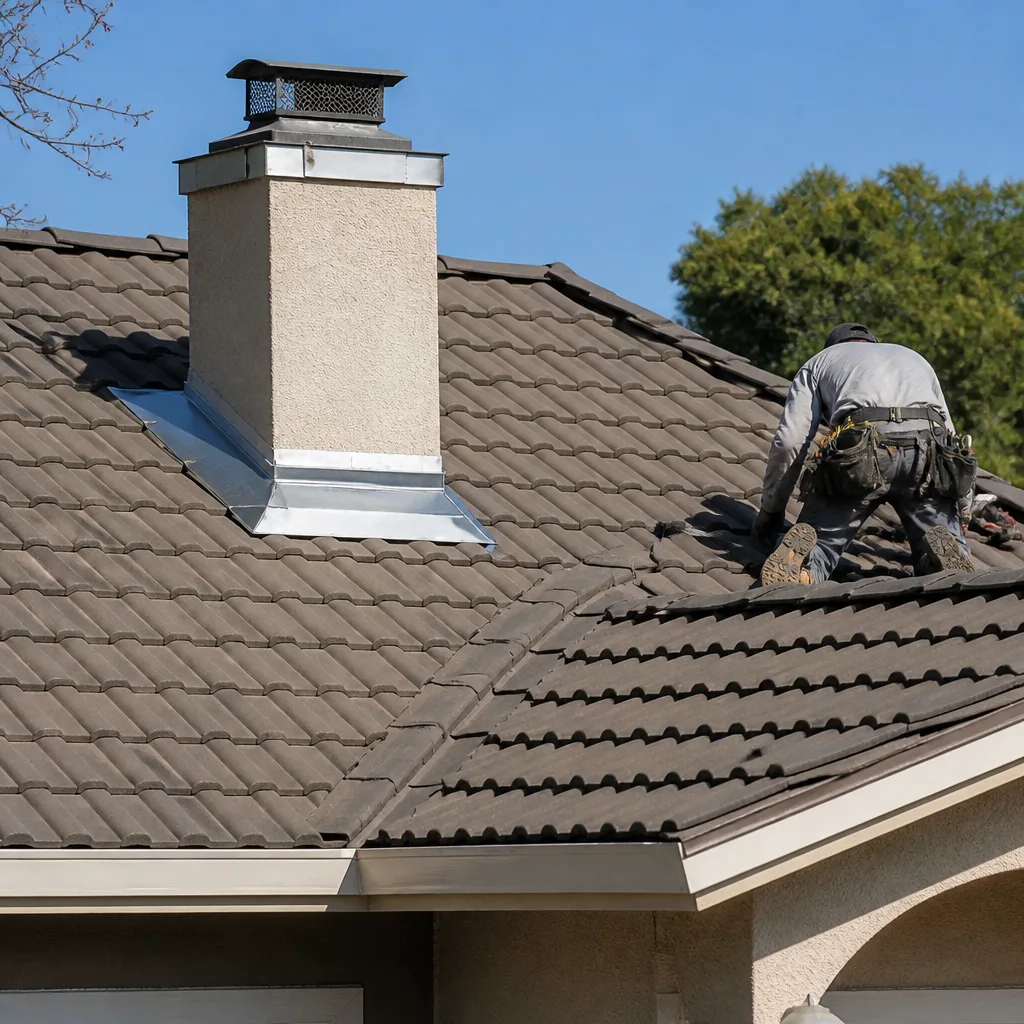 After
AfterWhen to Call a Professional
If your project involves a full re-roof, structural repair, WUI compliance, or a retroactive permit, you need a licensed contractor who knows San Jose’s specific process. A handyman cannot pull a roofing permit, cannot sign the project valuation, and cannot stand behind the assembly when the inspector walks the roof. If you have discovered unpermitted work from a previous owner, a professional can assess the condition, prepare the retroactive permit application, and complete the correction work to close the permit. Homeowners who try to navigate the Building Division without experience spend weeks on paperwork that a professional handles in days. Brennan Roofing Co San Jose offers free estimates in San Jose, with the price written down before any work starts. Call (669) 238-2101 to schedule yours.
Frequently Asked Questions
Yes, replacing a roof in San Jose requires a building permit from the City of San Jose Building Division whenever the roof area exceeds 100 square feet. That threshold captures virtually every full re-roof and most partial replacements in the city. Call (669) 238-2101 for help determining if your specific project needs a permit.
An unpermitted re-roof in California creates a material defect disclosure obligation when you sell the property, and title companies in Santa Clara County routinely flag unpermitted roofing work during escrow. You can correct the situation through the retroactive permit process, but any code deficiencies identified during inspection must be fixed before the permit closes.
A roofing permit in San Jose typically costs between $300 and $800 for a standard residential re-roof, including the building permit fee and any plan check charges. The exact fee depends on the project valuation, which is the total cost of labor and materials. Call (669) 238-2101 for a written estimate that includes the permit fee.
A WUI or Wildland Urban Interface zone is a designated area where roofing assemblies must meet Class A fire resistance standards under California Building Code Chapter 7A. Properties in the San Jose East Foothills, parts of Evergreen, and the Santa Teresa hills are commonly flagged as WUI zones. The designation is tied to the parcel, and the City of San Jose maintains a WUI map through the Planning Department.
California allows re-roofing over one existing layer of shingles in some cases, provided the roof structure can support the added weight and the existing roof is sound. Two or more existing layers require full tear-off before new material installation. San Jose follows this state standard, and every overlay project should include a structural load check first.
CALGreen mandatory measures apply to re-roofing projects in San Jose, including cool roof standards for certain roof slopes, attic ventilation requirements, and construction waste diversion requirements. A qualified roofing contractor should identify which CALGreen sections apply to your project and document compliance on the permit. Call (669) 238-2101 for a free estimate with CALGreen compliance included.
The Bottom Line
San Jose’s roofing permit system runs on three layers: state building code, CALGreen mandatory measures, and city-specific overlays like WUI designation and local inspection practice. The permit threshold is 100 square feet in plan view. The inspection sequence runs rough then final, and skipping the rough inspection is the most common avoidable failure. Unpermitted work creates a title defect. CALGreen changes the material spec. WUI designation changes the entire assembly. The permit process in San Jose is not bureaucratic friction. It is the documentation that the roof was built to a standard someone will inspect, and that is the roof you want when you sell. Brennan Roofing Co San Jose writes the price down before any work starts. Call (669) 238-2101 for your free estimate.
Written by Travis Oakley, Owner at Brennan Roofing Co San Jose, serving San Jose since 2000.