
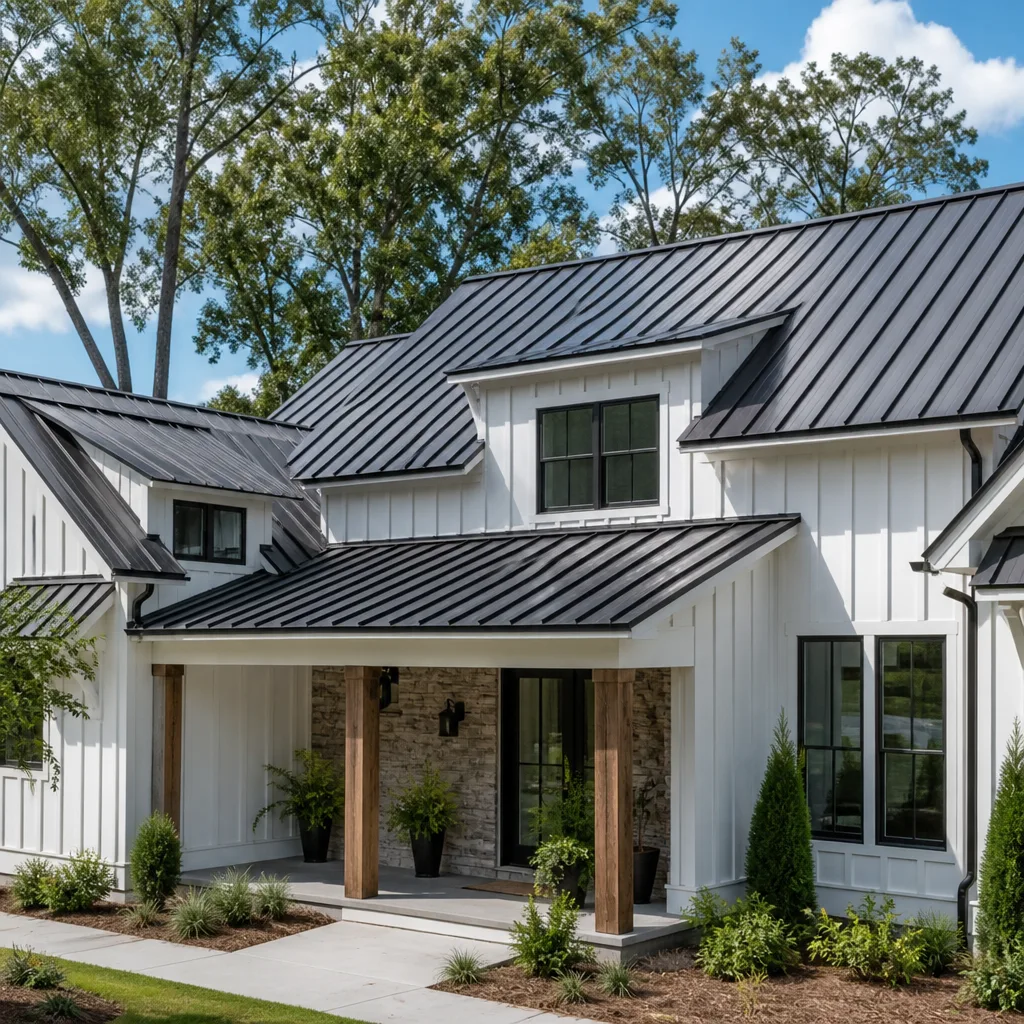
 Metal roofing
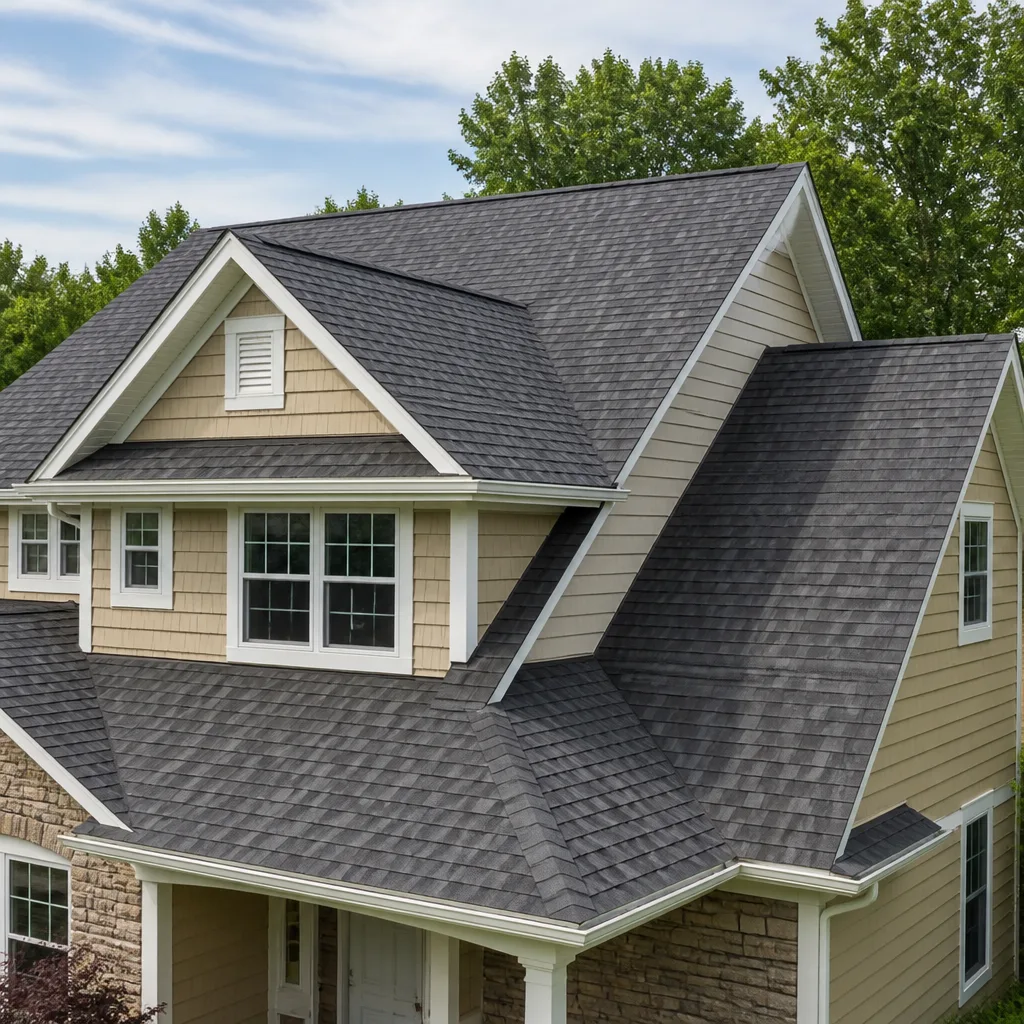 Architectural shingles
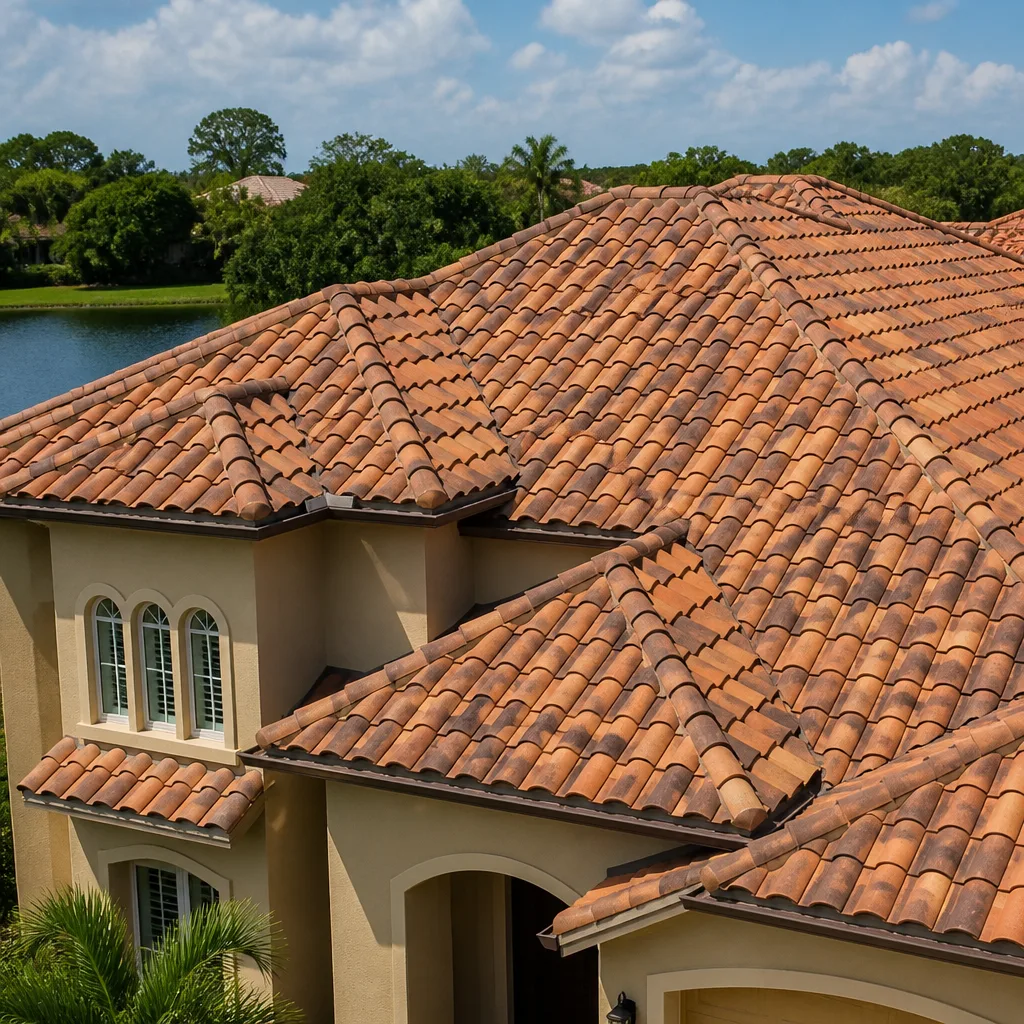 Tile roofing
 GAF
GAF Owens Corning
 Flat & low-slope
Free roof inspection with deck photos before we talk money - GAF and Owens Corning certified installation
Atlas Flashing Replacement: The San Jose Owner’s Guide
Atlas flashing replacement in San Jose typically runs $380 to $850 installed, depending on the flashing type, roof pitch, and access. We stock Atlas-compatible flashing on our trucks, and most replacements are completed the same day we arrive. Owners usually discover a flashing problem after a rainstorm: a water stain on the ceiling, damp drywall near a chimney, or granules collecting in a gutter below a wall intersection. Flashing fails quietly, and by the time you see the stain inside, water has usually been working its way through for weeks.
Which Atlas Models This Applies To
This page covers flashing replacement for Atlas roof systems across the board: Pinnacle, StormMaster Shake, GlassMaster, and the Atlas HP line. Flashing itself isn’t model-specific the way shingles are. What matters is the flashing material, gauge, and profile. Atlas roofs in San Jose commonly use galvanized steel or aluminum step flashing at wall intersections, and either galvanized or painted steel at chimneys and skylights. The compatibility gotcha most homeowners miss is gauge: Atlas installation specs call for minimum 26-gauge flashing at penetrations. Thinner hardware-store flashing, usually 28 or 30 gauge, corrodes faster here, especially within a few miles of the bay where salt air works on metal year-round. When we replace flashing on an Atlas roof, we match the gauge and material to the existing system, not whatever is cheapest on a shelf. For OEM versus aftermarket: Atlas manufactures flashing accessories, but the honest answer is that quality aftermarket flashing from a manufacturer like Oatey or Gibraltar, cut and bent correctly, performs just as well at a better price. We’ll show you both options and write the price down before any work starts.
Styles & brands we work with
Signs Your Atlas Flashing Replacement Is Failing
- Water staining on ceilings or walls after rain. This is the most common first sign. Water travels along roof sheathing before it drips, so the stain may be several feet from the actual flashing failure. The underlying cause is usually a broken seal between flashing and shingle, or a rusted-through section of metal.
- Granules collecting in gutters below a chimney or wall intersection. Atlas shingles shed granules as they age, but a concentrated pile below a flashing point suggests water running under shingles and washing granules loose. The flashing isn’t shedding water away from the roof joint; it’s funneling it underneath.
- Visible rust, cracks, or lifting at flashing joints. Walk the perimeter of your roof with binoculars if you can’t get close. Flashing that has pulled away from the chimney or wall, or shows orange rust streaks, has already started failing. In San Jose’s wet winters and hot summers, metal expands and contracts constantly. Old caulk seals dry out and crack.
- Damp attic insulation or dark streaks on roof sheathing. If you have attic access, look around chimneys, skylights, and where roof meets wall. Dark staining on the wood tells you water has been getting past flashing for a while, even if you haven’t seen a ceiling stain yet.
- Moss or algae growth concentrated at a roof joint. Moss grows where water lingers. A green strip along a wall intersection or around a chimney means water isn’t draining off cleanly. On San Jose roofs with partial shade, this is often the first visible sign of a flashing problem.
See the difference
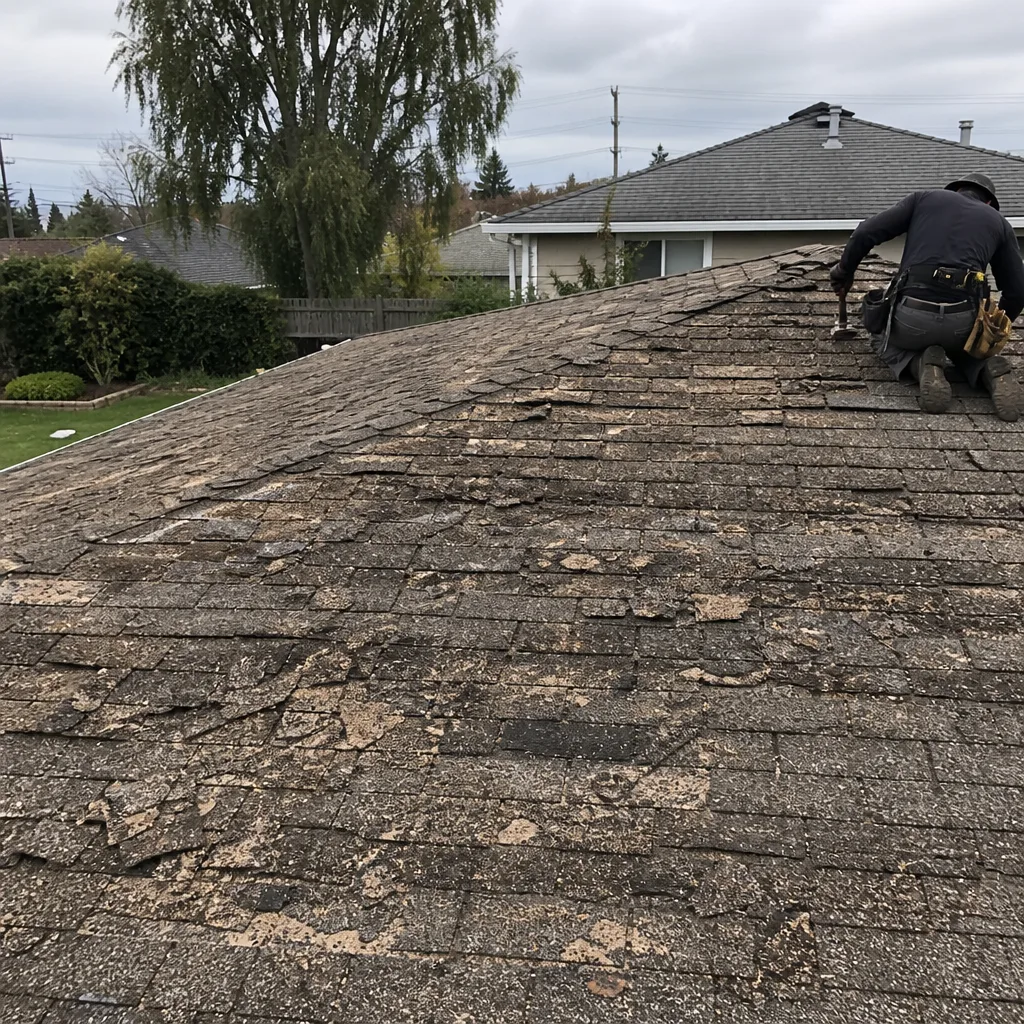 Before
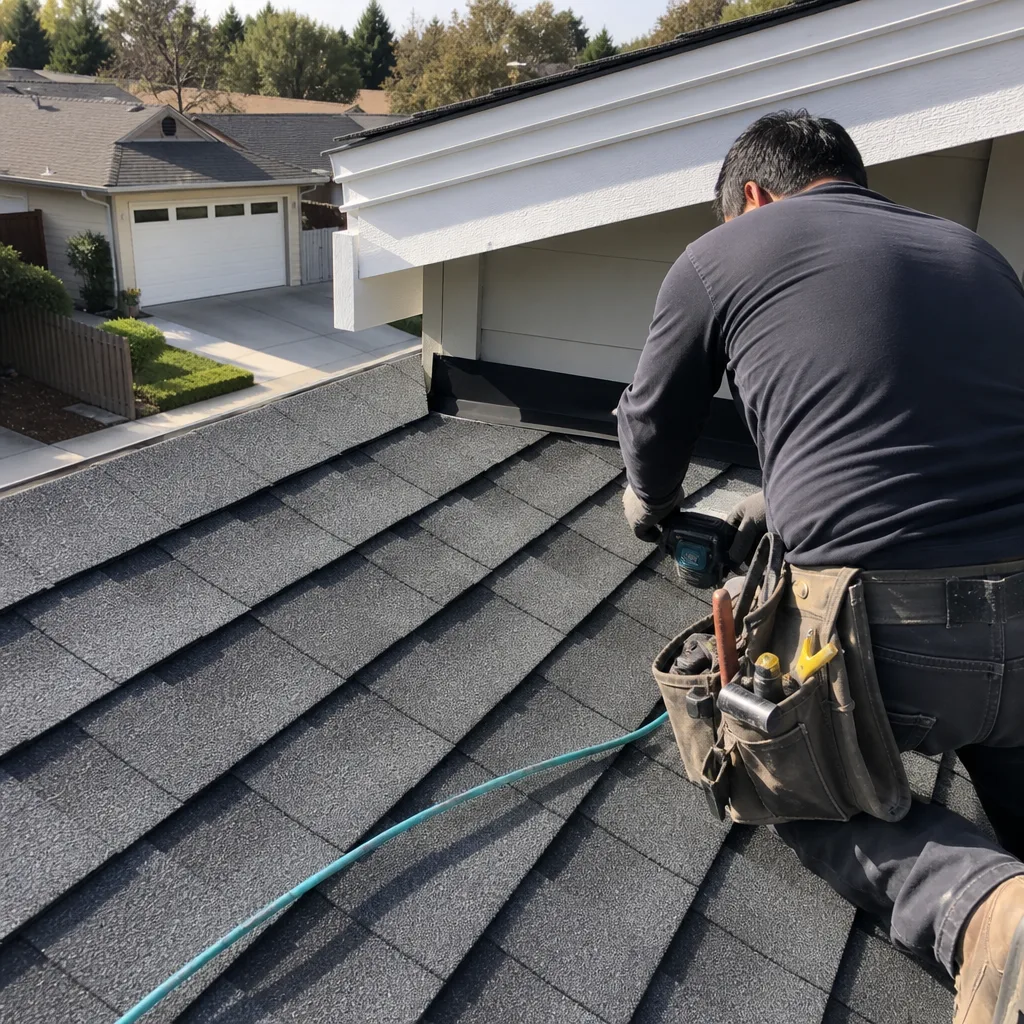 After
After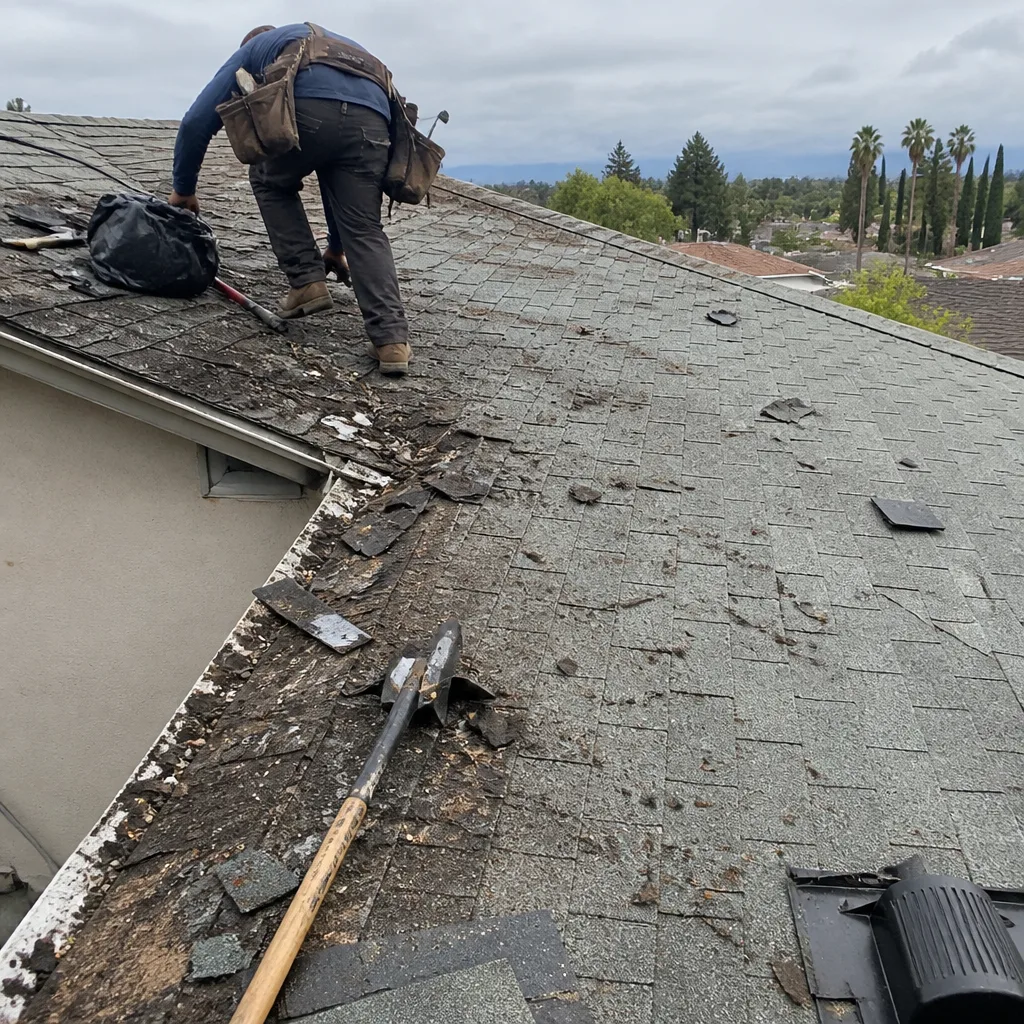 Before
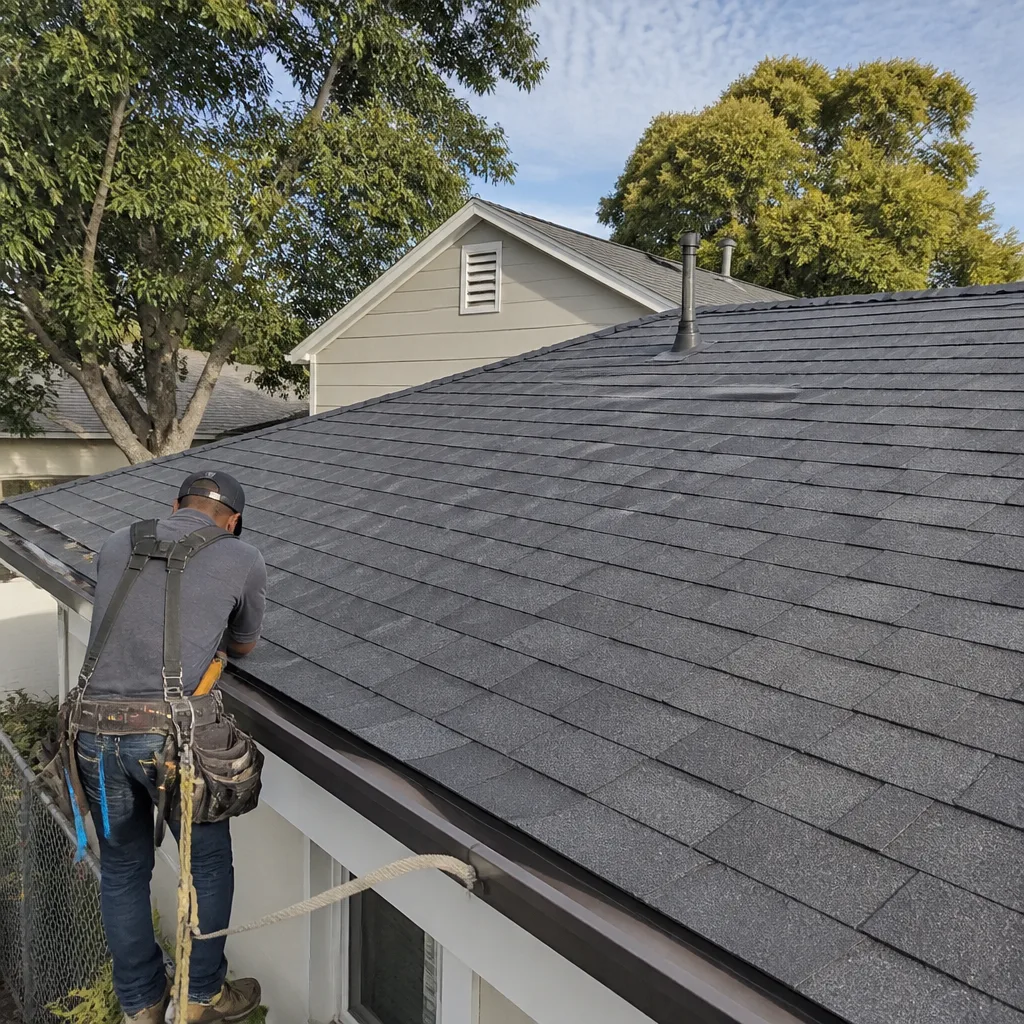 After
After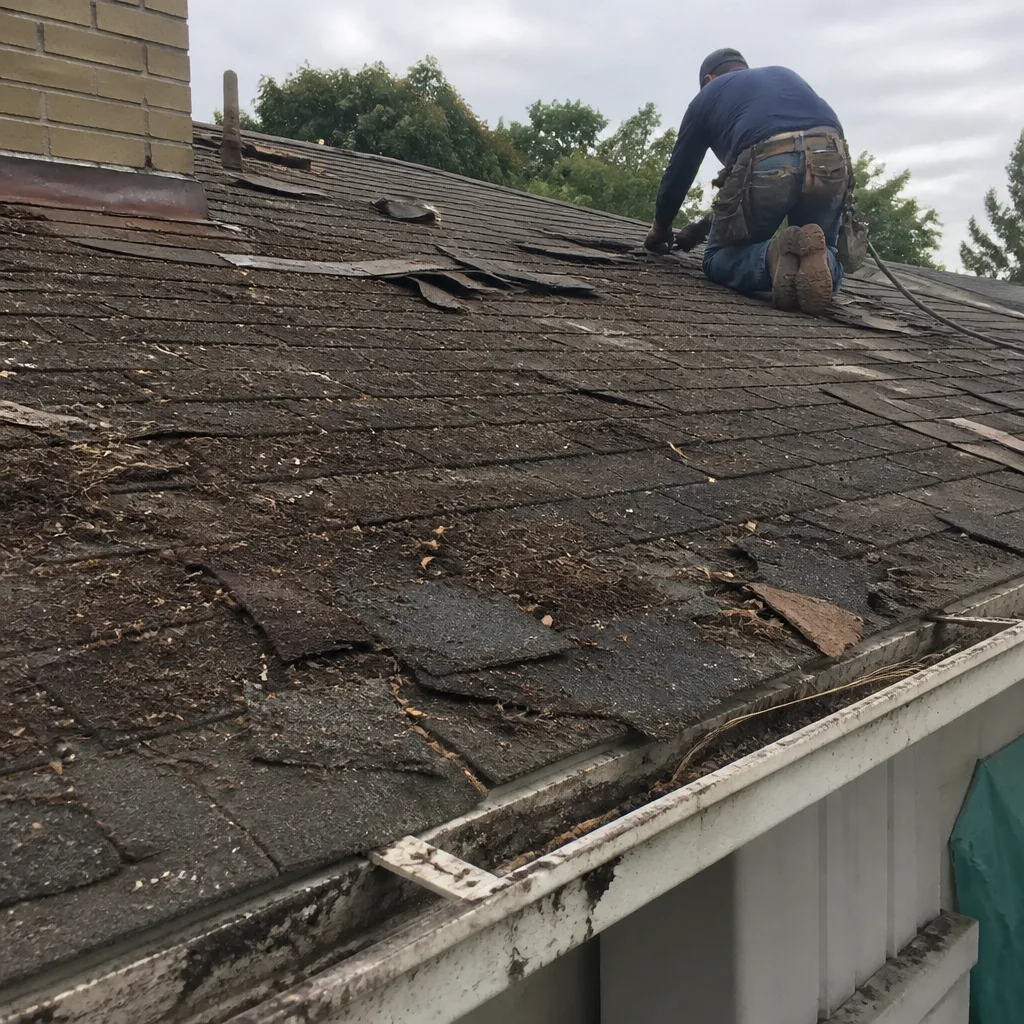 Before
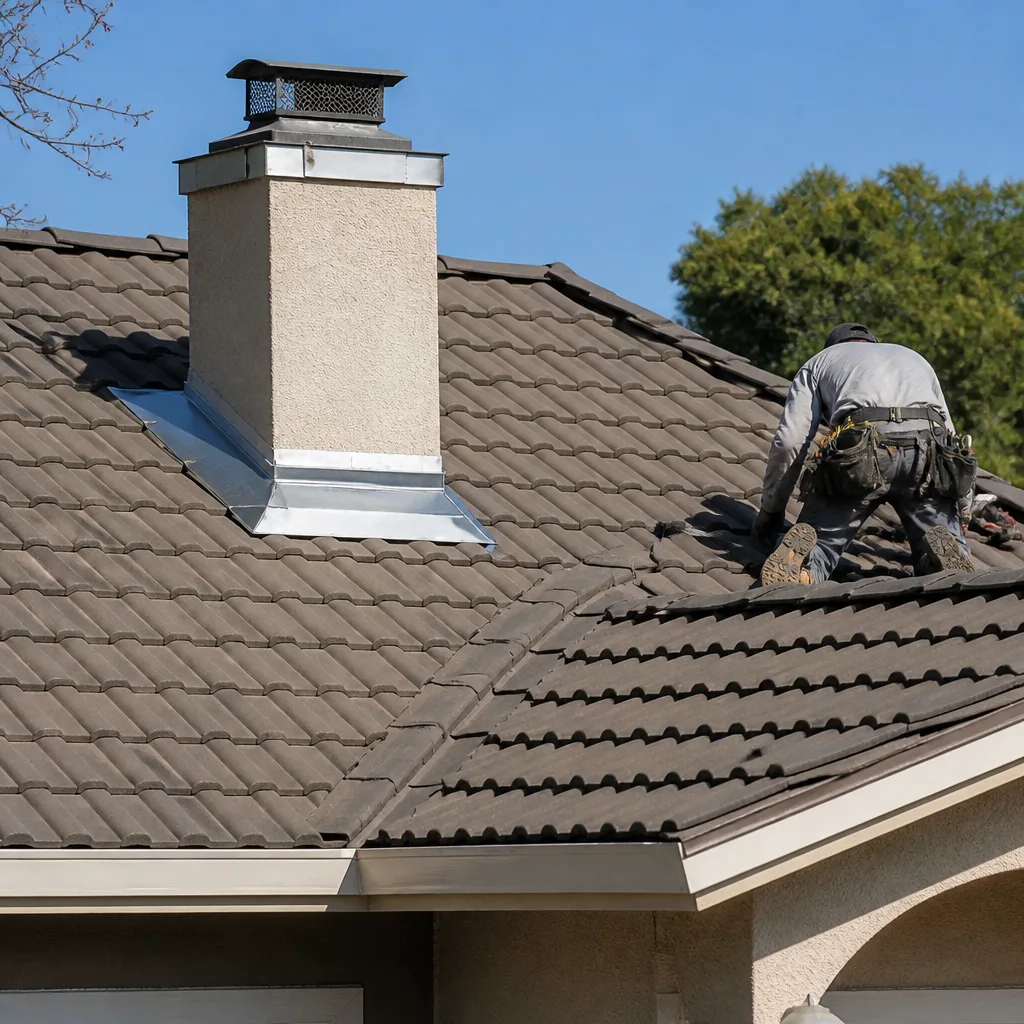 After
AfterReplacement Cost & What’s Included
Most Atlas flashing replacements in San Jose fall between $380 and $850. A simple pipe boot replacement starts around $380; a full chimney flashing rebuild with new step flashing, counter-flashing, and sealant runs $650 to $850. The range comes down to three things: how much flashing needs replacing, how steep the roof is, and whether we’re working around existing decking damage. Here’s the breakdown:
- Pipe boot flashing replacement: $380 to $480 installed
- Step flashing at a wall intersection (per 10-foot run): $450 to $600 installed
- Chimney flashing rebuild (flashing plus counter-flashing): $650 to $850 installed
- Skylight flashing replacement: $500 to $750 installed
Every price goes on paper before any work starts. That’s The Garrison Standard, and it doesn’t move at the door. The written price includes removal of the old flashing, new flashing matched to your Atlas system, sealing, and cleanup. The work is backed by our 365-Day Done Right Promise: in writing, for one full year, and we come back for free if it fails.
DIY or Call Us?
Flashing replacement on a roof is not a safe DIY job for most homeowners, and we’re not going to pretend otherwise. The work involves ladder access, working on a pitched surface, and in the case of chimney flashing, working at height with tools. Falls from roofs injure and kill capable people every year. If you want to check things yourself from the ground, use binoculars and look for the rust, lifting, and moss signs listed above. You can also check your attic on a dry day with a flashlight. What you shouldn’t do is climb up with a caulk gun and start sealing. Caulk covers a problem; it doesn’t fix it. And once you’ve caulked over a flashing joint, you’ve made the eventual proper repair more time-consuming. If you see signs of failing flashing on your Atlas roof, call us at (669) 238-2101. Tell me what you’re seeing and I’ll tell you what it actually means. We’ll give you a written estimate either way.
FAQs
Atlas flashing on a San Jose roof typically lasts 15 to 25 years, but homes within a few miles of the bay can see failures in 10 to 15 years because salt air accelerates metal corrosion. Galvanized steel lasts longer than aluminum in direct contact with concrete or mortar. The first thing that fails is almost always the sealant, not the metal. Call (669) 238-2101 and we’ll inspect your flashing at no charge.
In our experience, repair works only for very new flashing with an isolated seal failure. For flashing that’s more than 10 years old, or any flashing showing rust, a repair buys you a season at best. We don’t sell that. The honest recommendation is replacement, and our price goes on paper before any work starts.
Most flashing replacements take 2 to 4 hours on site. A chimney rebuild with full counter-flashing is the exception; that can run 4 to 6 hours. We protect the area around the work, clean up all debris, and walk you through what was done before we leave.
We stock standard Atlas-compatible flashing profiles and gauges on our trucks: pipe boots, step flashing, chimney flashing, and sealant. If your roof needs an unusual profile or a custom bend, we’ll source it and have it ready before your scheduled work date. No job starts without the right parts on hand.
Written by Travis Oakley, Owner, Brennan Roofing Co – San Jose, CA at Brennan Roofing Co San Jose, serving San Jose and nearby areas.