
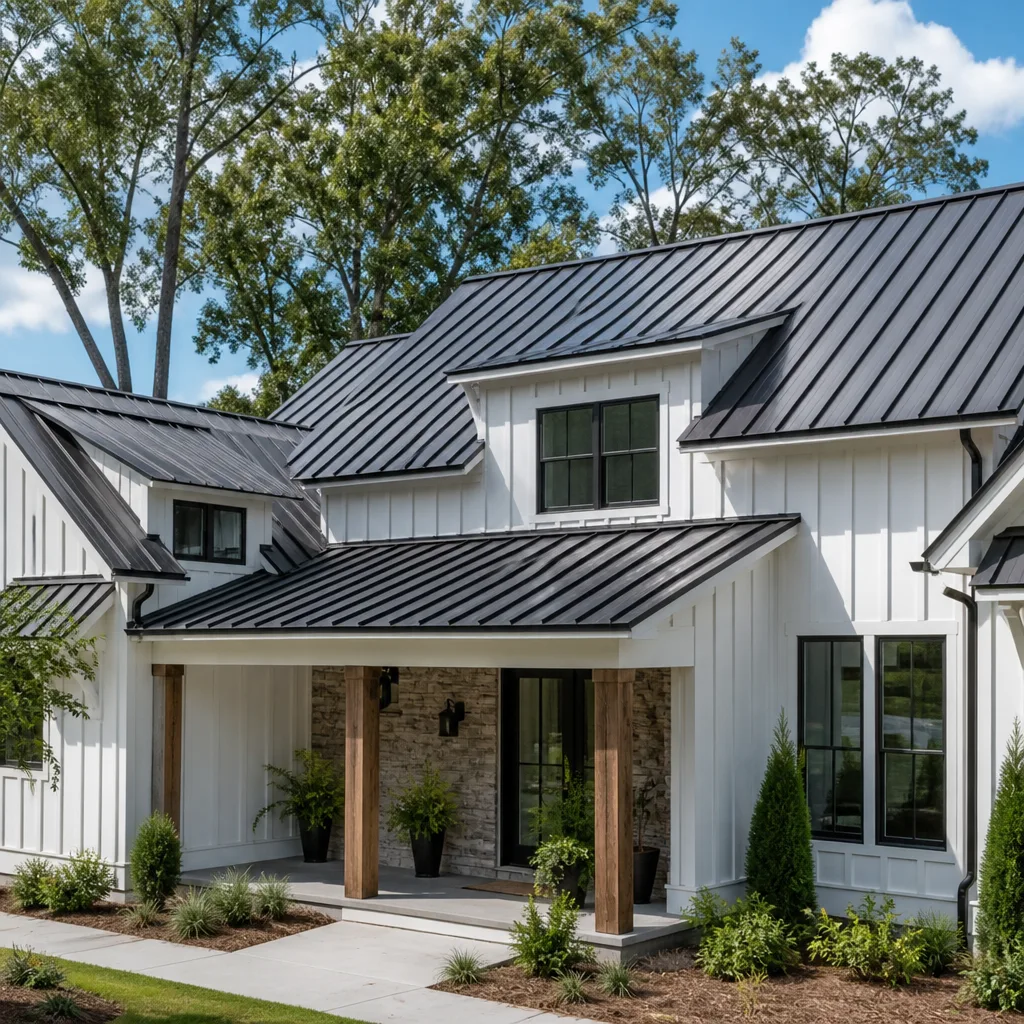
 Metal roofing
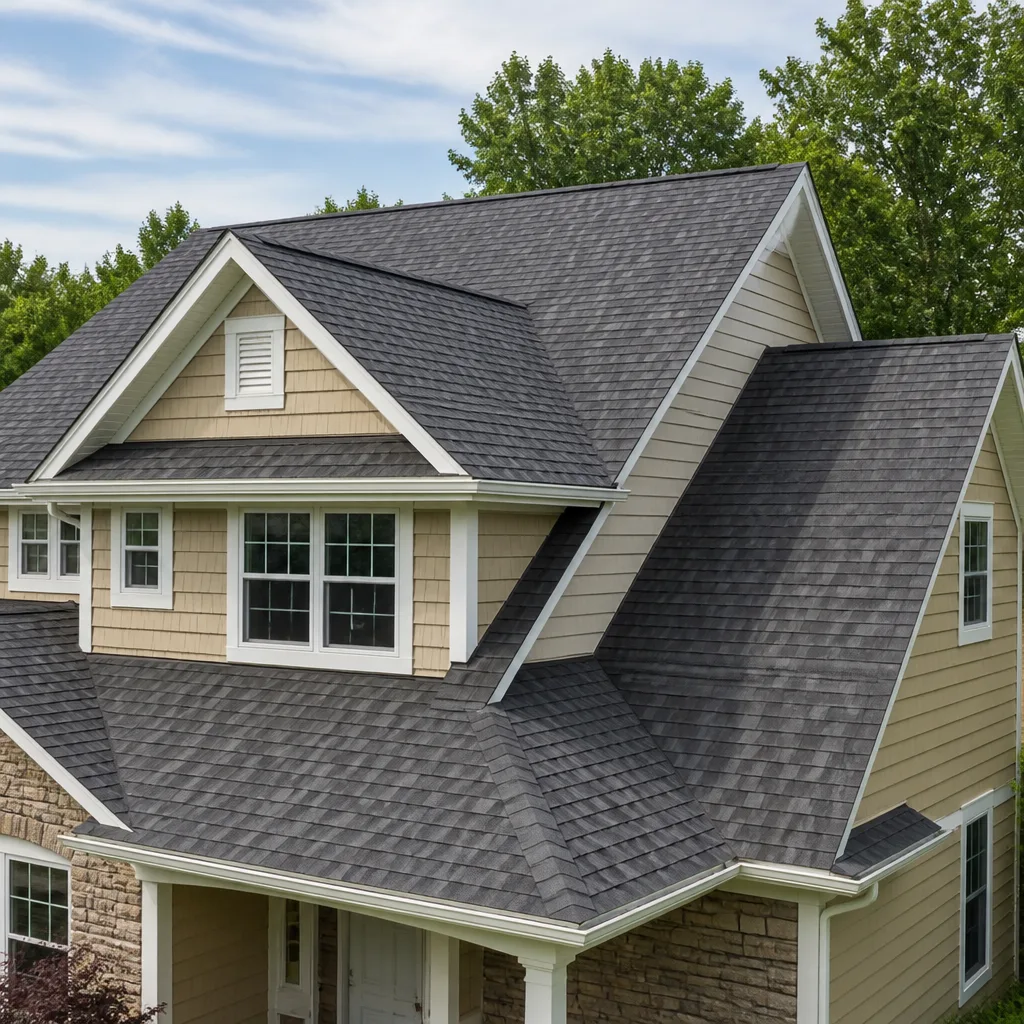 Architectural shingles
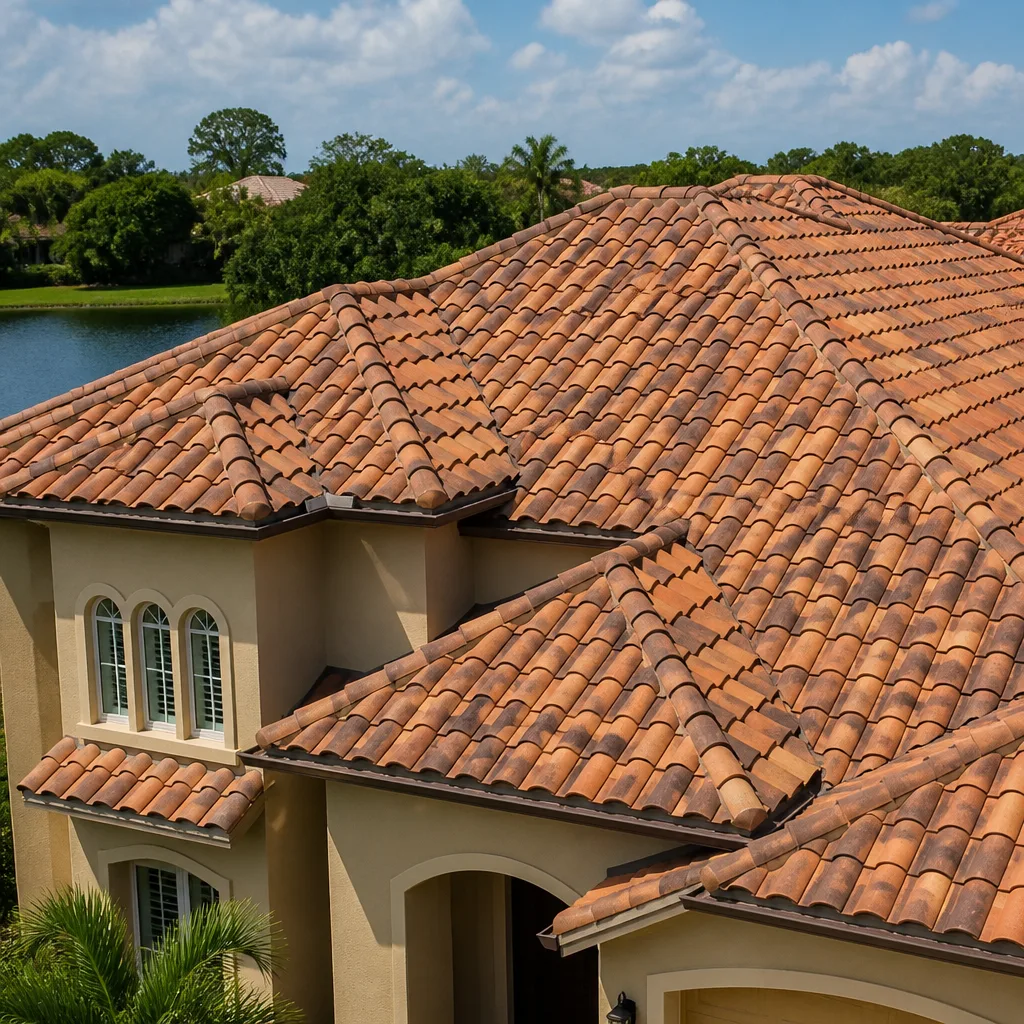 Tile roofing
 GAF
GAF Owens Corning
 Flat & low-slope
Free roof inspection with deck photos before we talk money - GAF and Owens Corning certified installation
Atlas Underlayment & Deck Repair: The San Jose Owner’s Guide
We stock and install Atlas-compatible underlayment and decking for San Jose homes, with most deck repair jobs running between $900 and $2,600 depending on how much sheathing has rotted and how many layers need to come off. We carry Atlas felt and synthetic underlayment on our trucks, and we can usually get the exact Atlas product your roofer originally installed within one business day. Most owners discover the problem the hard way: a leak shows up on the ceiling after a heavy rain, and the tear-off reveals decking that’s been quietly rotting underneath Atlas underlayment that wore through years ago. Tell me what you’re seeing and I’ll tell you what it actually means.
One thing worth saying up front: Brennan Roofing Co San Jose is an independent roofing contractor. We install Atlas materials because they hold up well in the South Bay climate, but we’re not owned by or affiliated with Atlas Roofing Corporation. That matters when you’re weighing a repair decision, because we’ll tell you the truth about what failed and why, not what protects a manufacturer relationship.
Which Atlas Models This Applies To
If your San Jose roof has Atlas shingles, the underlayment beneath them is almost always one of two Atlas products: Atlas Summit 60, a synthetic underlayment with a fiberglass scrim, or Atlas WeatherMaster, a #30 asphalt-saturated felt. These aren’t tied to a specific shingle line, so whether you have Atlas Pinnacle Pristine, StormMaster Slate, or GlassMaster, the underlayment spec is the same. What changes is the decking situation underneath.
The compatibility gotcha most homeowners don’t know: Atlas synthetic underlayment requires cap nails or capped staples with a specific pattern, not roofing nails. We’ve torn off San Jose roofs where the previous crew nailed synthetic underlayment with smooth-shank roofing nails every two feet, and the underlayment tore like tissue paper at the first wind event. If you’re pulling up Atlas underlayment and see nail heads popping through with rust rings, that’s the story of your failure.
On the decking side, Atlas doesn’t manufacture plywood or OSB, so “Atlas deck repair” really means repairing the decking that sits under an Atlas roof system: typically 1/2-inch or 5/8-inch CDX plywood in older San Jose homes, or OSB in builds from the mid-1990s onward. We match the thickness and type to what’s already there, not what’s easiest to source.
Styles & brands we work with
Signs Your Atlas Underlayment or Decking Is Failing
Here’s what we see on San Jose roofs when this repair becomes necessary, along with what’s actually happening under the shingles:
- Ceiling stains or drips after rain, especially near eaves or valleys. This usually means the underlayment has worn through at a seam or the decking has softened and pulled fasteners loose. Water is getting past the shingle layer, which means the secondary barrier already failed.
- Shingles lifting or flapping at the edges, with granule loss in the gutter. The underlayment isn’t holding anymore. On older Atlas felt installs in San Jose, UV exposure at the eaves breaks down the felt and the shingles lose their grip.
- Soft spots or spongy feel when walking the roof. Rotted decking. The underlayment did its job for a while, but once a small breach starts, moisture gets trapped between the shingles and the plywood and doesn’t dry out in humid San Jose winters.
- Visible rust rings or popped nails in the attic. Moisture has been condensing against the decking and fasteners. This tells us the underlayment isn’t breathing or it’s been compromised for months, not days.
- Mold or mildew smell in the attic after rain. The decking is wet and staying wet. Even if you can’t see a leak yet, the sheathing is absorbing water and breaking down.
See the difference
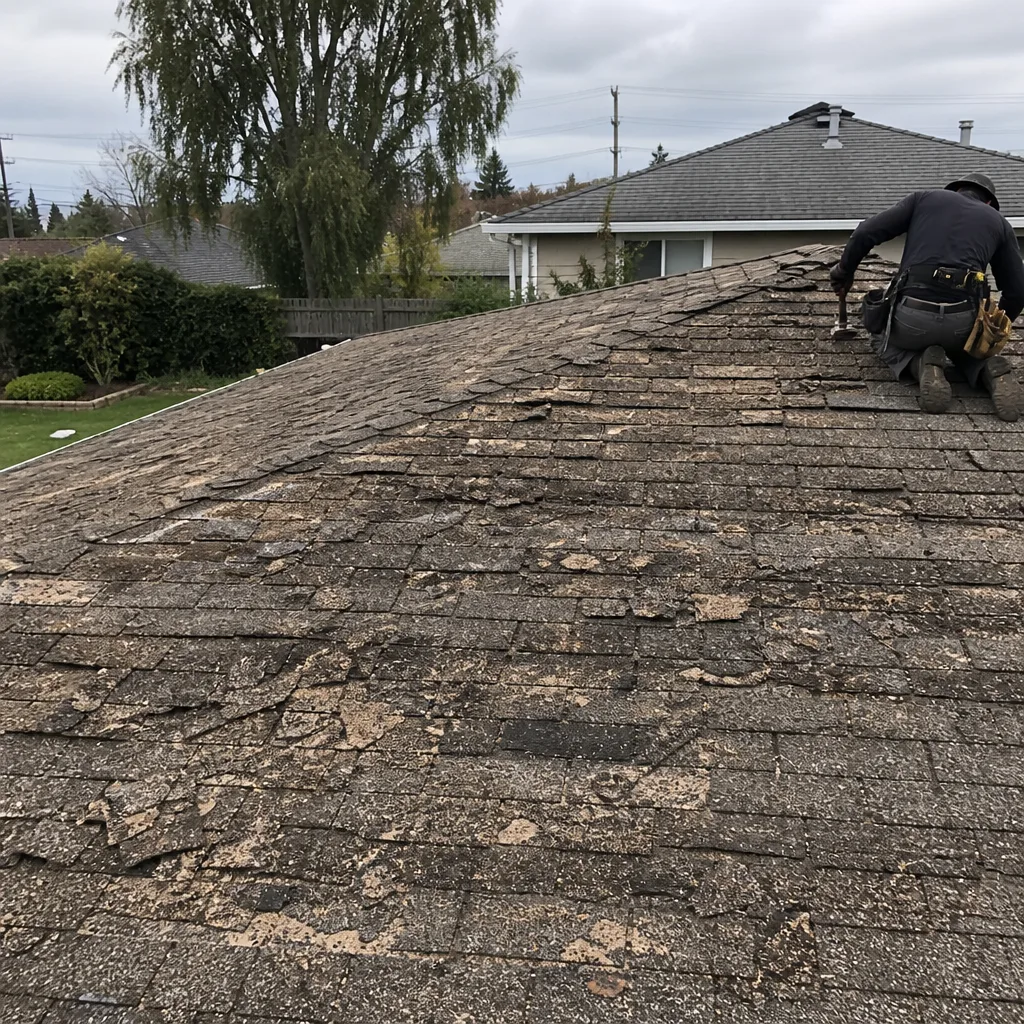 Before
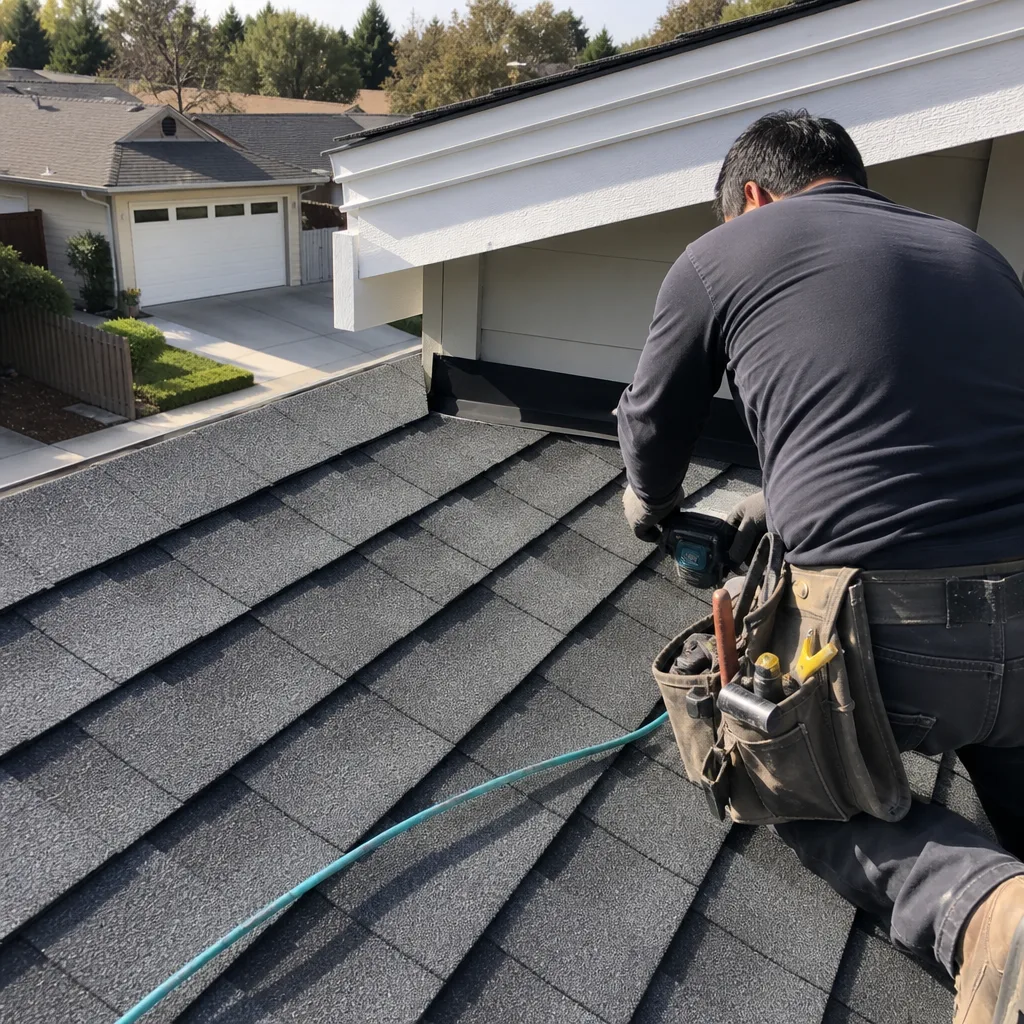 After
After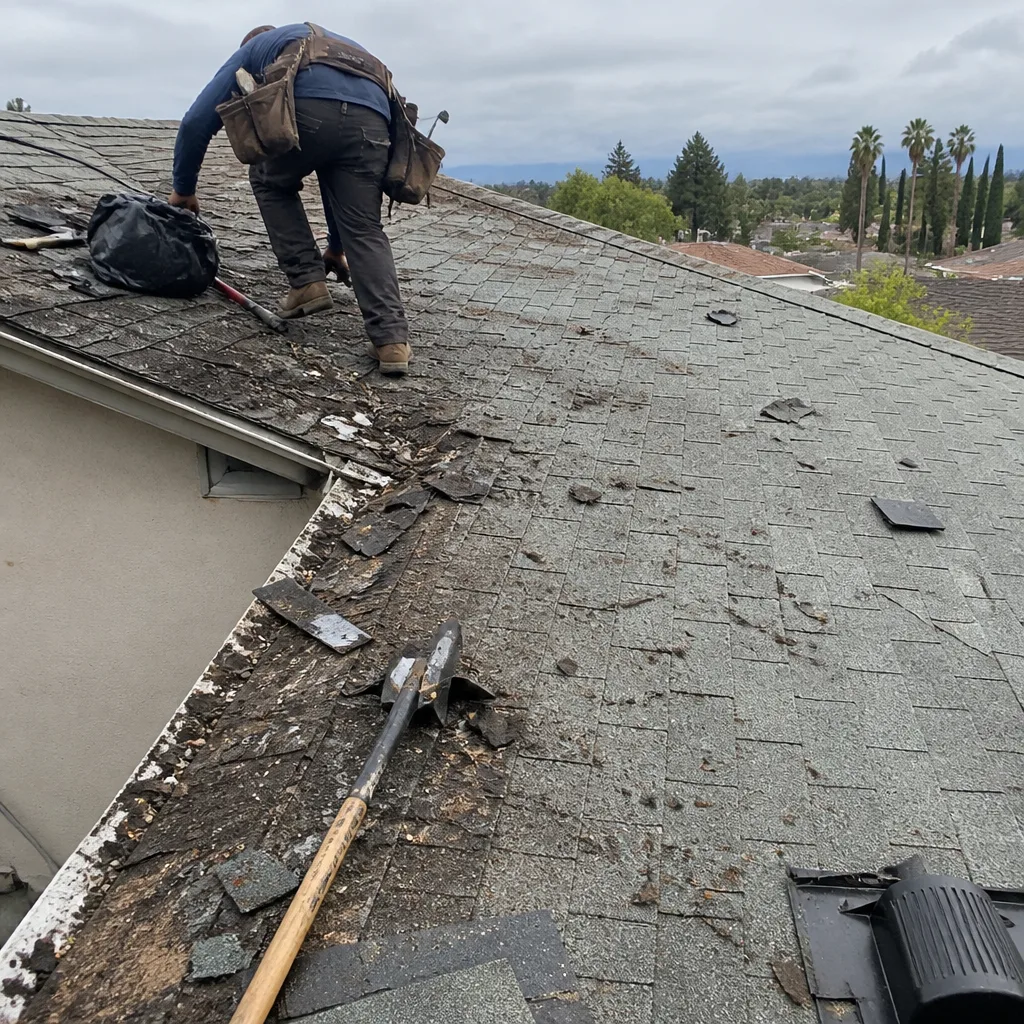 Before
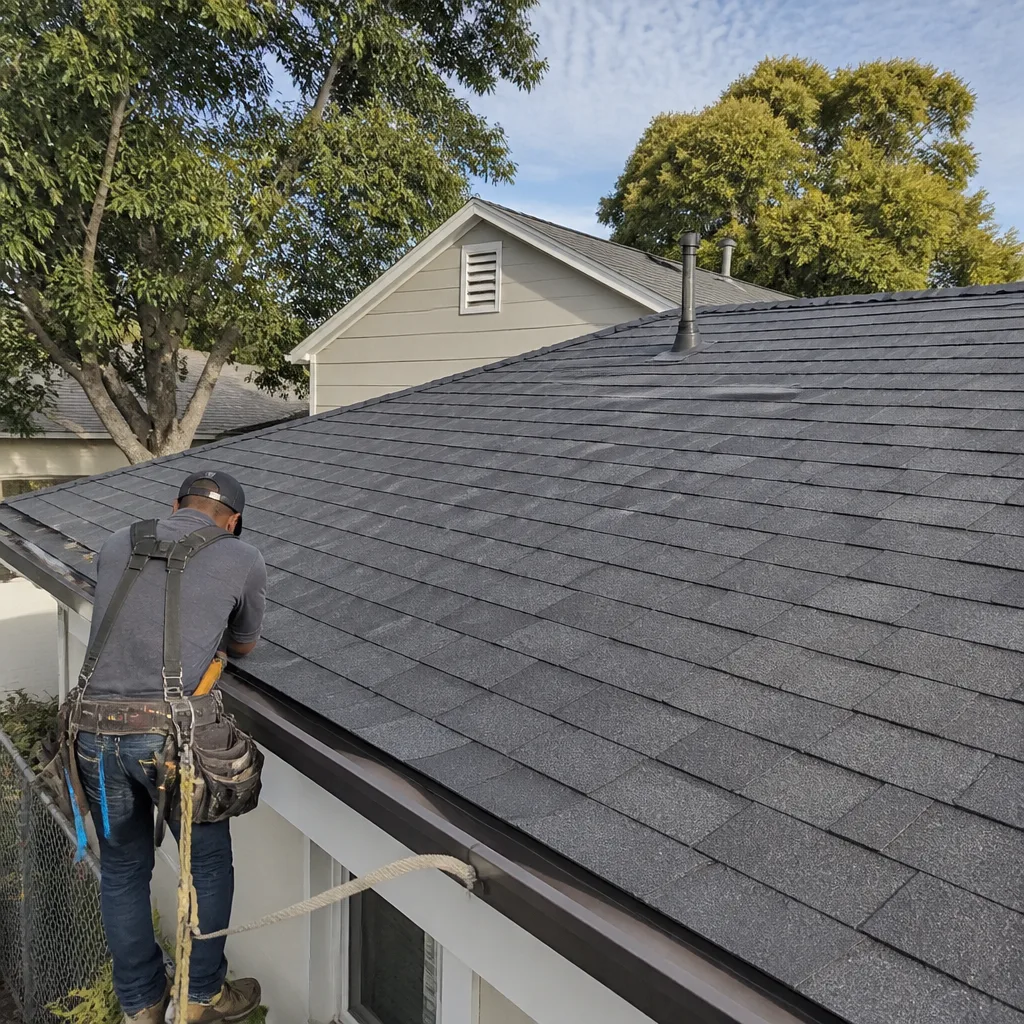 After
After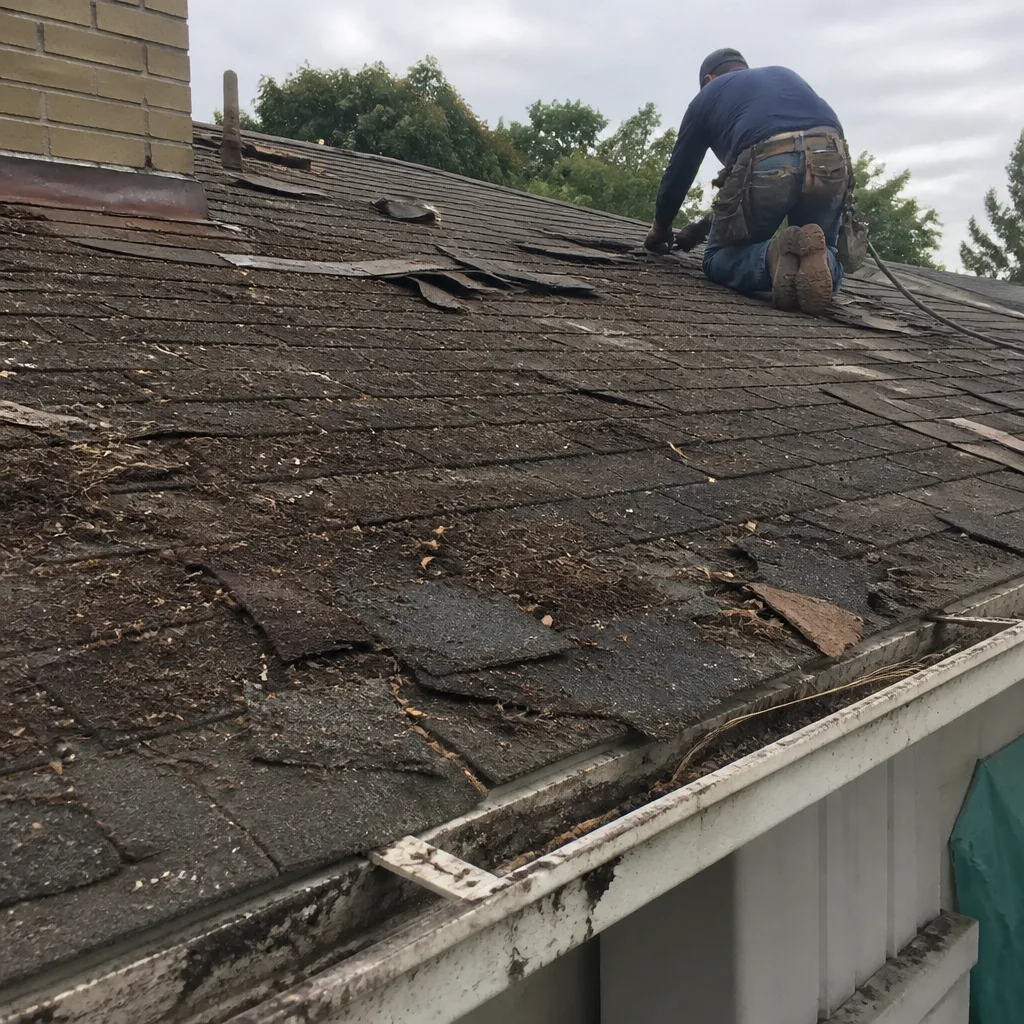 Before
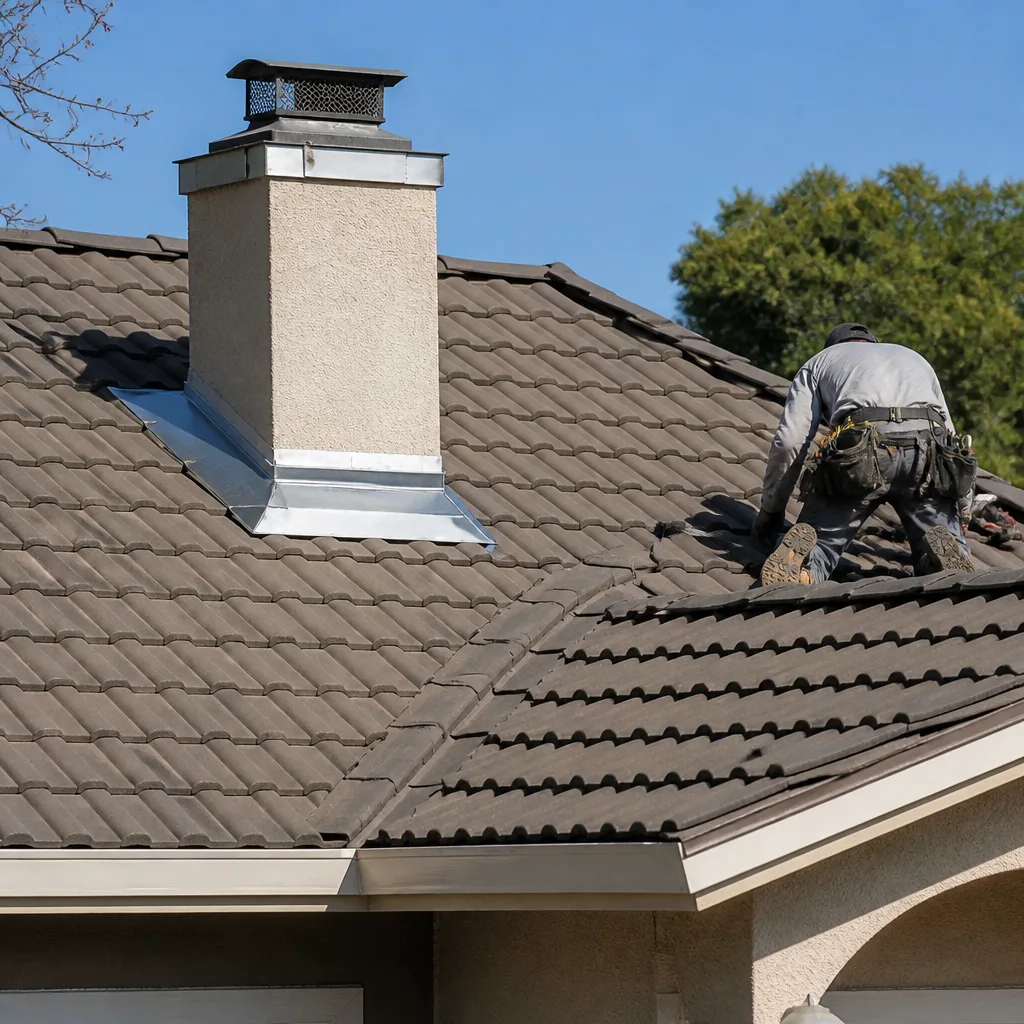 After
AfterReplacement Cost & What’s Included
In San Jose, Atlas underlayment and deck repair on a typical 1,500 to 2,500 square foot roof runs $900 to $2,600 installed. The spread comes down to three things: how many sheets of decking need to be replaced (we see anywhere from two to twenty), whether the tear-off is one layer or two, and whether the damaged section is on a steep pitch that requires staging.
Here’s the line-item breakdown so you know exactly where your money goes:
- Tear-off and disposal: $220 to $480, depending on area and layers.
- Decking replacement (per 4×8 sheet installed): $85 to $135 for CDX plywood, $75 to $110 for OSB.
- Atlas underlayment (material only): $18 to $22 per 100 square feet for Summit 60 synthetic, $12 to $15 per 100 square feet for WeatherMaster felt.
- Underlayment installation labor: $40 to $65 per 100 square feet for synthetic, $30 to $50 for felt.
- Fasteners, drip edge replacement, flashing touch-up: $60 to $180 depending on what we find.
Every estimate from Brennan Roofing Co San Jose comes in writing before any work starts. The price on that paper does not move at the door. Our 365-Day Done Right Promise covers every repair in writing for one full year, and if the repair fails within that period, we return and fix it at no charge. No callbacks, no second invoice.
DIY or Call Us?
You can check a few things from the ground or attic yourself: look for daylight coming through the decking in the attic, check for soft spots by pressing a broom handle against the underside of the sheathing, and note where stains line up with valleys or plumbing vents. That gives you information, not a fix.
This is not a ladder-and-caulk situation. Replacing underlayment means tearing shingles off, cutting out rotted decking, handling a nail gun on a roof pitch, and installing the new barrier with the right fasteners and overlap before re-installing shingles. One wrong step on the overlap direction and you’ve created a leak that’s worse than the original. We’re seeing this exact failure on San Jose roofs where a handyman “fixed” a section for $400 and it leaked worse two months later. If you’re ready to get a real number for your roof, call (669) 238-2101. We’ll get you a written price before any work begins.
FAQs
Atlas synthetic underlayment like Summit 60 can last 20 to 30 years installed correctly, but the felt product, WeatherMaster, realistically lasts 15 to 20 years before it starts losing its waterproofing. San Jose’s mix of dry heat in summer and damp winters accelerates felt breakdown compared to drier inland climates. If you’re near 20 years on a felt install, plan for replacement, not patchwork. Call (669) 238-2101 and we’ll assess what’s on your roof right now.
Sometimes, but only if the damage is limited to one seam or a single small breach and the decking underneath is dry and solid. If the decking is soft or the underlayment is failing in multiple spots, a patch just gives water another path in. We’ll tell you which situation you’re in and price it accordingly. Estimates are free at (669) 238-2101.
Most repairs on San Jose homes take one full day for the tear-off, decking replacement, underlayment install, and re-shingling. If we find more rot than expected once the shingles come off, we’ll show you photos, show you the wet wood, and give you a written change order before we proceed. Nothing happens without your sign-off and a number on paper.
Yes. We carry Atlas Summit 60 synthetic and WeatherMaster felt on our trucks, along with matching cap nails and the correct fasteners for each product. We also stock decking in 1/2-inch and 5/8-inch CDX and OSB, so most San Jose repairs happen same-day without waiting on supply runs. We also install parts for GAF, Owens Corning, and CertainTeed systems if your roof turns out to be a different brand than you thought. Call (669) 238-2101 and we’ll confirm what you’ve got before we arrive.
Written by Travis Oakley, Owner, Brennan Roofing Co San Jose, serving San Jose and nearby areas.